
A Month Down Under: Australia Part 1
Happy New Year! After a relaxing ten-day break at home in Maryland, we set out on our longest journey yet: a 55-hour trek to the land down under. After a train from DC to Newark, an overnight at the airport hotel, a 19-hour flight to Singapore (where we rang in the New Year), an 8-hour layover, and a final 9-hour flight, we finally made it to Australia. We’re spending nearly a month here, starting in Sydney before making our way to Perth, Melbourne, and the Great Ocean Road. Since there’s a lot to cover, I’m splitting this recap into two parts: Sydney and Perth here, with Melbourne and the Great Ocean Road coming next.
It’s our first time in Australia, and my initial impression was that it feels like a parallel-universe version of the U.S. The land stretches wide and green, the roads are broad, the infrastructure is modern, and even the supermarkets feel oddly familiar. There’s a slight California flavor to it - people are relaxed and friendly, the beaches are incredible, and there’s a strong emphasis on health and fitness (apparently a lot of people get up early to run along the harbor or beach at sunrise, though I‘ve never been awake early enough to confirm). Of course, there are constant reminders that we’re not in the U.S.: the fun accents and quirky vocabulary (a “chemist” instead of a pharmacy, a “toastie” instead of a panini), and the fact that everyone drives on the opposite side of the road. Still, Australia already feels surprisingly like home.
Sydney
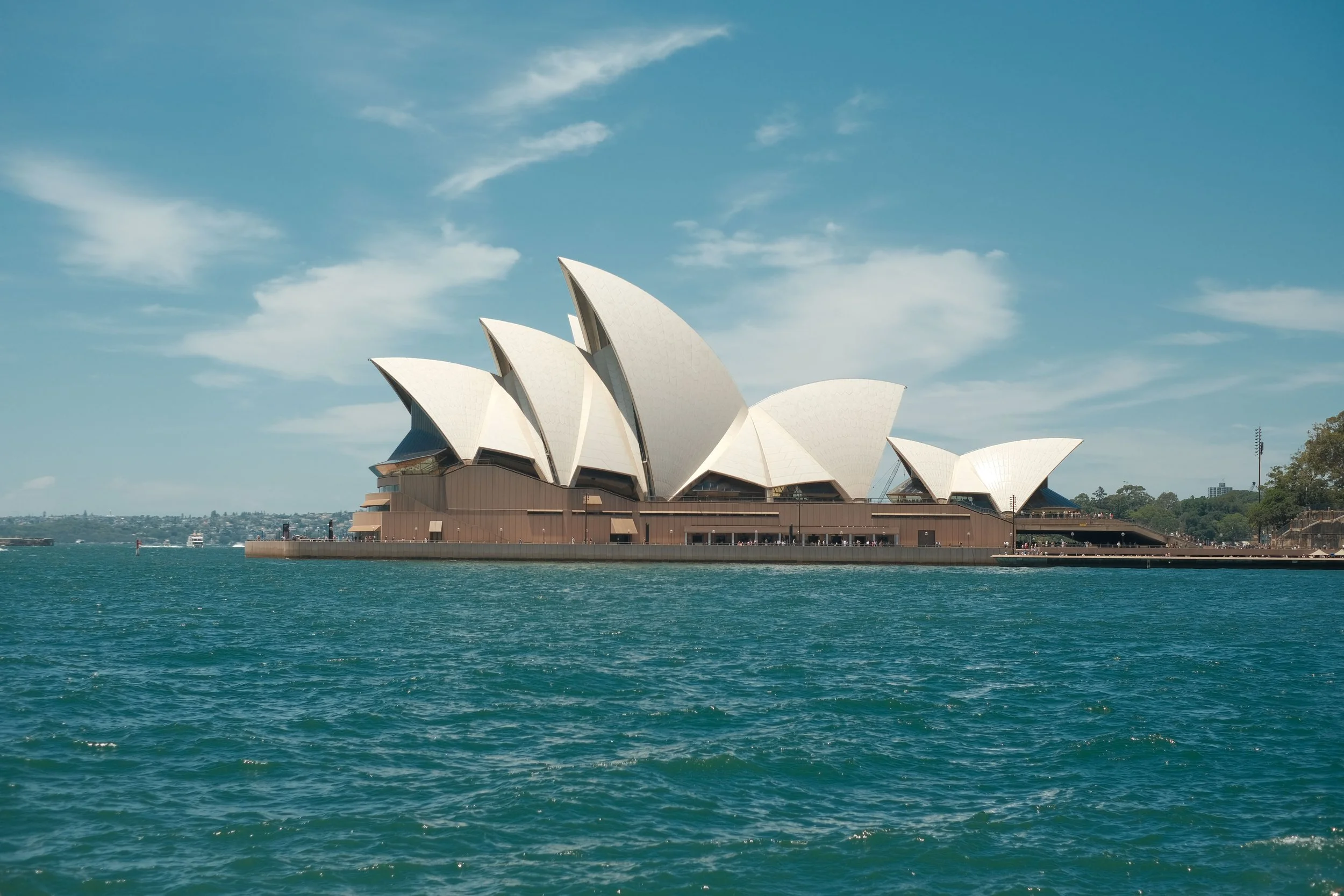
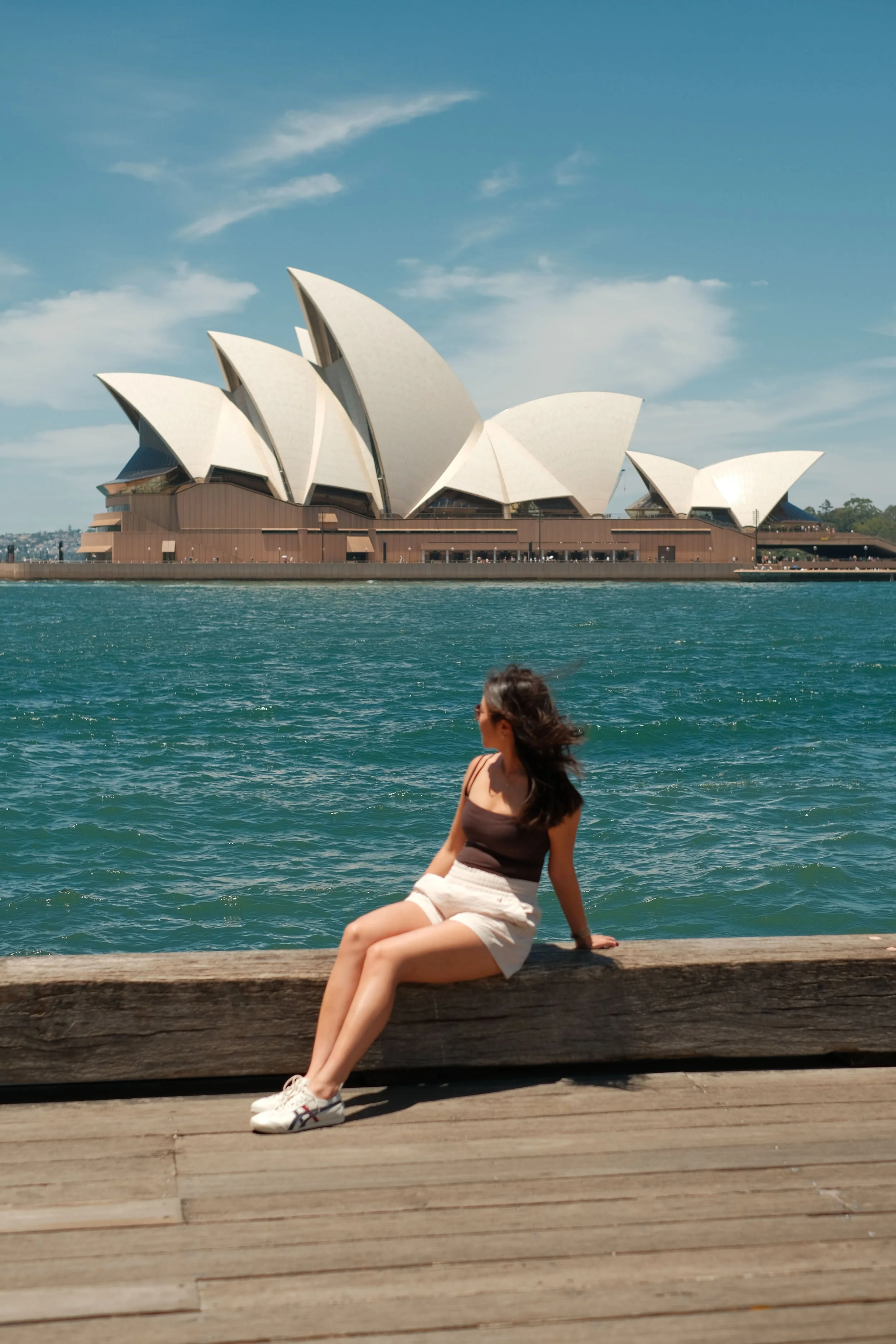
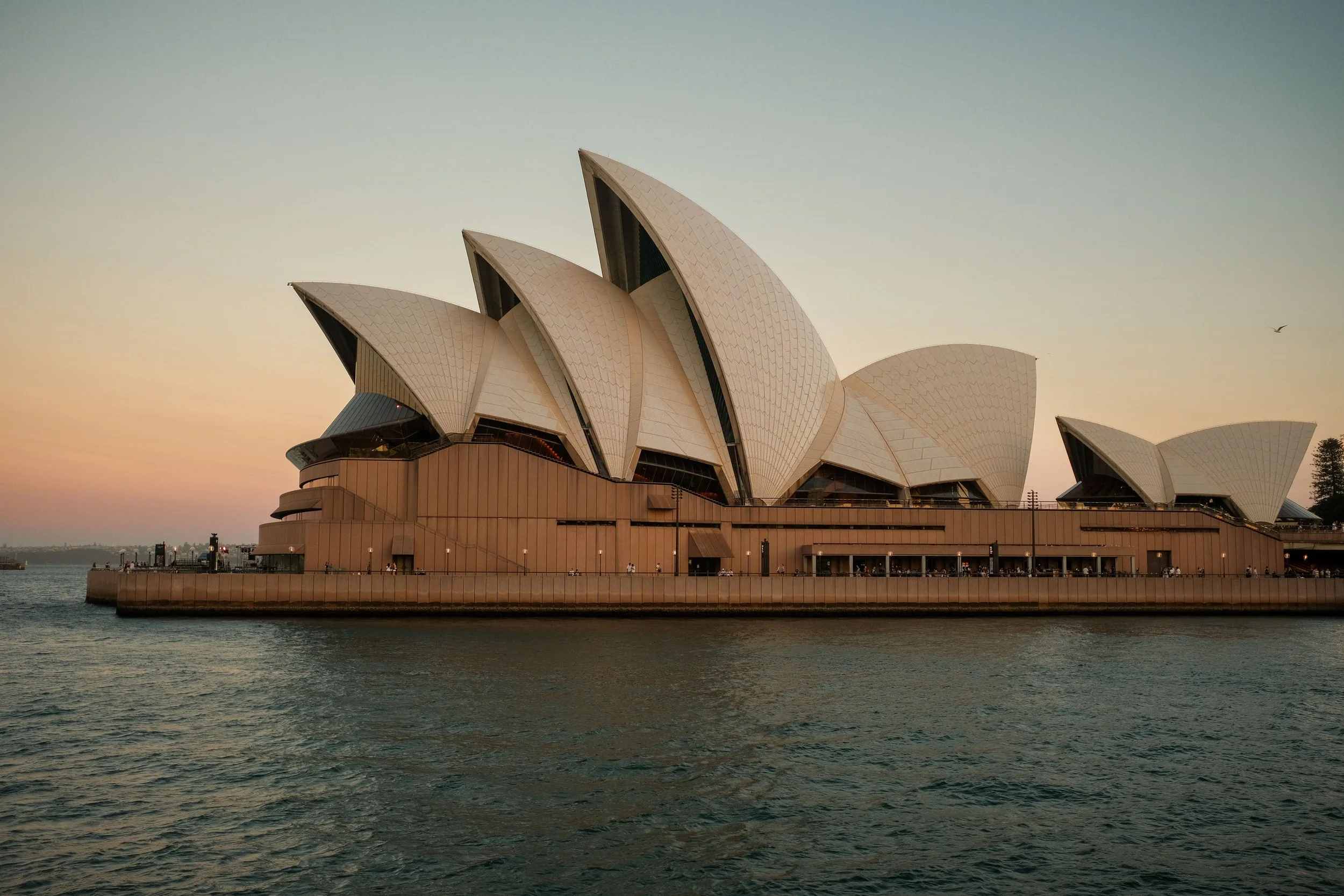
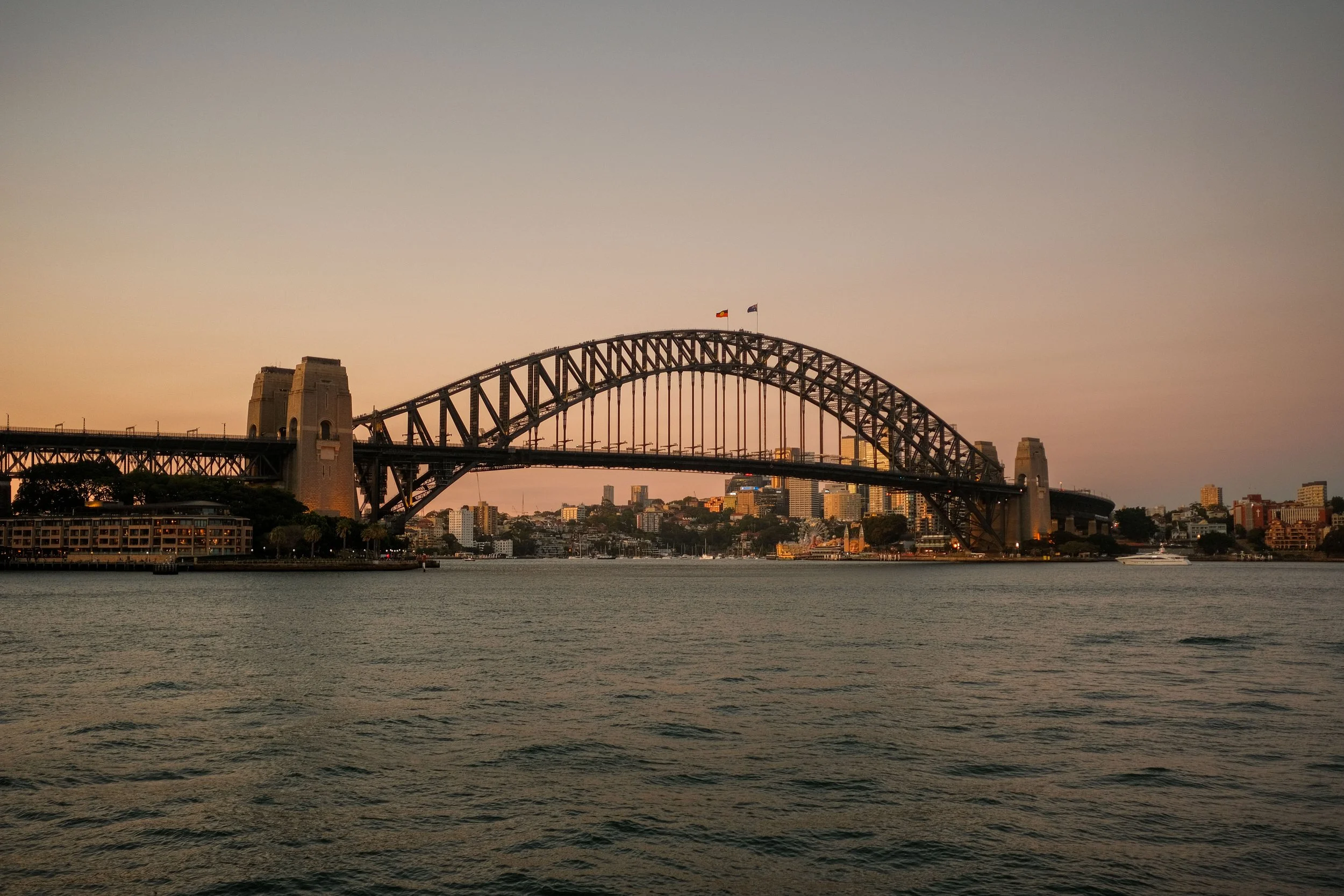
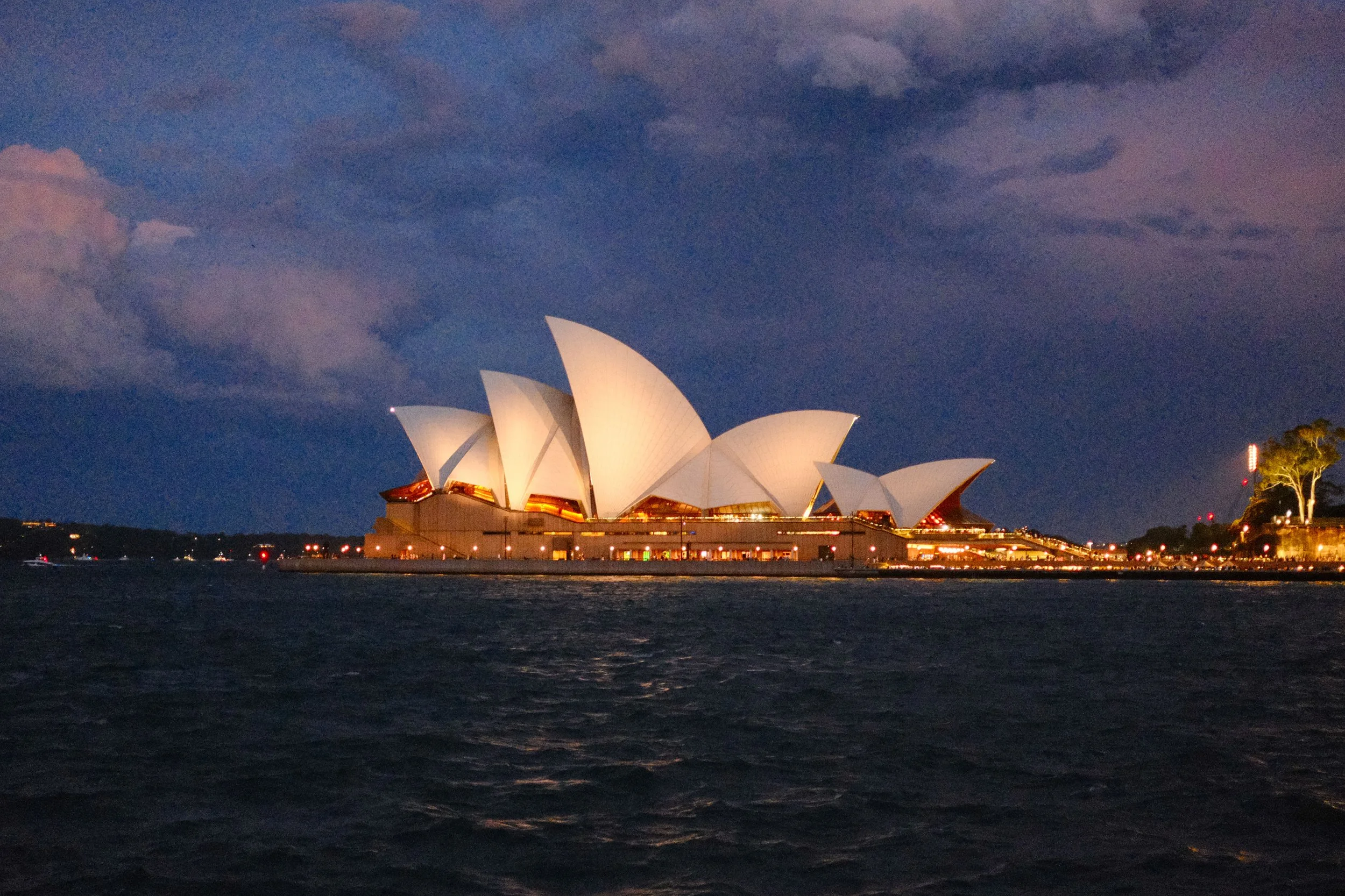
Every major city seems to have its defining landmark, and in Sydney, it doesn’t get more iconic than the Opera House. Using hotel points, we treated ourselves to two nights at the Park Hyatt, perched right on the edge of Sydney Harbour and perfectly situated between the Opera House and the Harbour Bridge. Naturally, our first stop after checking in was the pier to see the Opera House up close. It was even more striking in person than I’d imagined, with its white, sail-like shells gleaming in the sun. We passed by it countless times over the week and the view never got old.
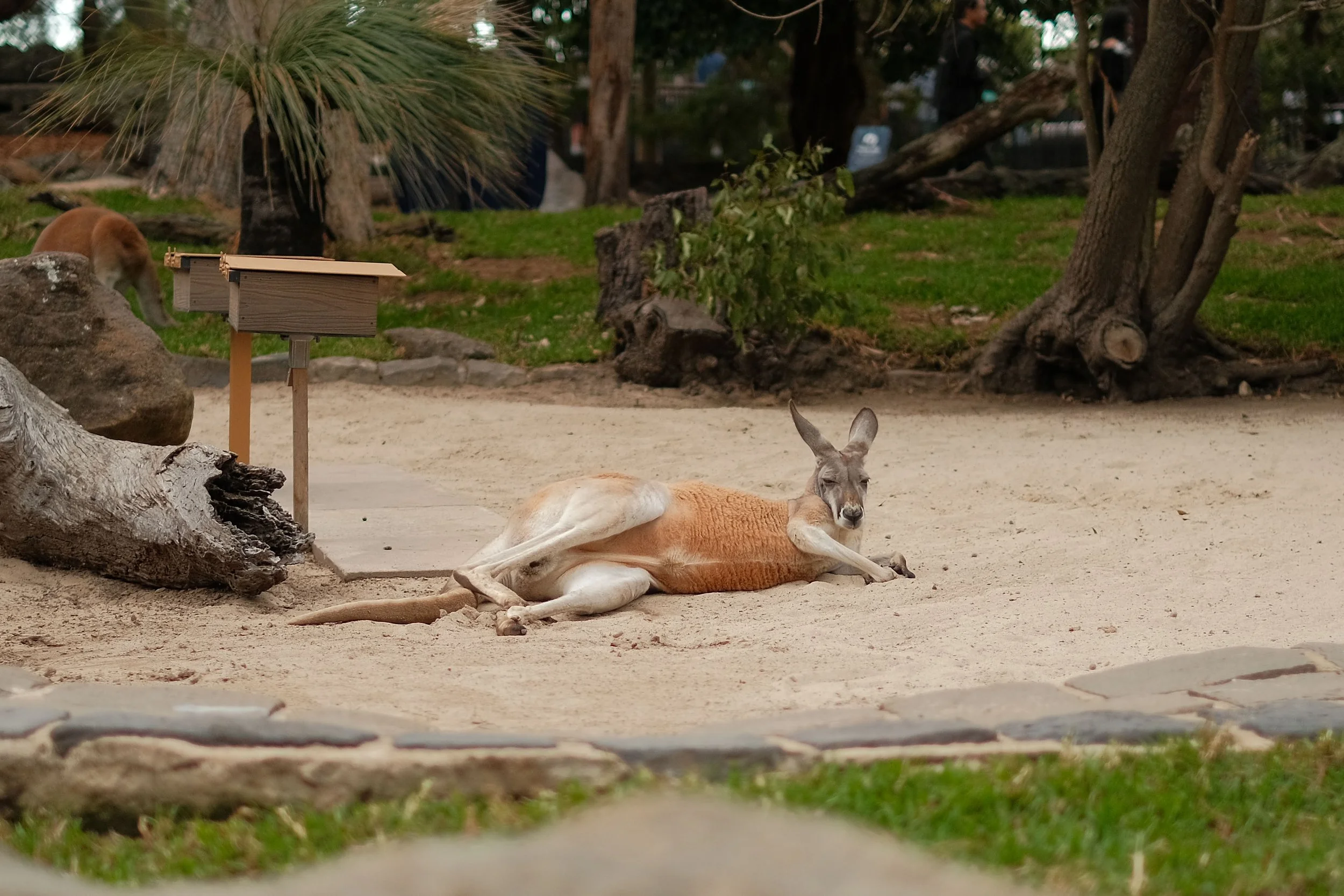
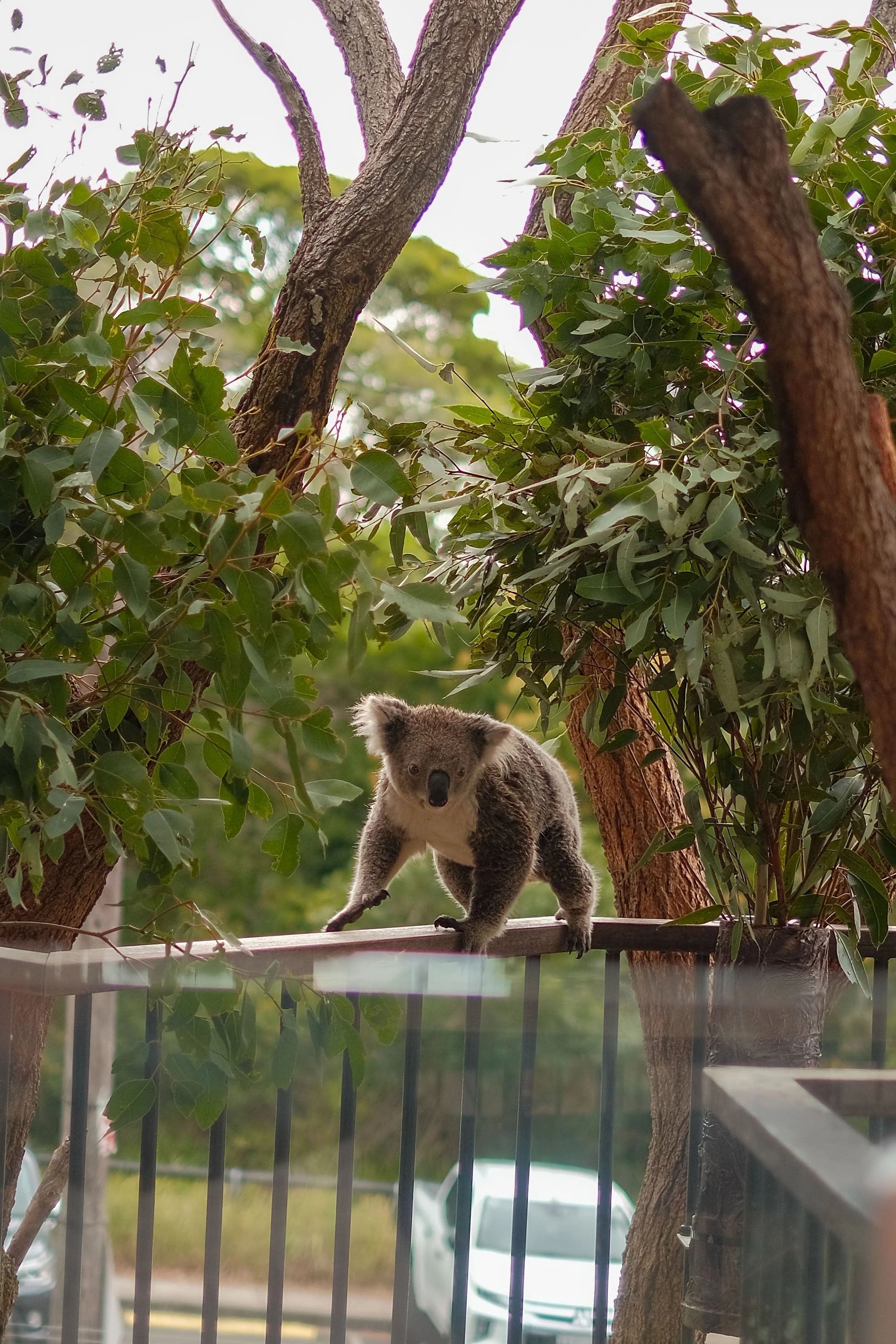
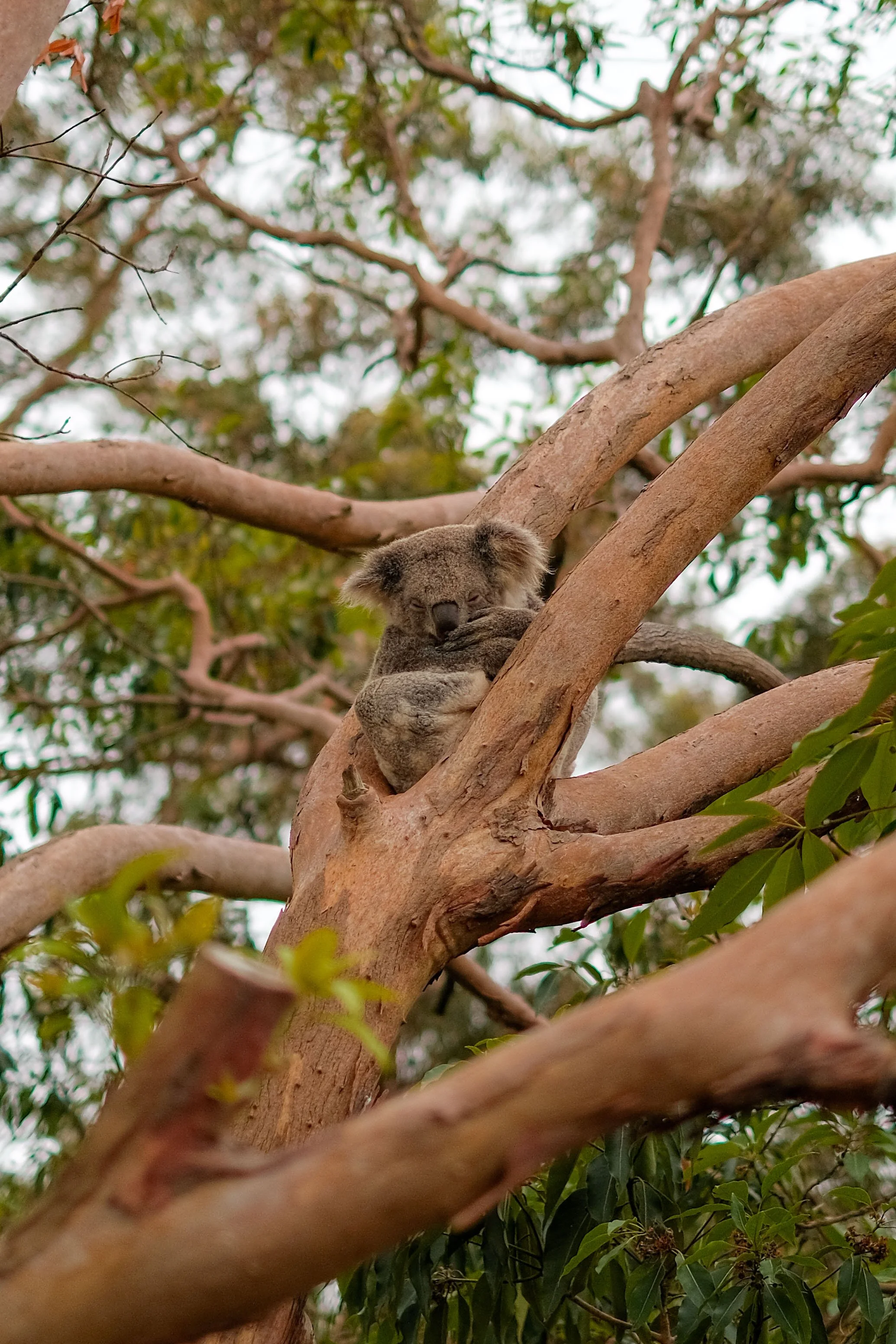
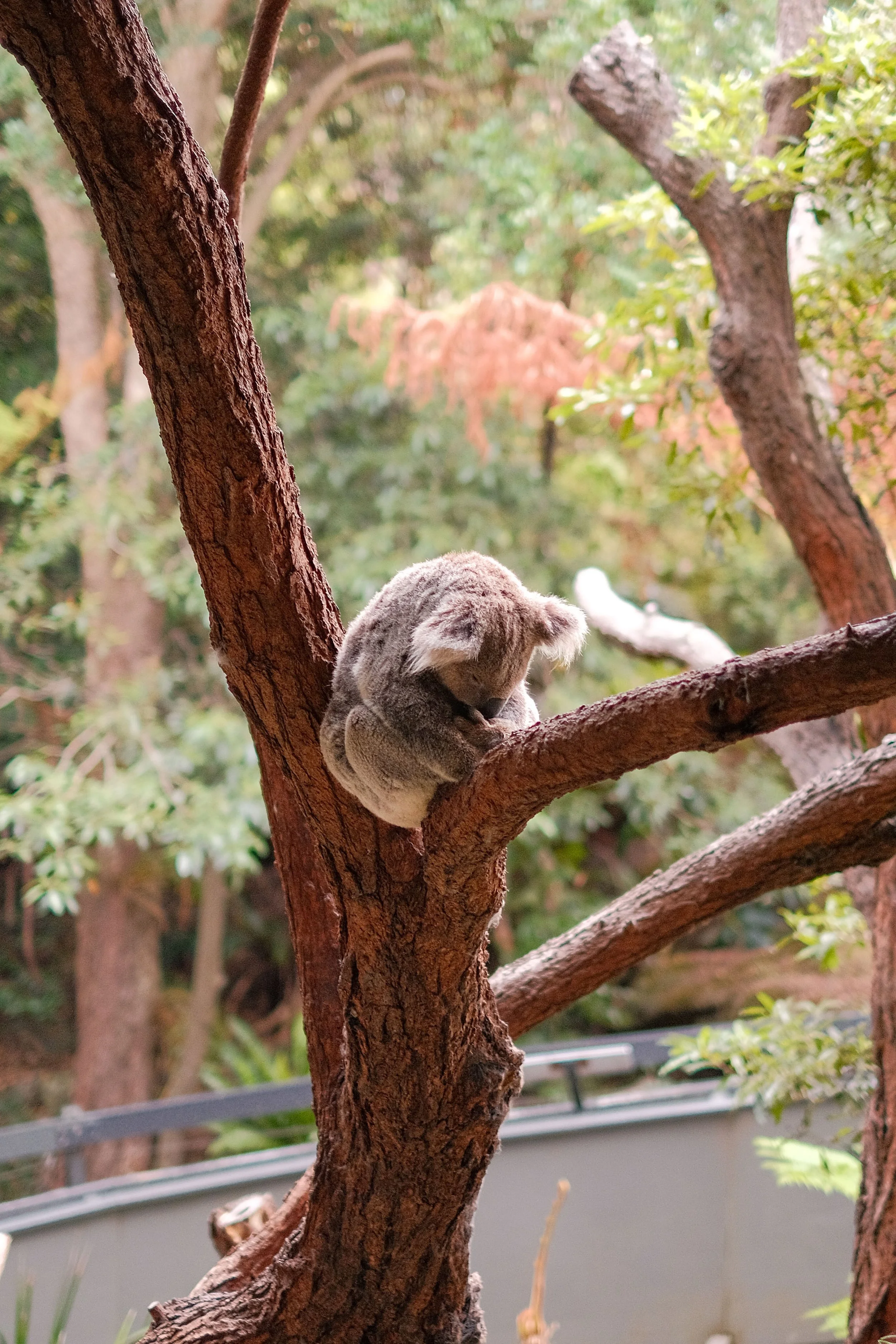
A major theme of our time in Sydney (and Australia more broadly) was experiencing the country’s incredible wildlife. At the Australian Museum in downtown Sydney, we learned why Australia’s animals are so unique: the landmass broke away from the supercontinent Gondwana around 45–50 million years ago, allowing plants and animals, especially marsupials, to evolve in relative isolation. After hours wandering through exhibits filled with fossils and taxidermied animals, we took a short ferry ride across Sydney Harbour the next day to Taronga Zoo to see the wildlife in real life. While the zoo is home to species from around the world, the Australian wildlife section was the clear highlight. We spotted several varieties of kangaroos, emus, a Tasmanian devil, and platypuses, but my favorites were the koalas. Adorably round and fluffy, a few were awake and lazily munching on eucalyptus leaves, while most were fast asleep in the trees - unsurprising, given that they sleep an impressive 18–22 hours a day. What a life.
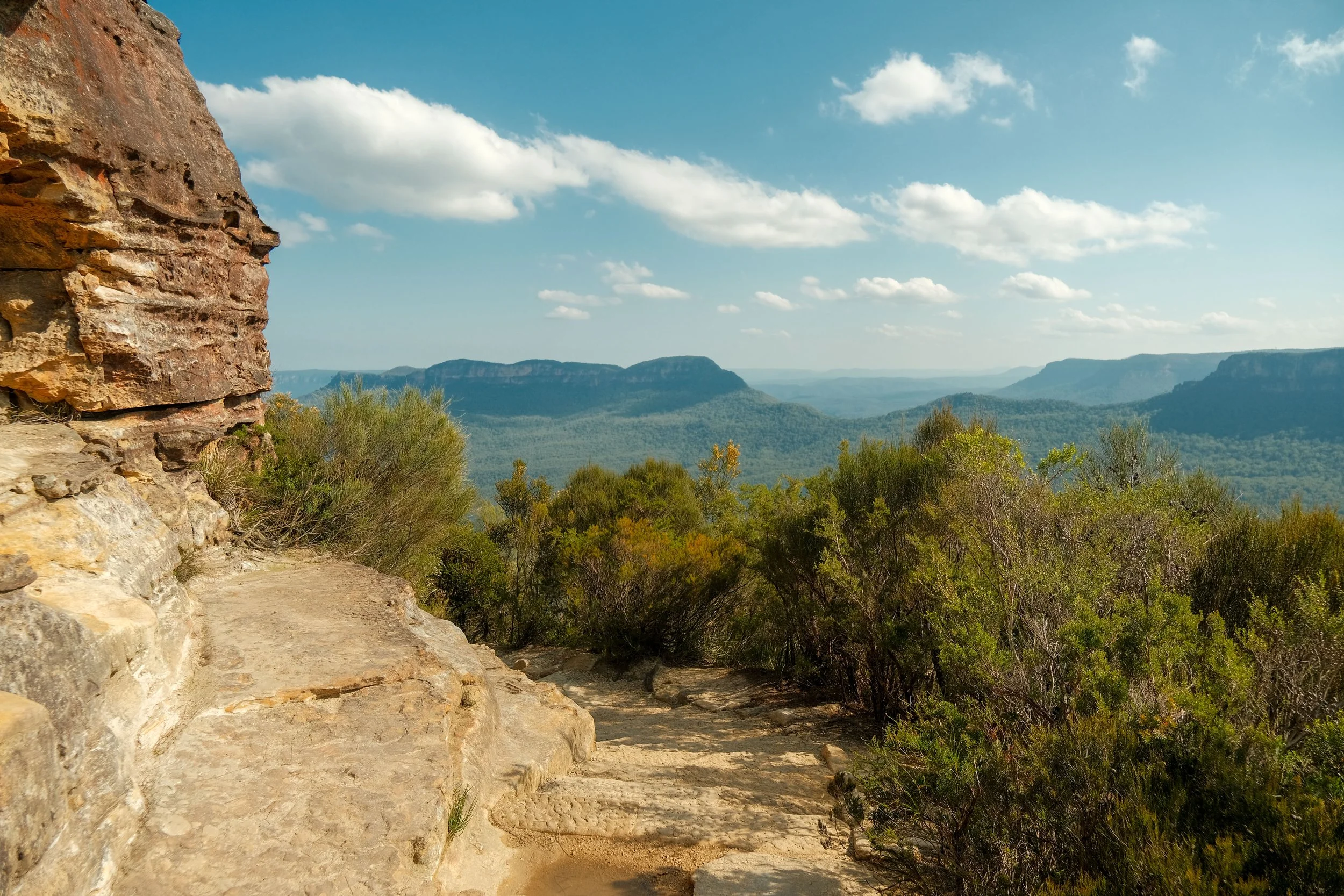
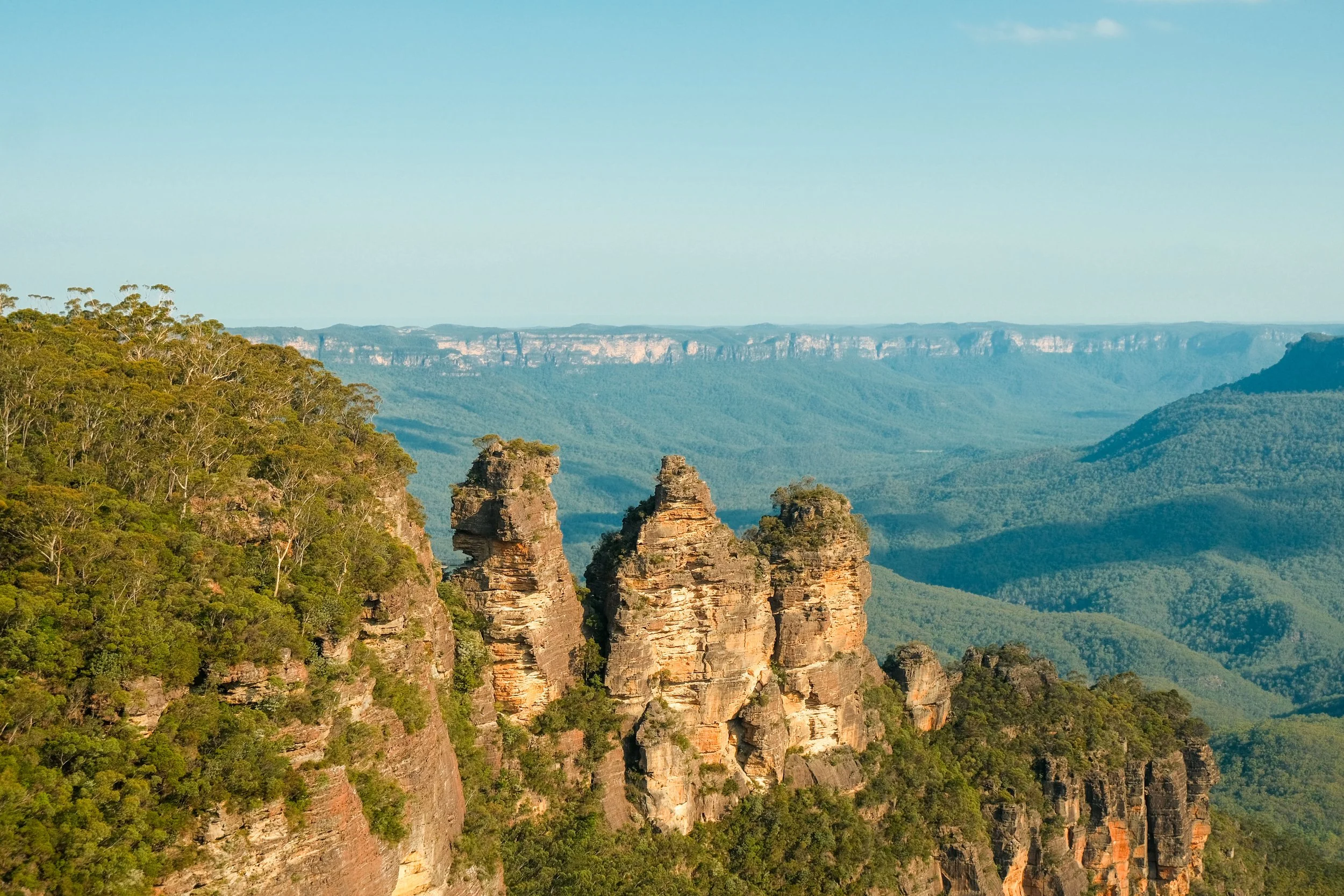
Later that week, we took a day trip to the Blue Mountains, a mountainous region and national park about 90 minutes west of Sydney. We hopped on a commuter train to the charming town of Katoomba. Public transportation in Sydney has been a breeze, thanks to an extensive network of trains, light rail, buses, and ferries that all allow you to tap on and off with Apple Pay. Once in Katoomba, we headed to Scenic World, a popular attraction offering dramatic views via scenic railways and cable cars. It was a bit more crowded and gimmicky than we’d expected, with lots of families and long lines. Still, the views were undeniably epic, and we did get to ride the steepest passenger railway in the world, originally built for coal mining, with a daunting 52-degree incline. Afterwards, we walked over to see the Three Sisters, the Blue Mountains’ most famous rock formation. Perched on the edge of a vast, forested valley, the scale was breathtaking - almost like the Grand Canyon, but bluish green. The surrounding eucalyptus trees release oils into the air, creating the region’s signature blue haze and giving the Blue Mountains their name.
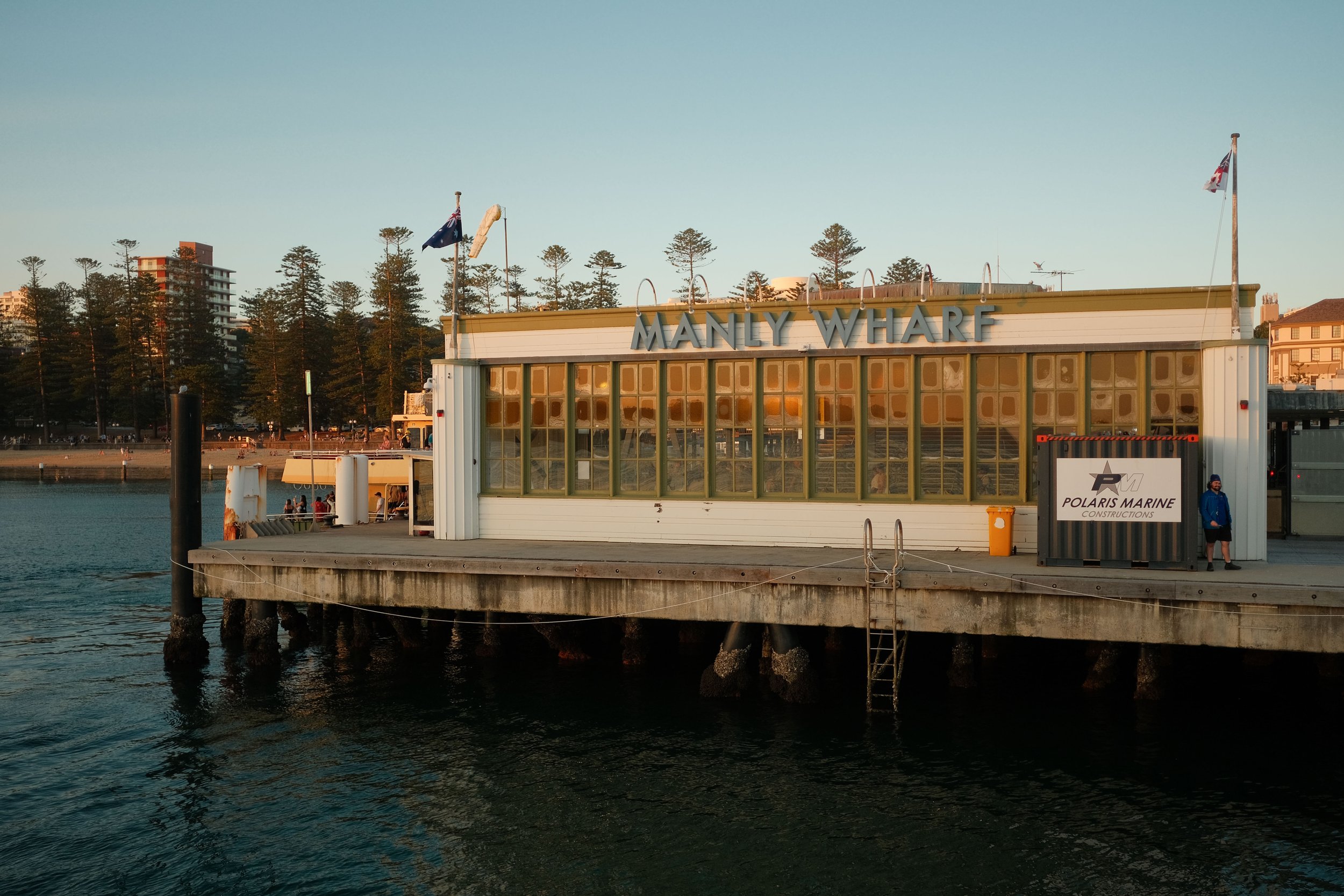
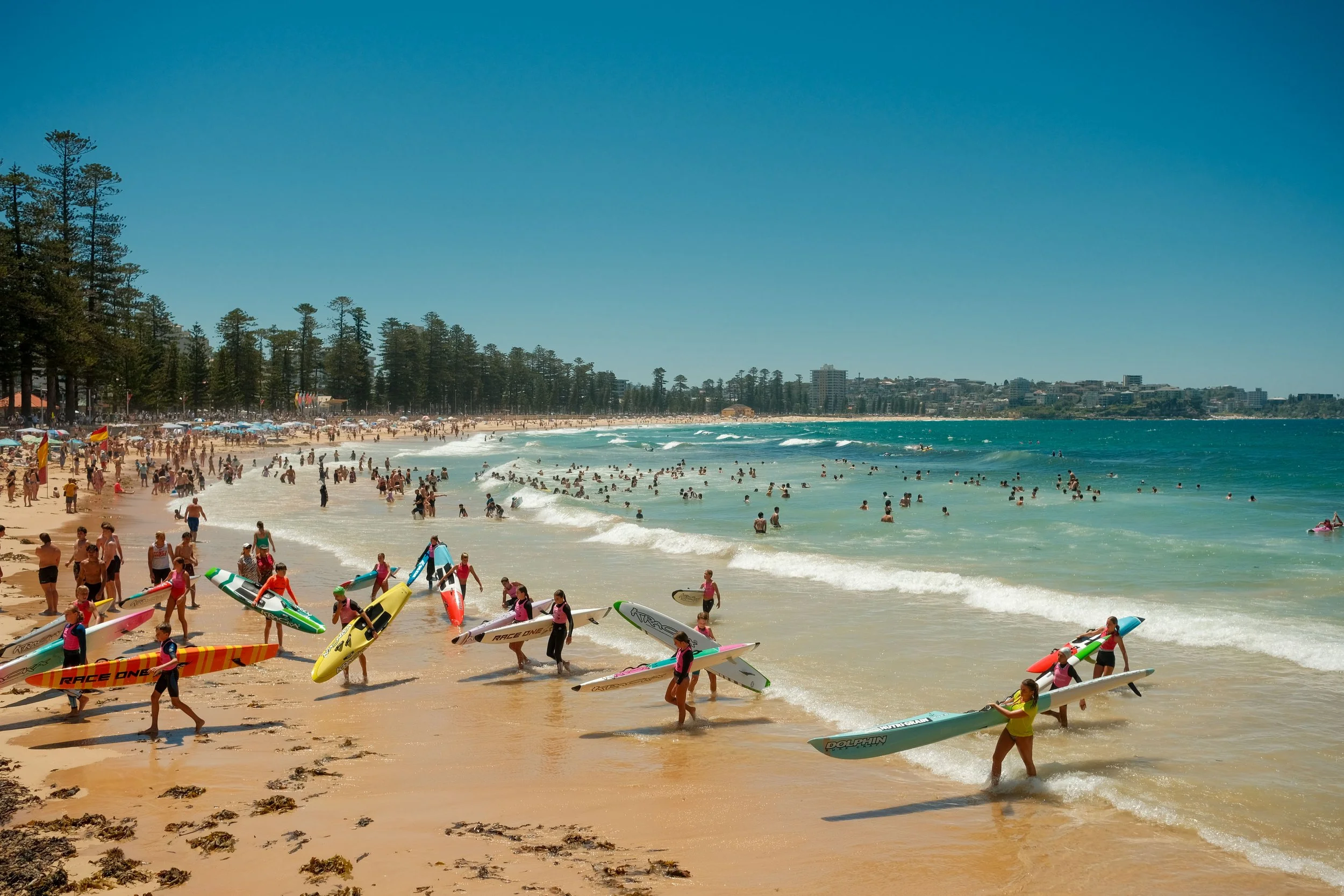
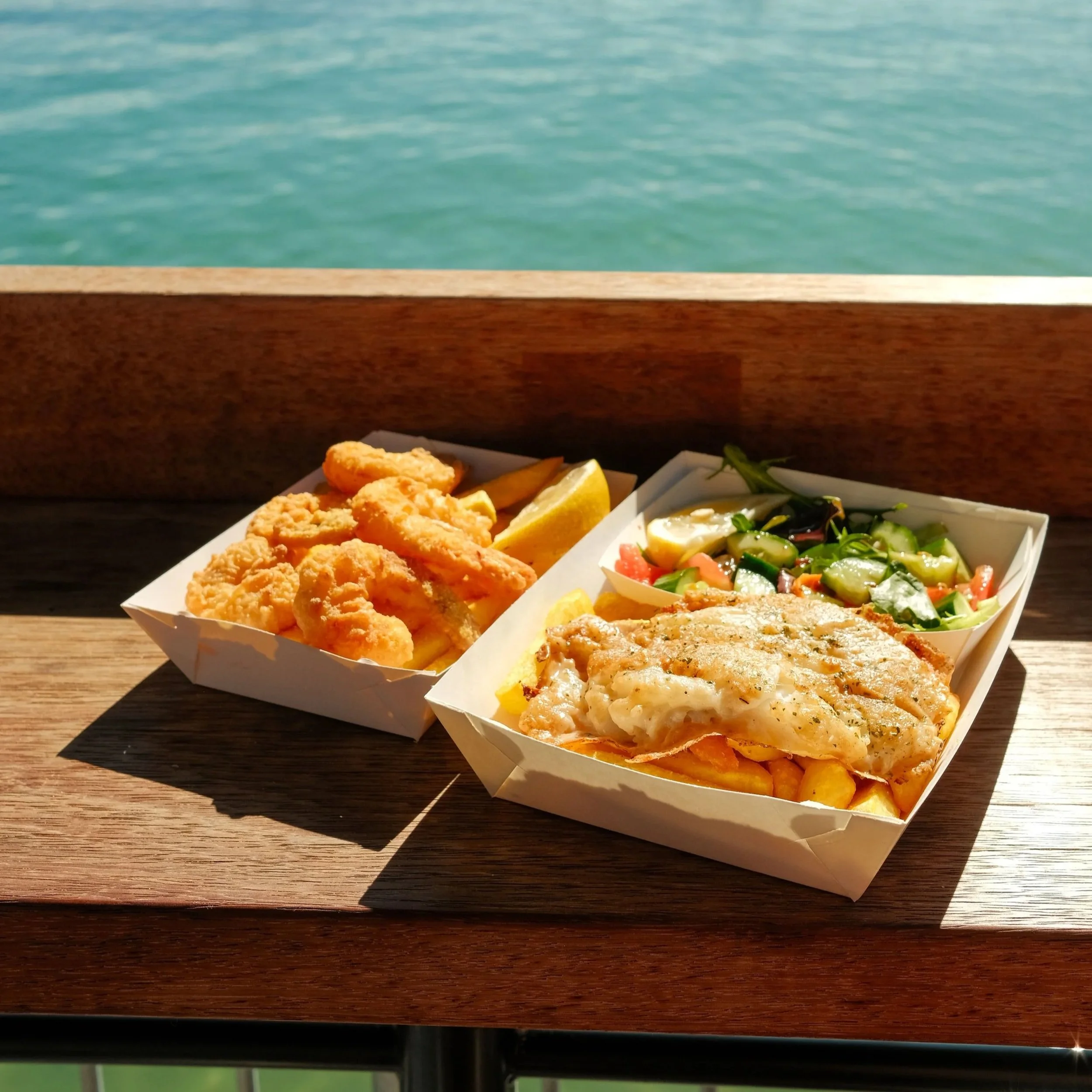
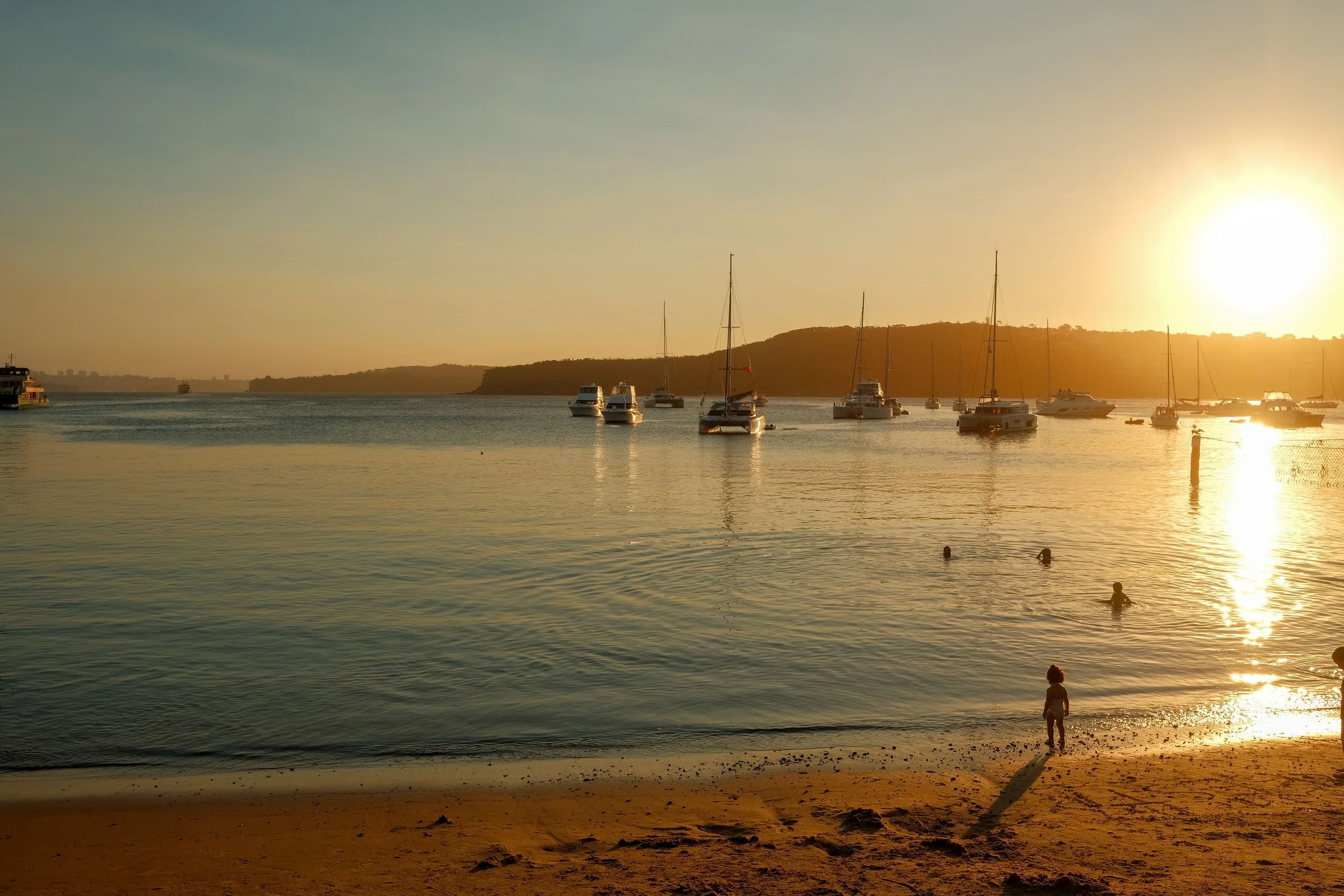
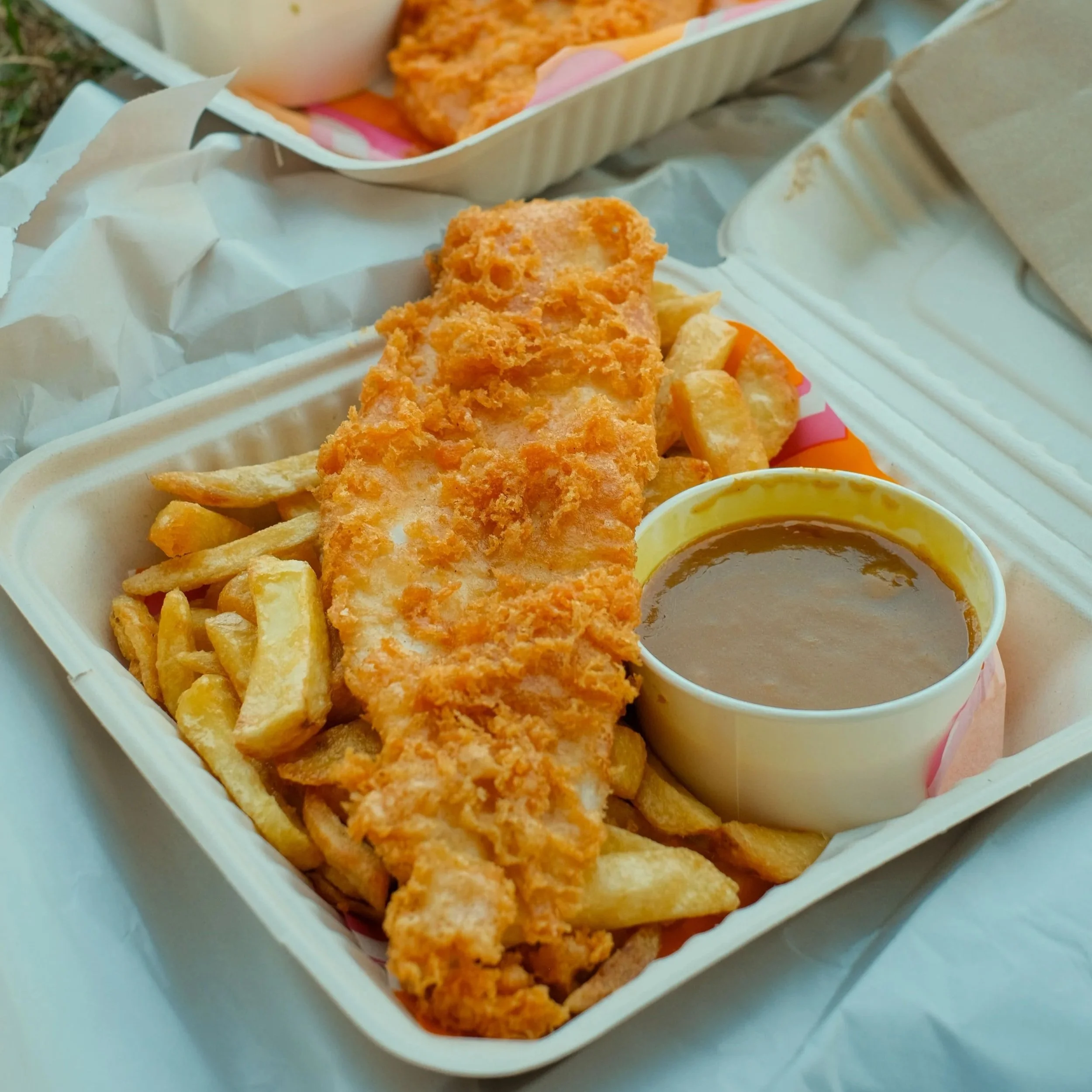
We wrapped up our time in Sydney with a few days dedicated to beach-hopping. Our first stop was Manly Beach, about a 30-minute ferry ride north of the city. The ferry ride itself felt like part of the experience, offering incredible views of Sydney Harbour, the Opera House, and the city skyline. Once we arrived, we spent a leisurely afternoon lounging on the sand, occasionally dipping into the water to cool off. After a few hours, we popped into a local fish and chips shop, where I had the best fried shrimp of my life. We enjoyed our meal and an ice cold beer on the wharf overlooking the harbor as the sun began to dip, rounding out the perfect, laid-back beach day.
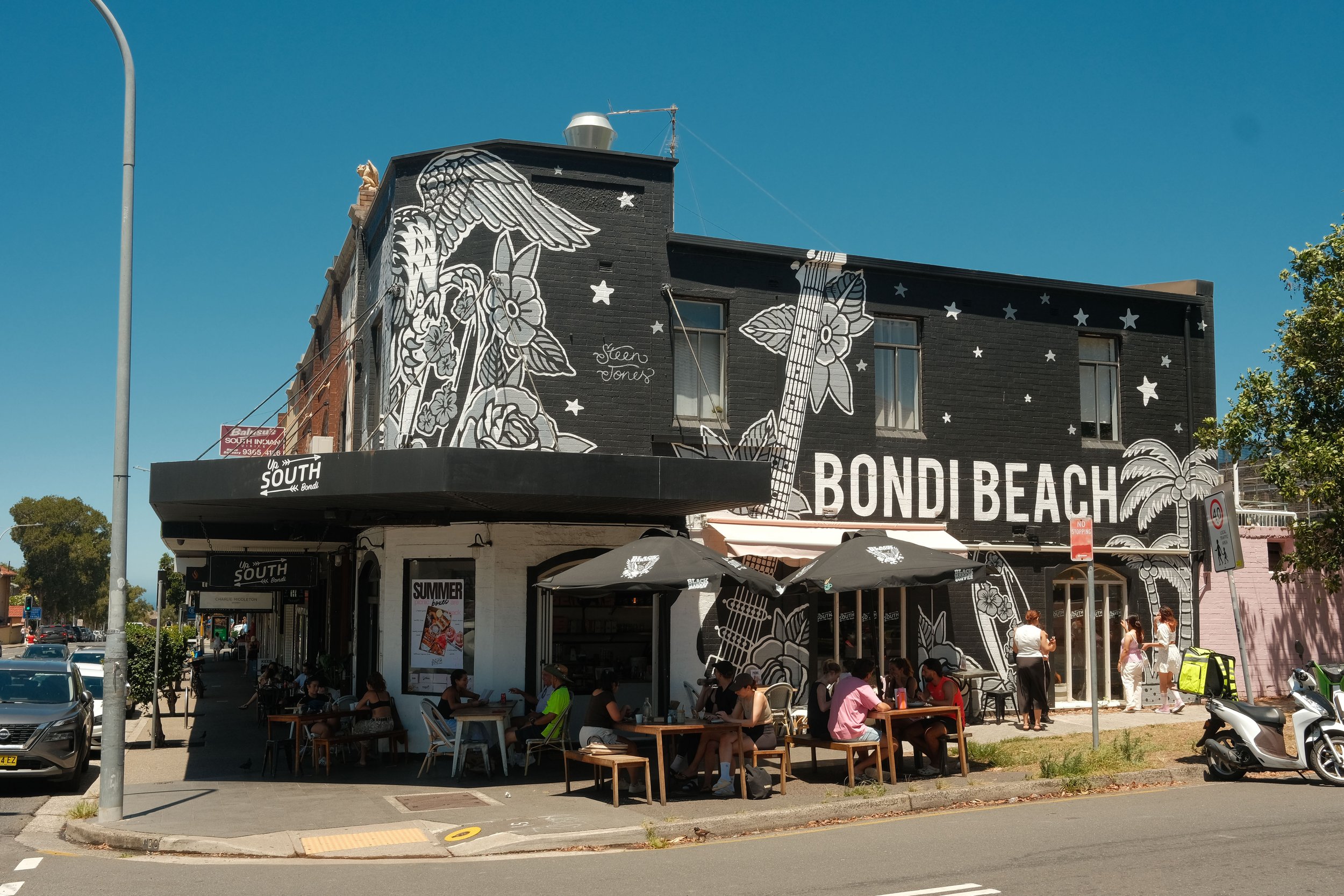
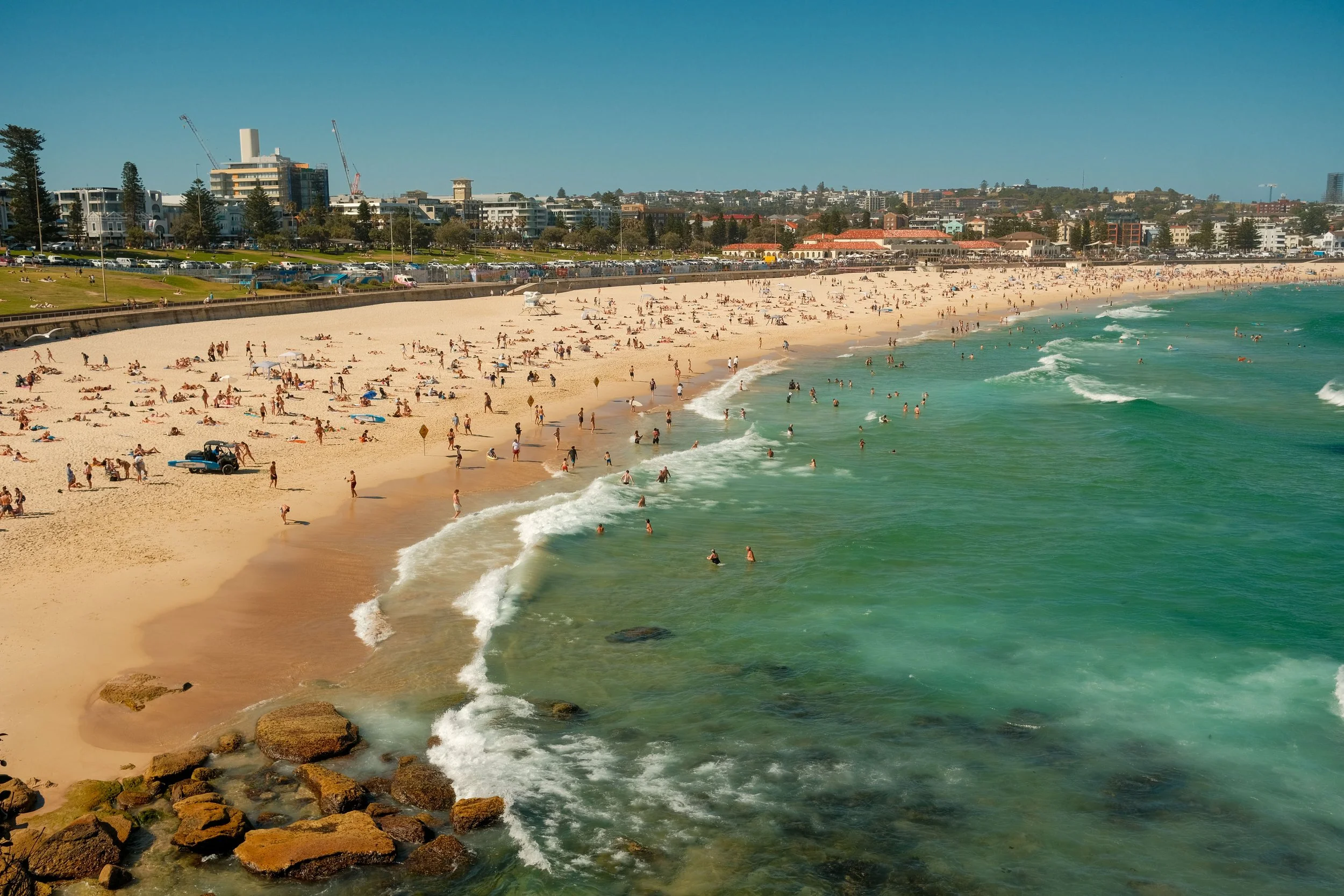
The next day, we visited Bondi Beach, Australia’s most famous stretch of sand. As we crossed the footbridge to the beach, I was struck by the weight of recent events - just a month ago, two armed gunmen had taken the lives of fifteen people in a senseless antisemitic attack in that very spot. It was sobering to think about in the middle of such a beautiful, sunny day, and we paused for a moment of remembrance. I also thought of the act of heroism captured in a widely shared video online, where Ahmed al-Ahmed, an immigrant shop owner, tackled one of the gunmen and seized his rifle, saving countless lives. It was a good reminder that while there may be evil and bigotry in the world, there is also bravery and goodness.
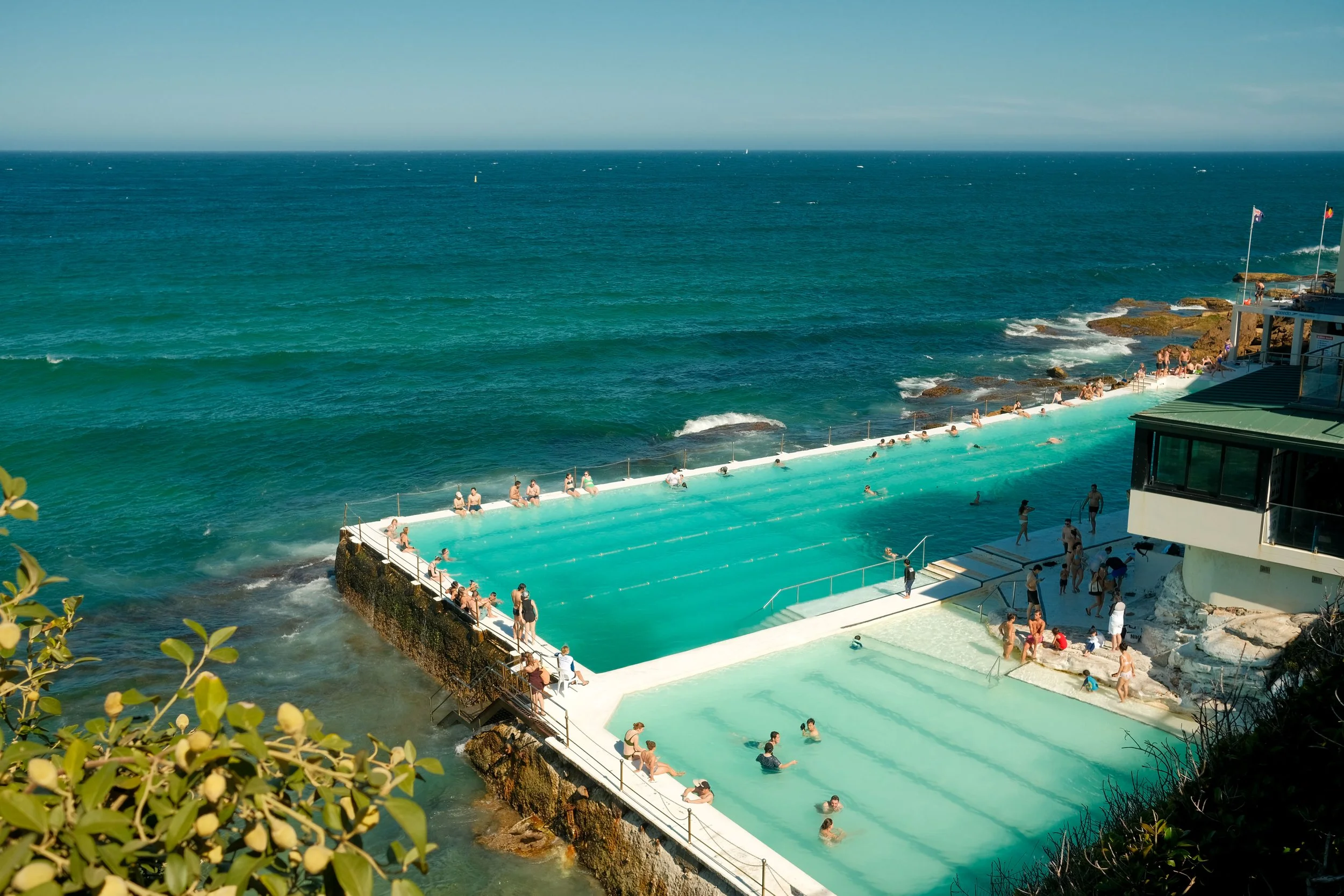
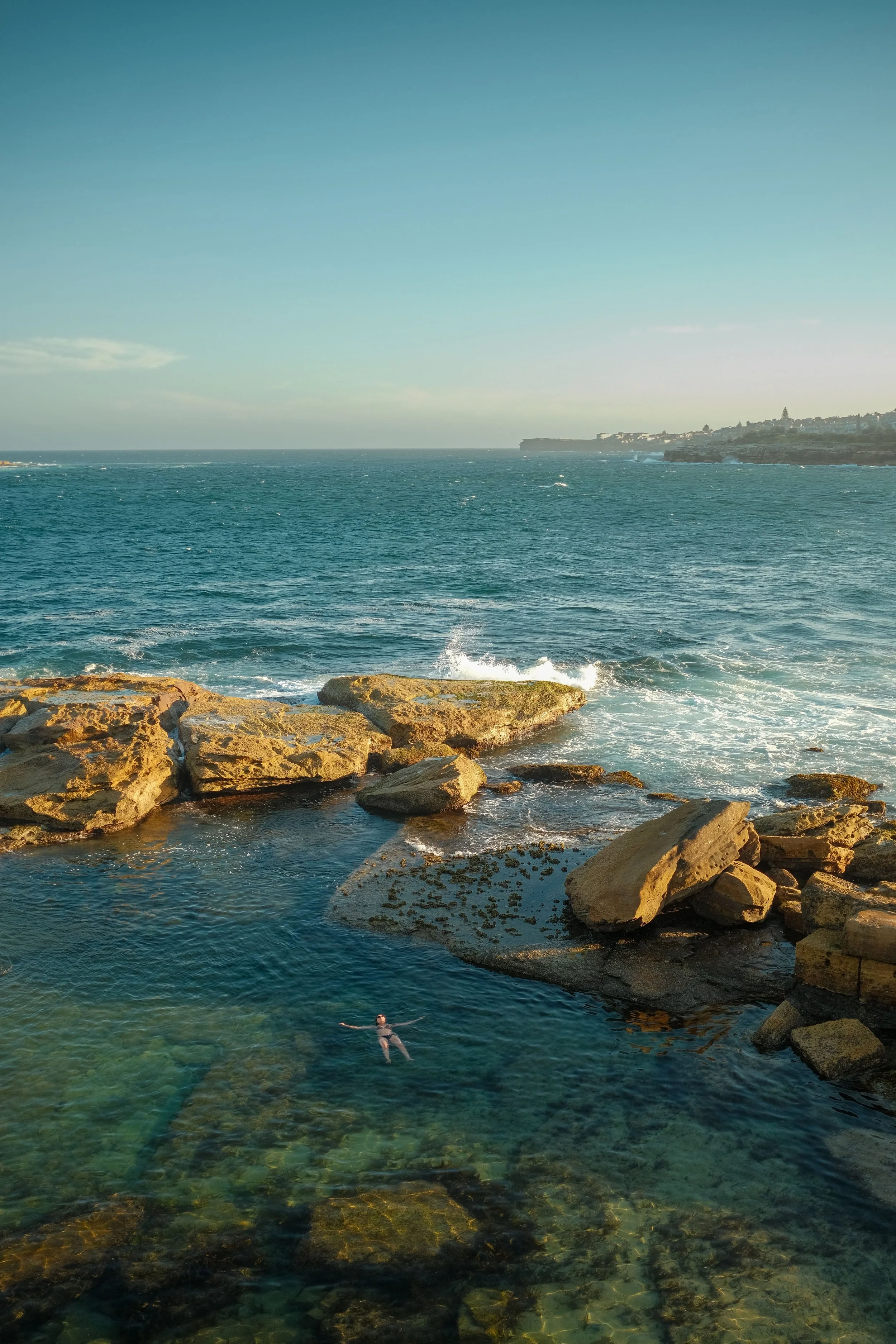
Afterwards, we set out on the famous Bondi to Coogee Coastal Walk, a six-kilometer clifftop trail winding along the coastline. One of the most iconic sights along the way was Bondi Icebergs, a historic oceanfront pool where waves crash dramatically over the pool’s edge. The trail led us past several more beaches, with uninterrupted ocean views the entire way. We reached Coogee Beach just before sunset, and I went for a refreshing swim in the ocean pools, a perfect way to cool off and soak in the final moments of the day.
Perth
After a week in Sydney, we crossed the continent to Perth, in Western Australia. Home to around two million people, Perth is often described as the most isolated major city in the world, separated from the rest of Australia by vast stretches of desert. The closest major city, Adelaide, is a staggering 1,300 miles away (around a three-hour flight). But once we arrived, it became clear that this distance, combined with near-constant sunshine and pristine beaches, gives Perth a noticeably more relaxed, less crowded feel than Sydney.
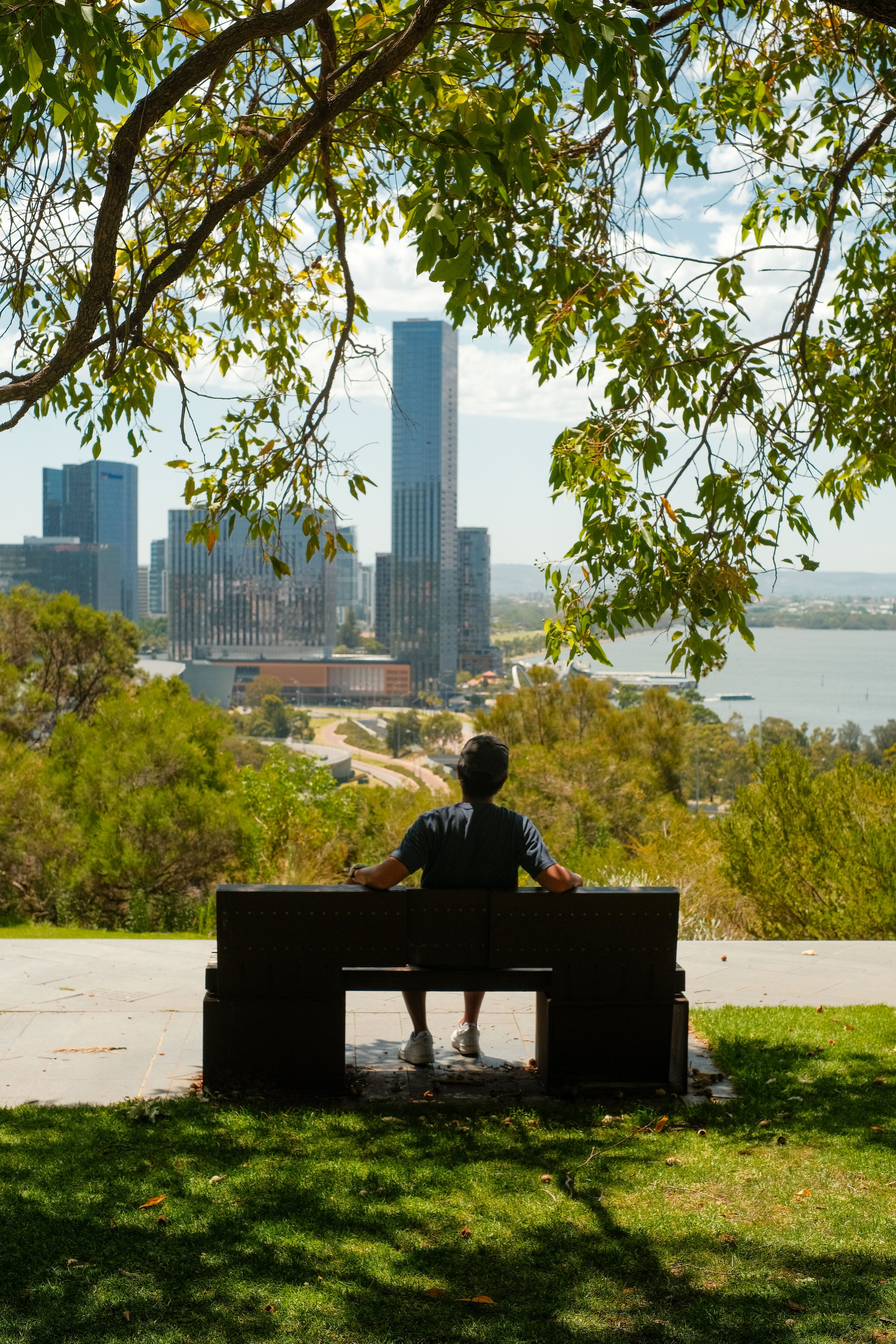
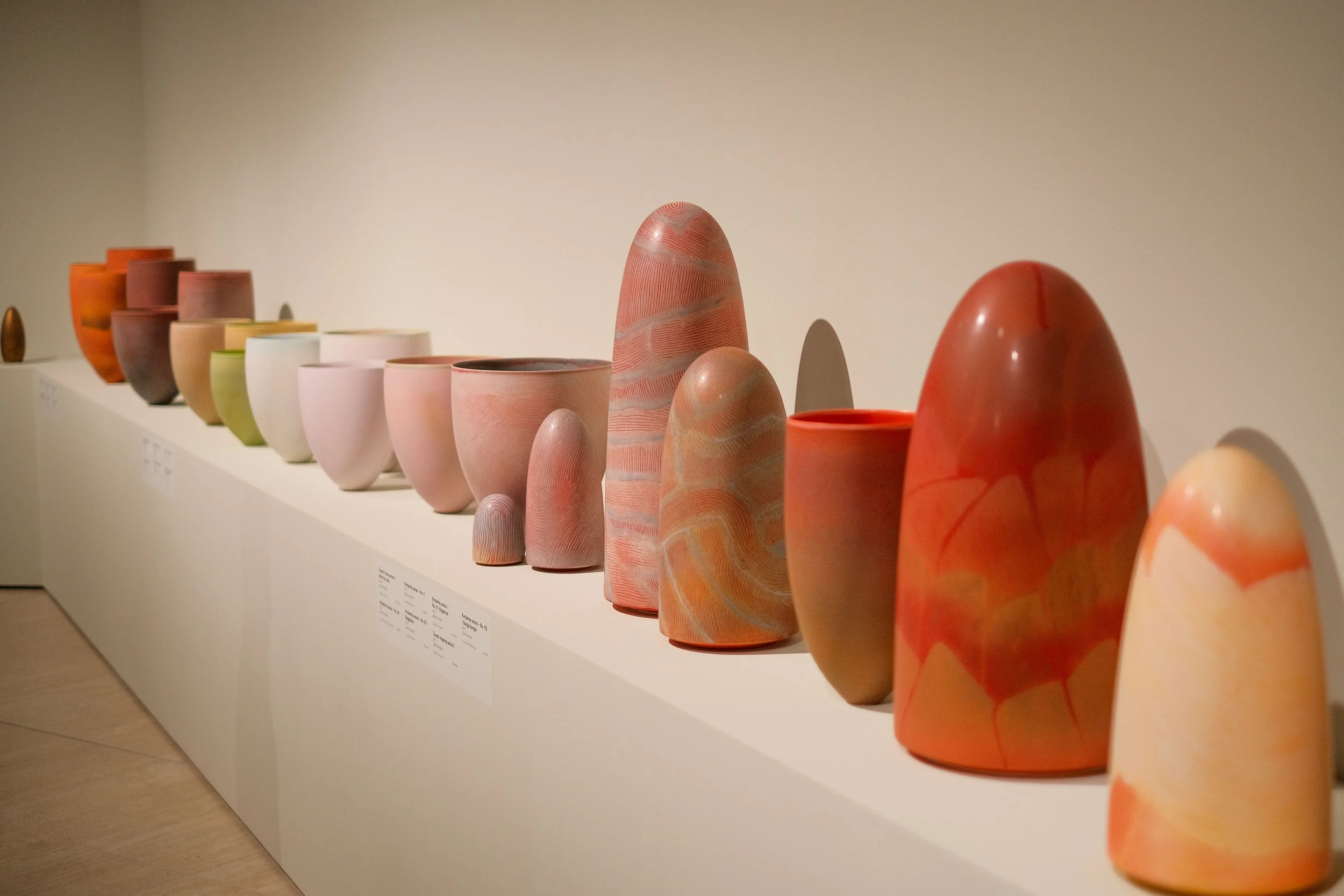
We began our stay in downtown Perth, which made for a convenient base to explore the city. One of our first stops was Kings Park, the largest inner-city park in the world, where we took in sweeping views of the skyline and the Swan River below. From there, we headed to the Art Gallery of Western Australia. I was especially excited to stumble upon an exhibit dedicated to Pippin Drysdale, an Australian ceramicist whose porcelain works draw inspiration from Western Australia’s landscapes. Her fluid forms and bold use of color really resonated with me - something I’ll be carrying back as inspiration once I’m able to return to making pottery.
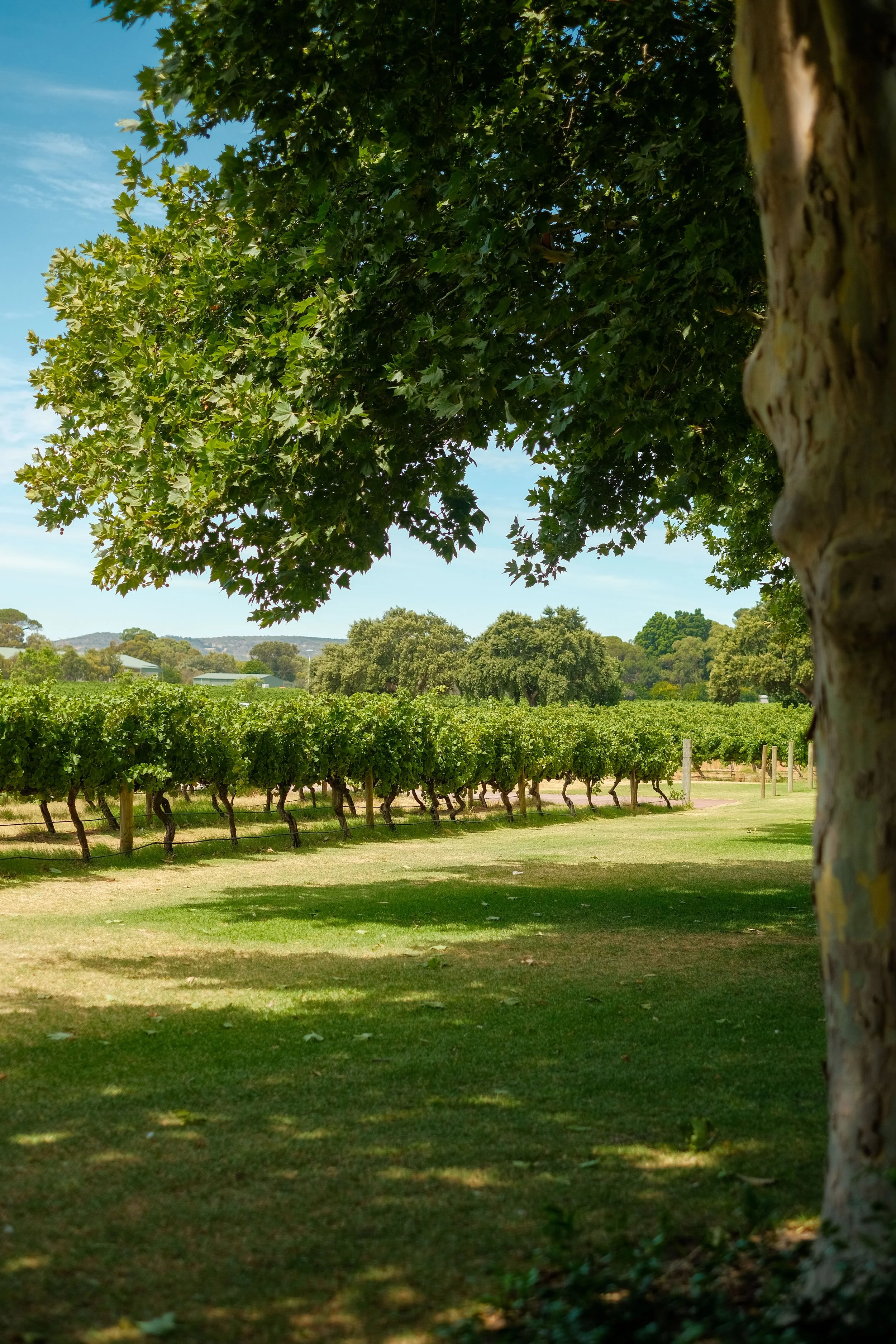
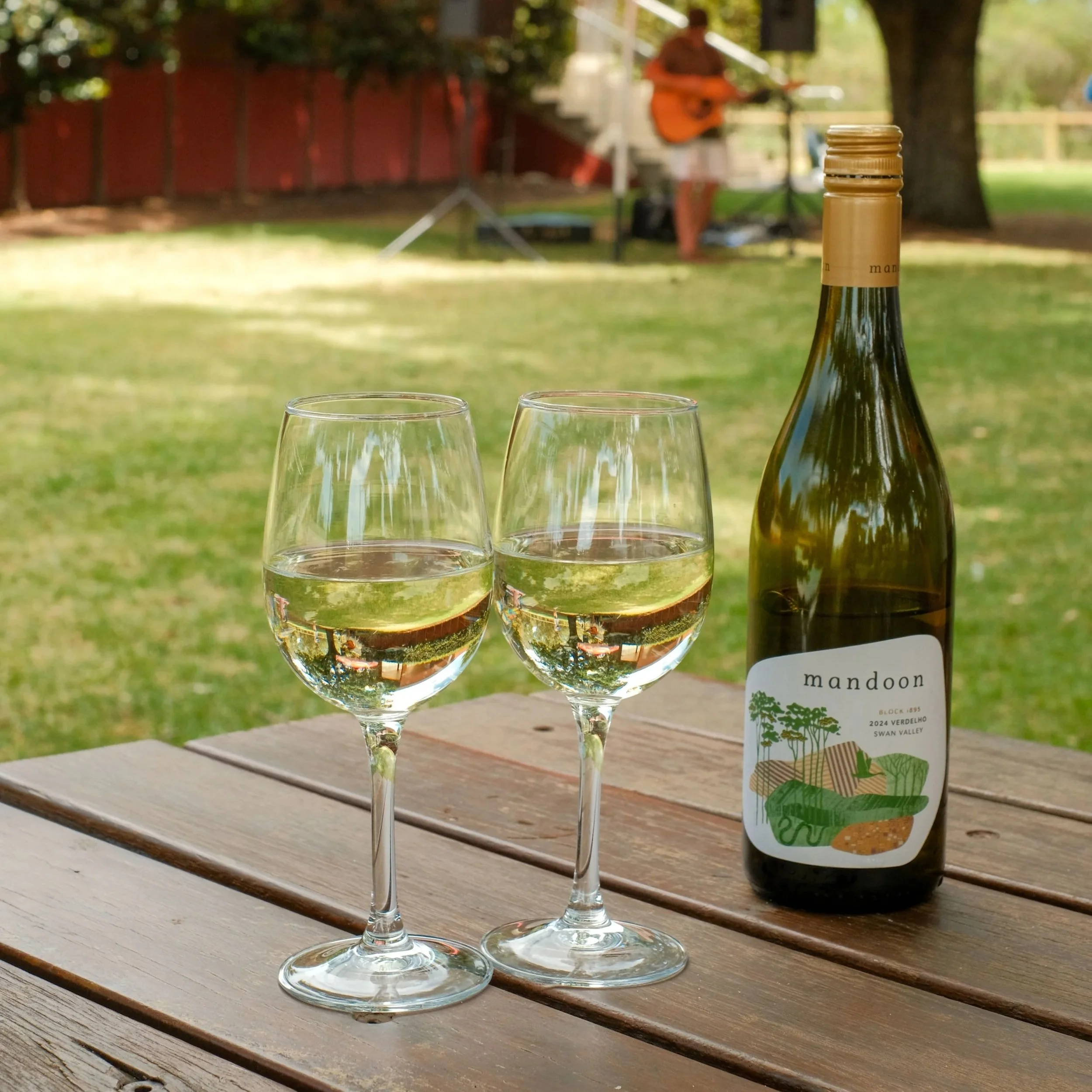
We spent the afternoon in Swan Valley, located just outside Perth. The second-oldest wine region in Australia, it’s especially known for its Chenin Blanc and Shiraz. With a glass of wine in hand, we sat outside in the warm sun while live acoustic music drifted through the vineyard. Between the wine, the weather, and the laid-back atmosphere, it was hard to imagine a more perfect afternoon.
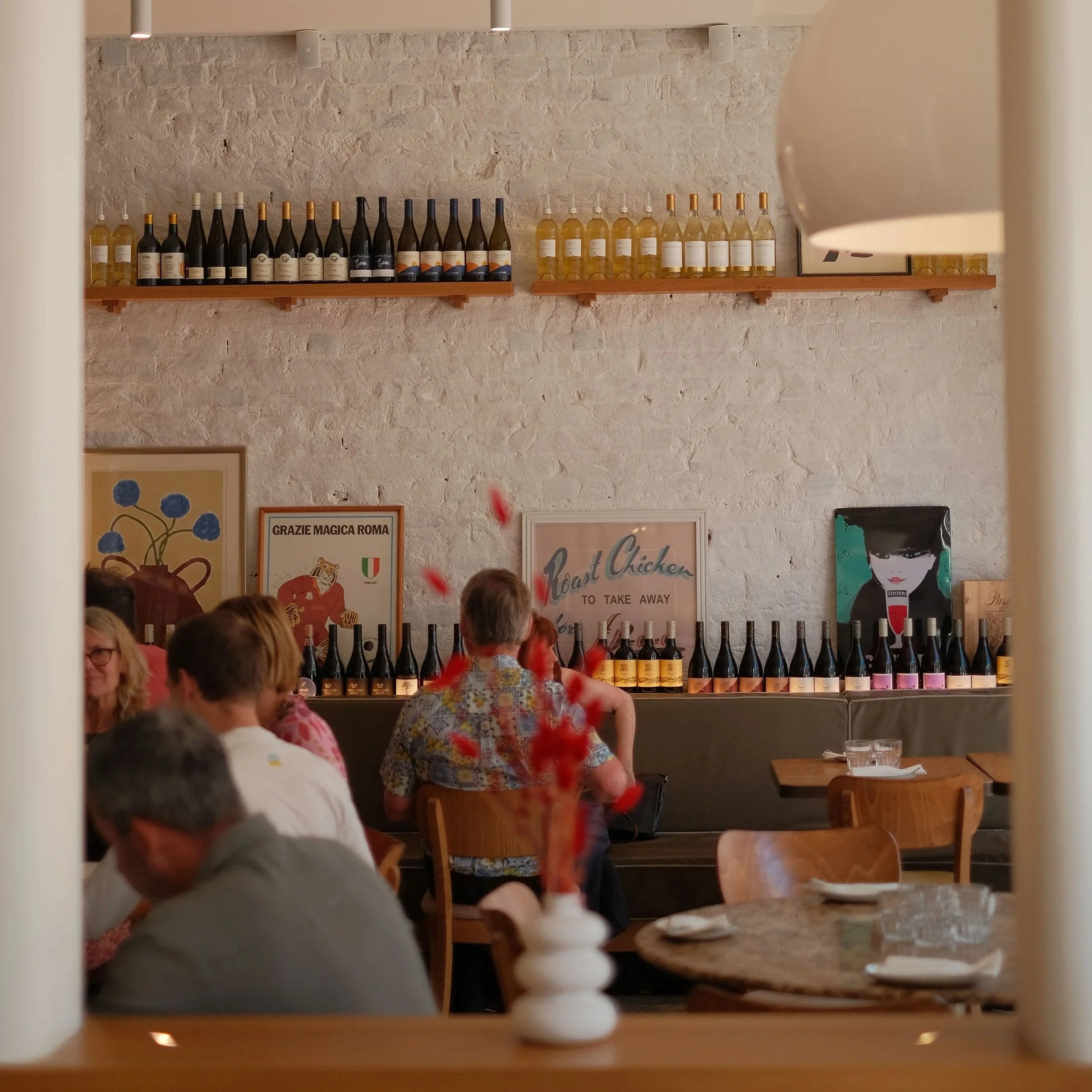
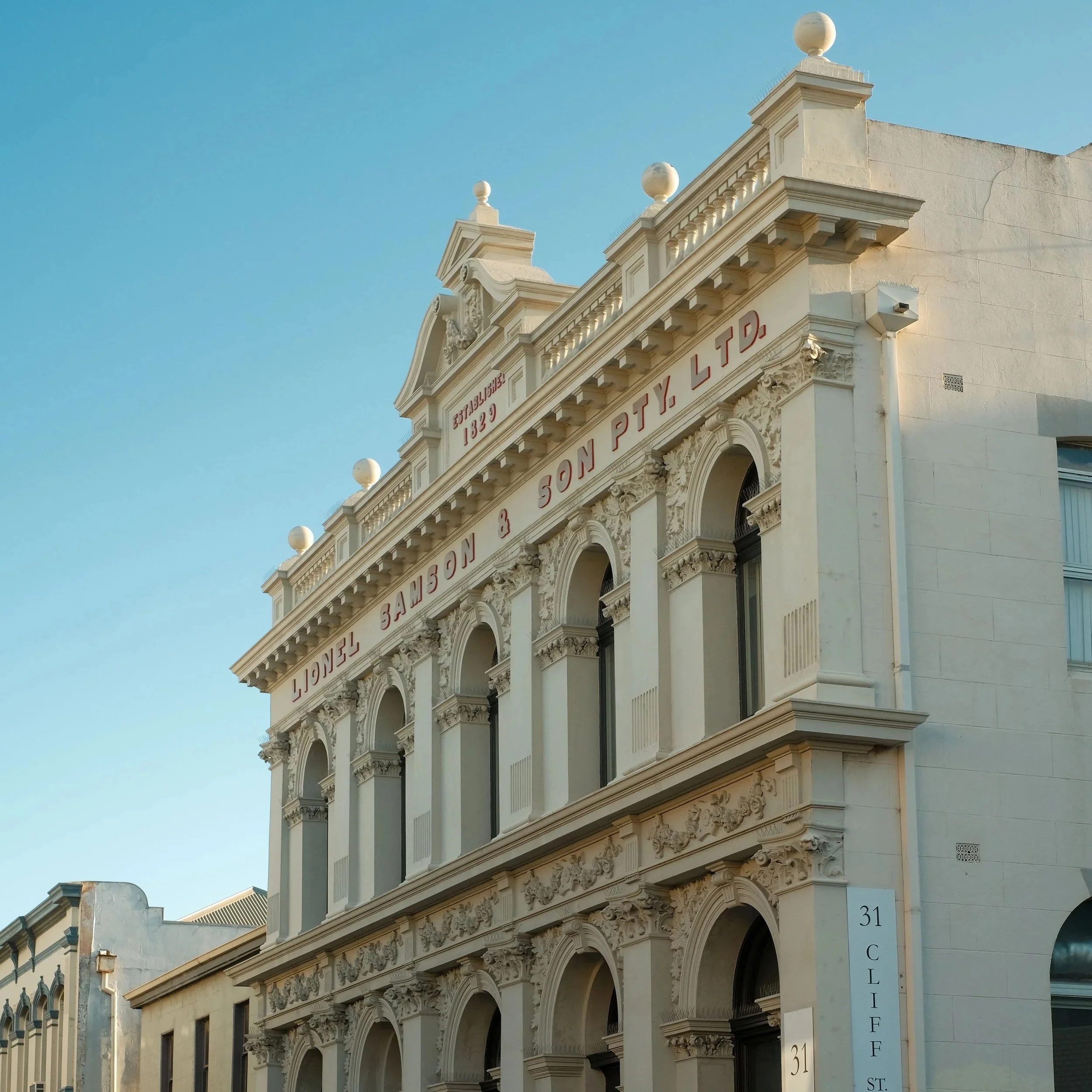
A few days later, we relocated to Fremantle, a port city southwest of Perth known for its maritime history, artsy vibe, great food, and relaxed coastal feel. It quickly became one of my favorite neighborhoods. Our days there revolved around food and drink: leisurely breakfasts paired with excellent coffee, glasses of wine at a chic wine bar, and crisp beers at a packed local brewery.
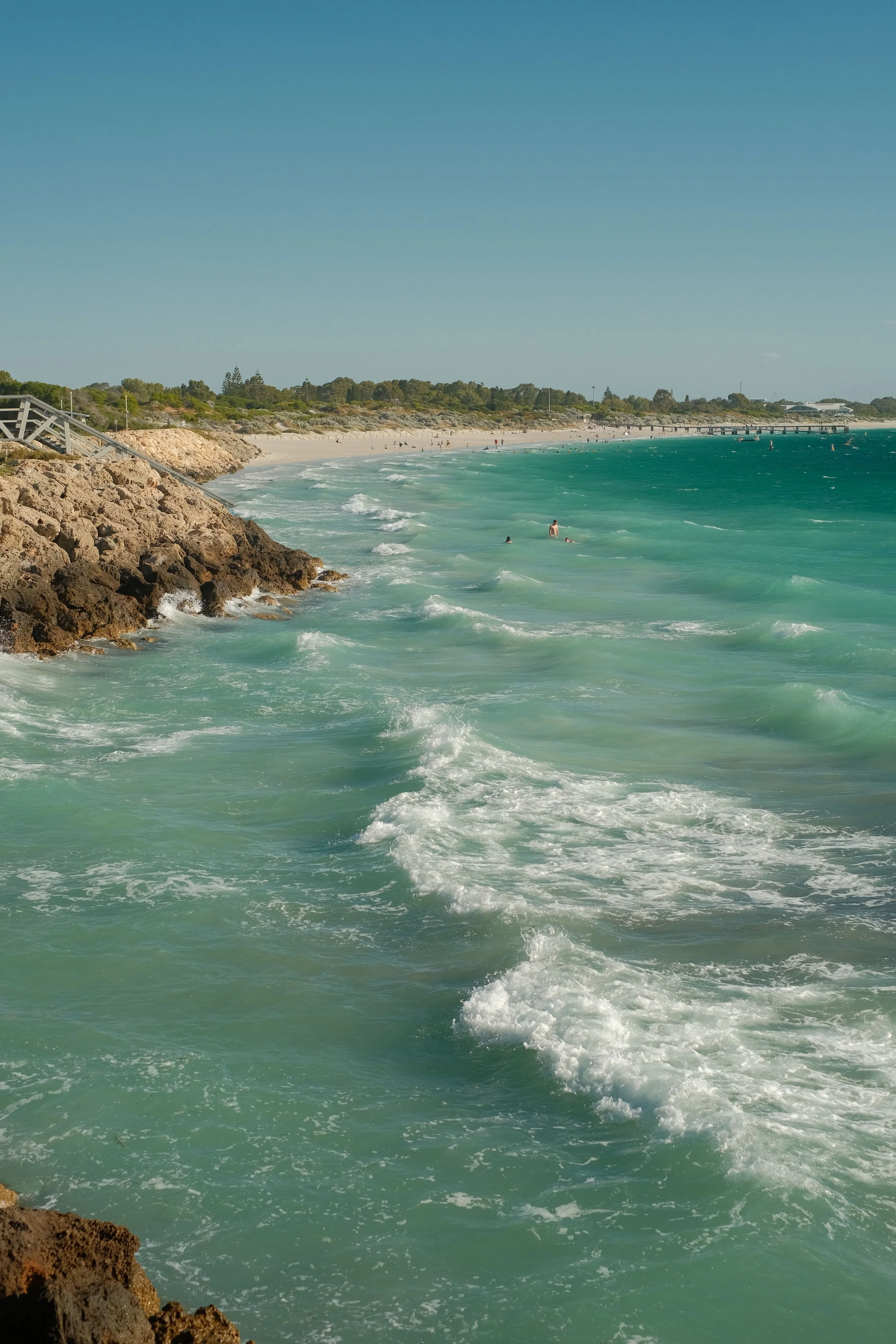
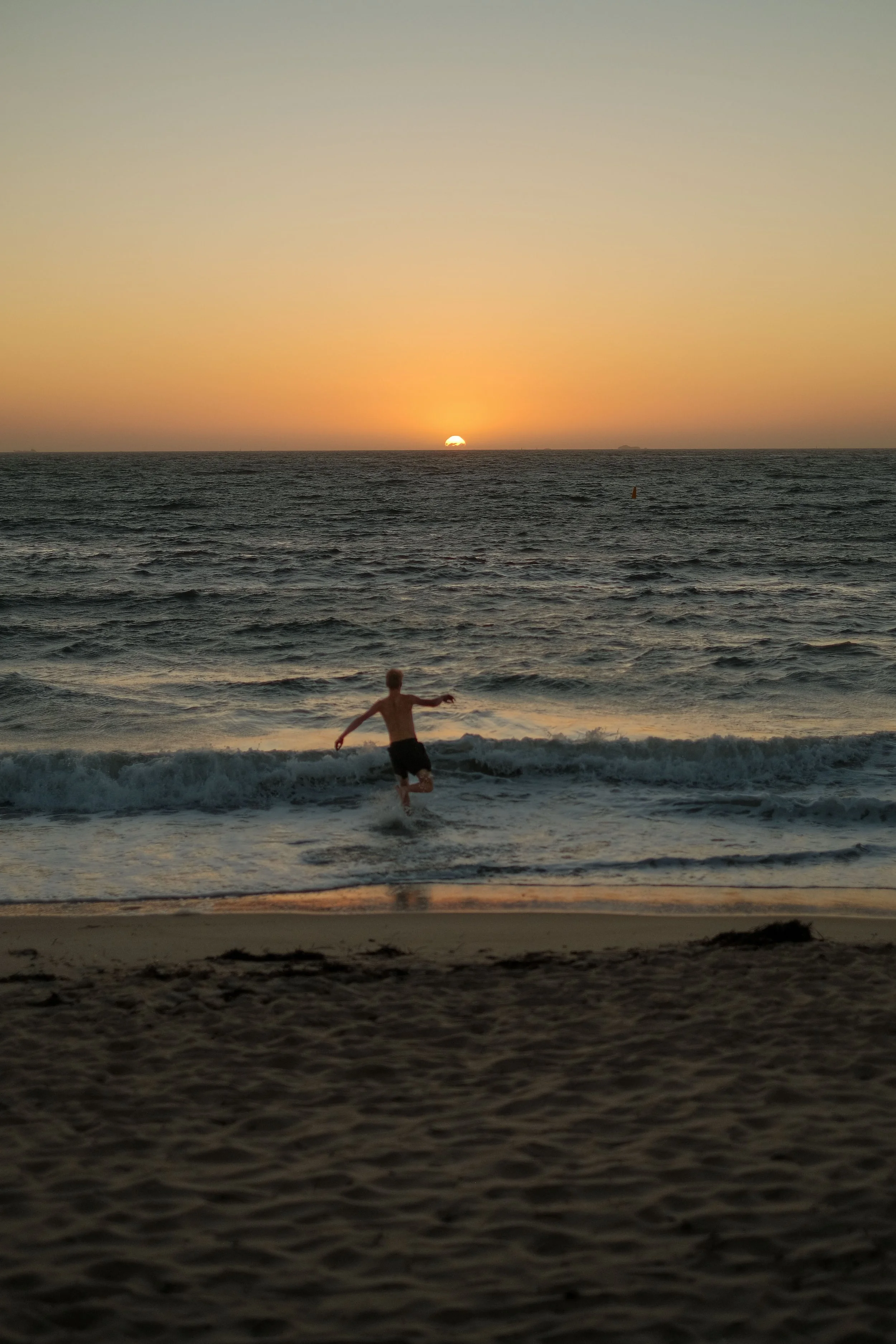
Fremantle also turned out to be an ideal jumping-off point for exploring Perth’s long, uninterrupted stretch of coastline. We visited Coogee Beach (yes, Perth has its own Coogee), Cottesloe Beach, and Scarborough Beach - each boasting powdery white sand and strikingly clear, turquoise water. They were some of the most beautiful beaches we’ve ever seen. The only downside was the regular afternoon sea breeze, made more noticeable by the lack of natural headlands like those in Sydney. Still, the beaches felt calmer and less crowded, with plenty of room to spread out and relax - once we learned to turn our faces away from the wind.
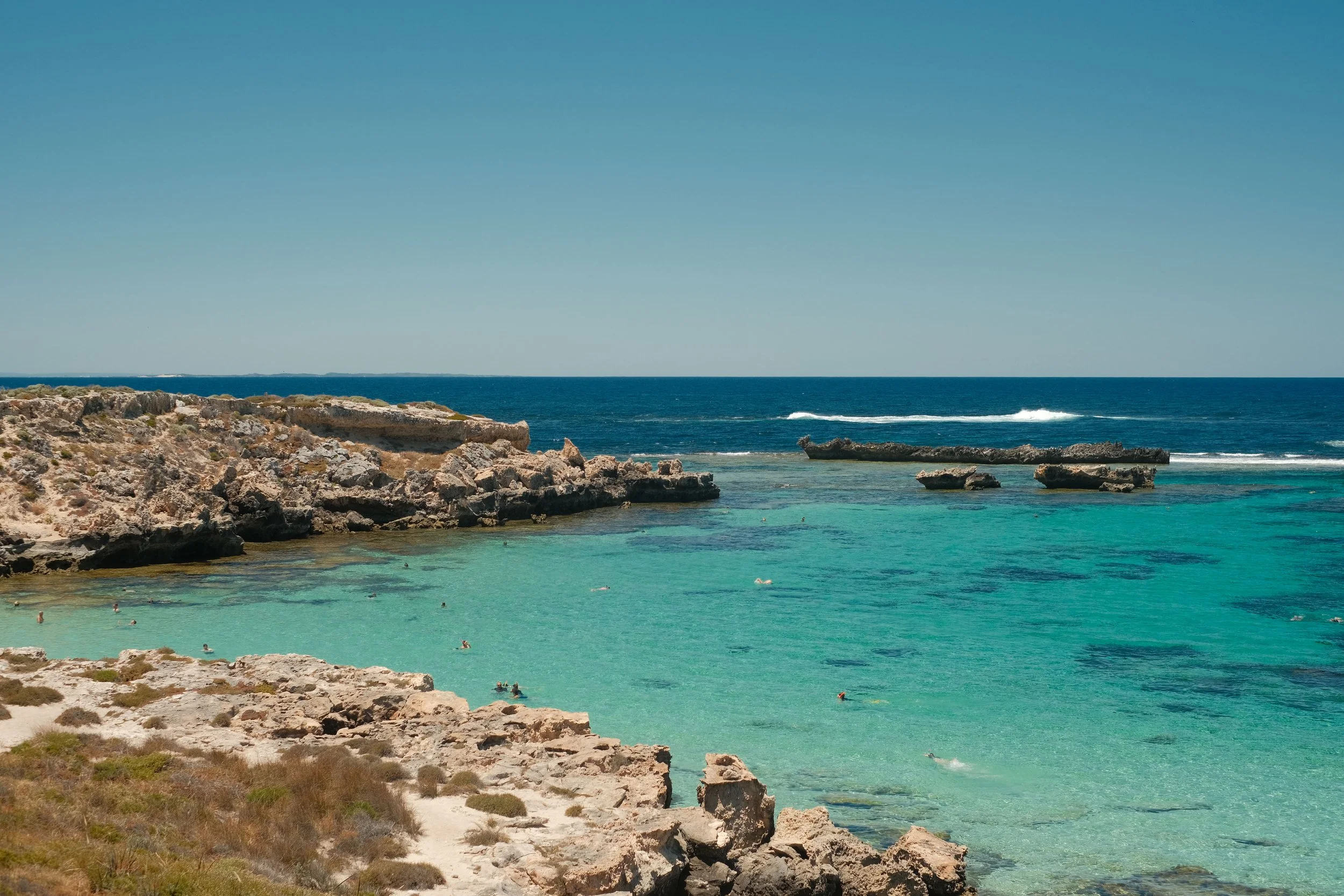
One morning, we caught a morning ferry to Rottnest Island, a small island just off the coast of Perth. With no cars allowed, aside from public buses and emergency vehicles, we rented bikes to get around. As we pedaled along the coast, the views were unreal: brilliantly blue water, dotted with boats gently bobbing in the bays. We eventually reached a small bay, where we spent an hour snorkeling in shallow water above coral reefs.
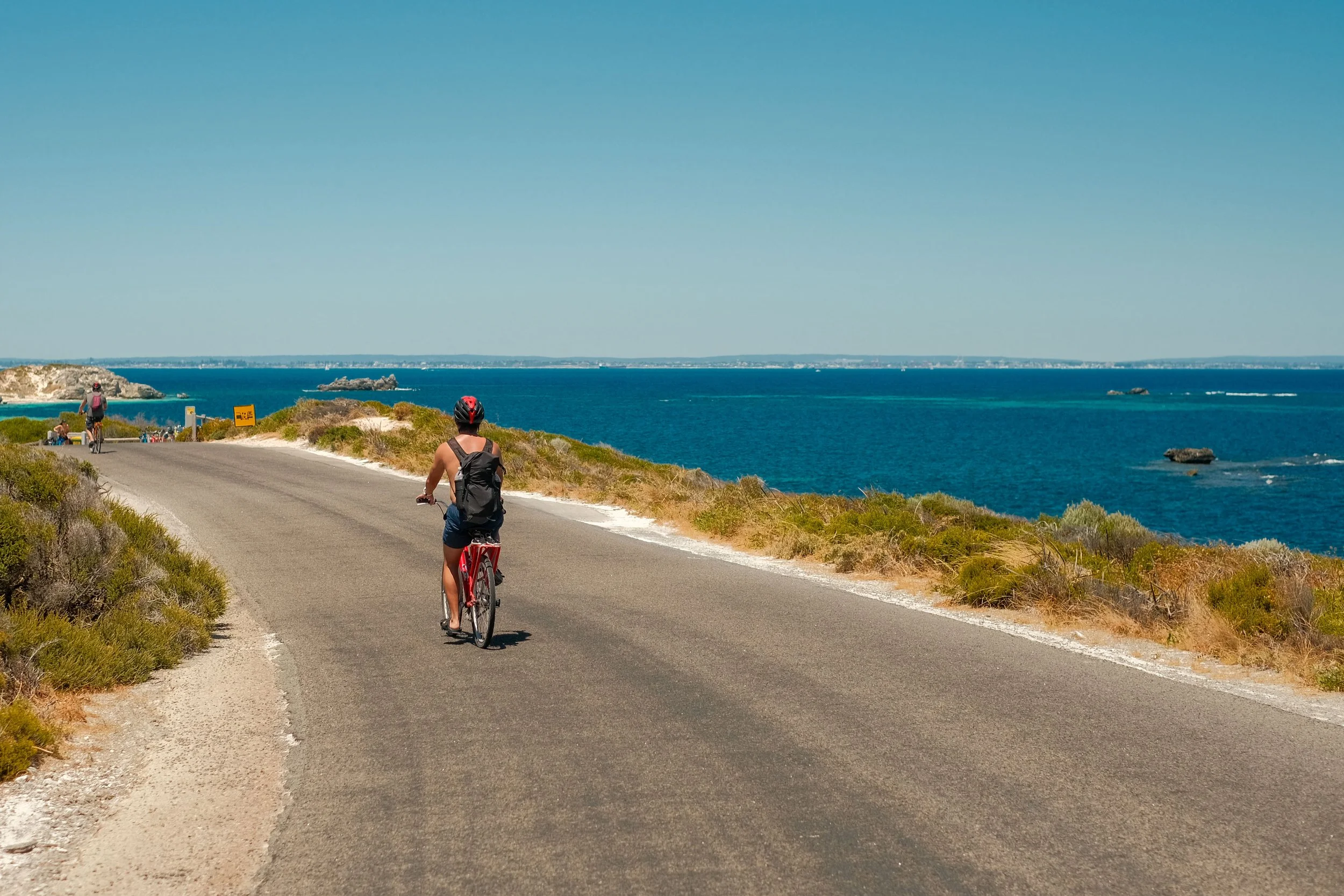
After spotting plenty of fish, we biked back toward the main strip for lunch. The ride took much longer than expected when one of Hanqing’s water shoes mysteriously fell off his bike along the way. We retraced our route and, against all odds, found the lone shoe near some train tracks nearly a mile from where we first realized it was missing.
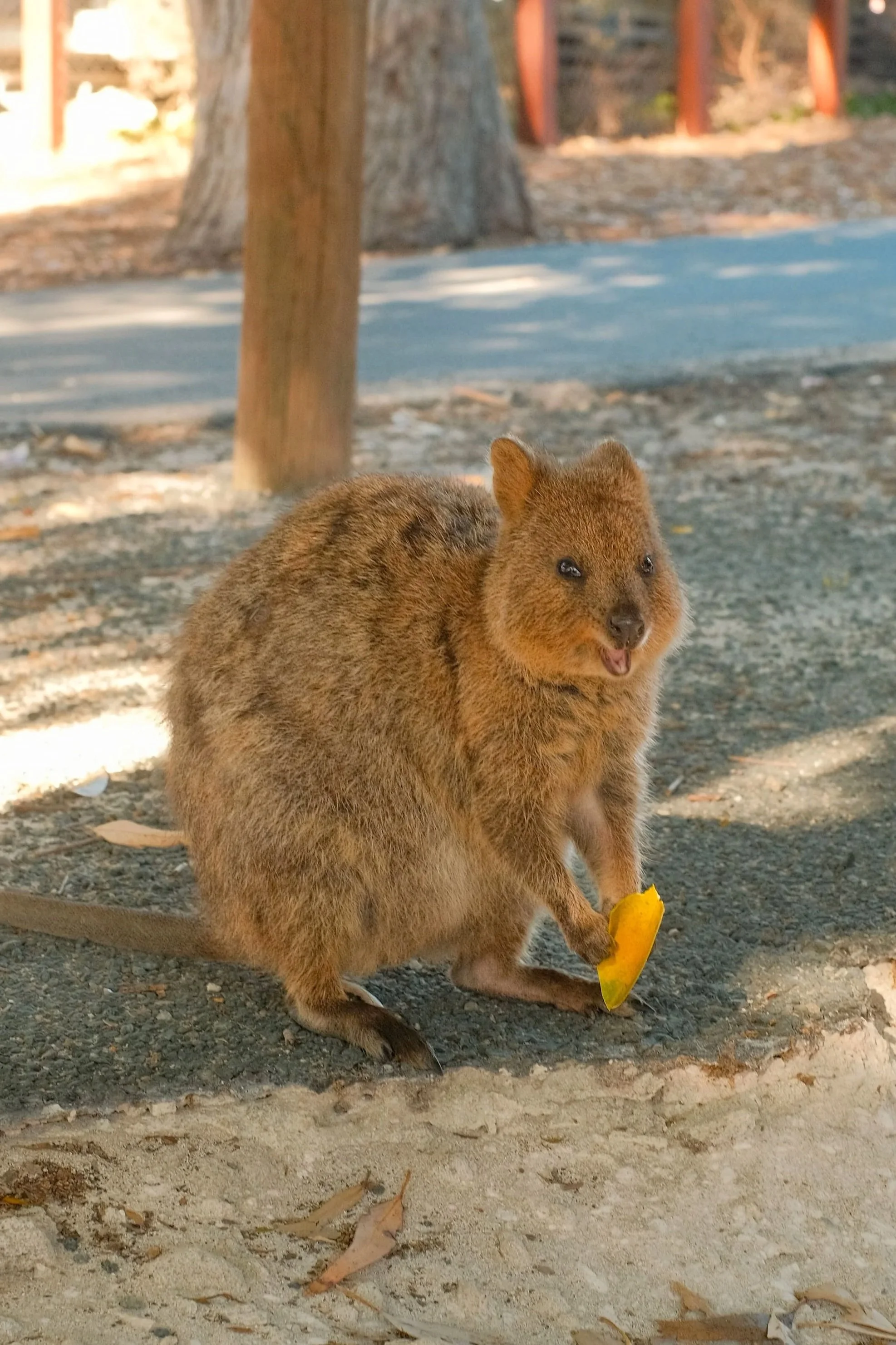
The detour turned out to be a blessing in disguise. On our second pass through the area, we spotted our very first quokka. Native to a small region of southwestern Australia, Rottnest Island is home to the largest quokka population in the world. These small marsupials look like a cross between a miniature kangaroo and an oversized rat. I later learned that when Dutch explorer Willem de Vlamingh landed here in 1696, he mistook the quokkas for giant rats and named the island “Rattennest,” Dutch for “rat’s nest.”
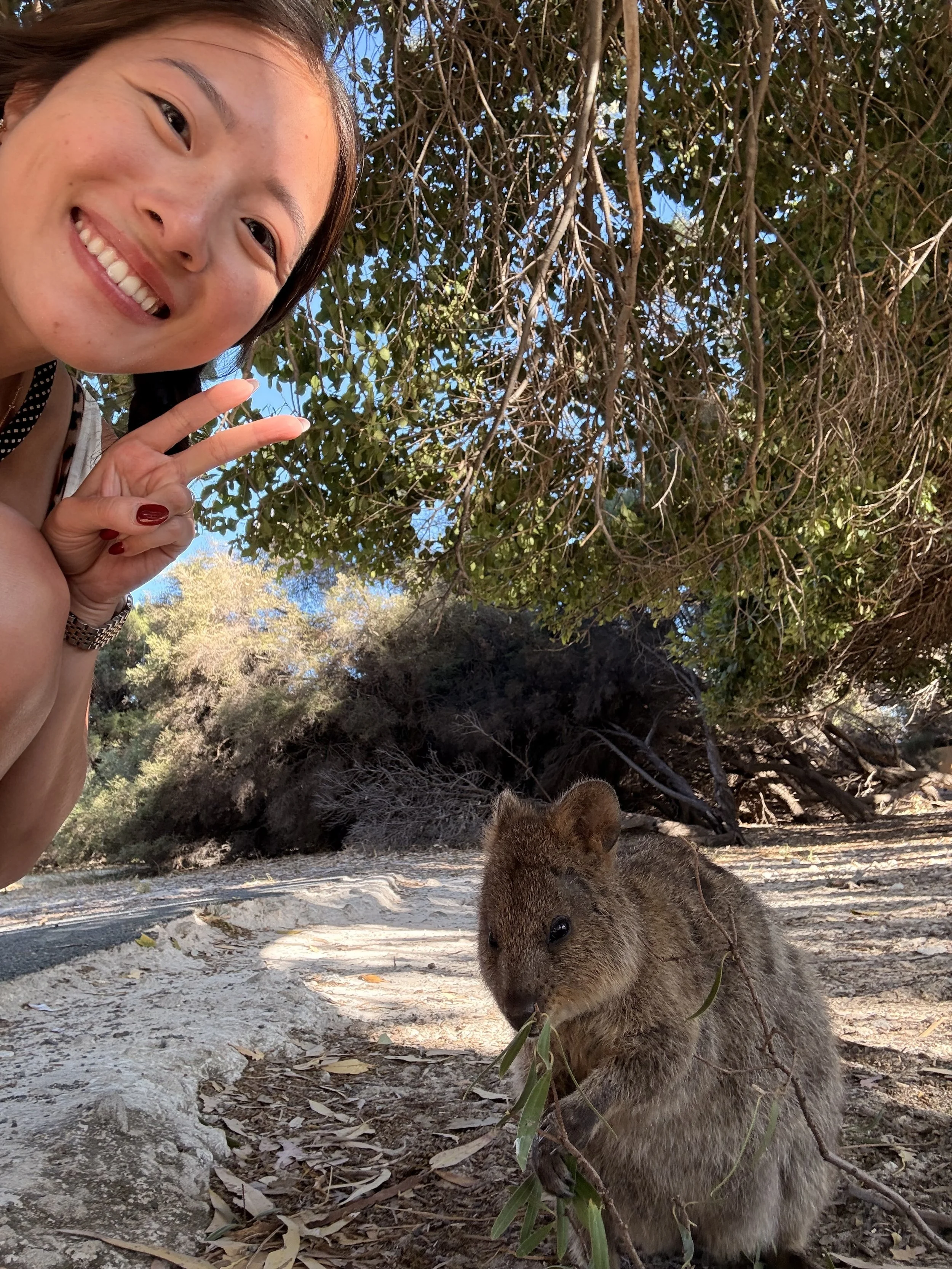
Up close, the quokkas were surprisingly unfazed by humans, likely thanks to their habit of sneaking bites of unattended food (despite strict rules against feeding them). I managed to get close enough for a few obligatory quokka selfies. Their naturally upturned mouths - especially noticeable when they’re chewing - have earned them the nickname of the “world’s happiest animal.” It’s hard not to live up to that reputation when you live in a paradise like this.
Finally, I’d be remiss not to talk about the food in Australia. Much like the U.S., the cuisine here is deeply shaped by migration, resulting in an impressively diverse food scene. To my delight, there were even more Asian food options than we’re used to back home in DC. We happily alternated between hot pot, dumplings, and noodles, alongside classics like fish and chips, sausage rolls, and other Australian and European dishes.
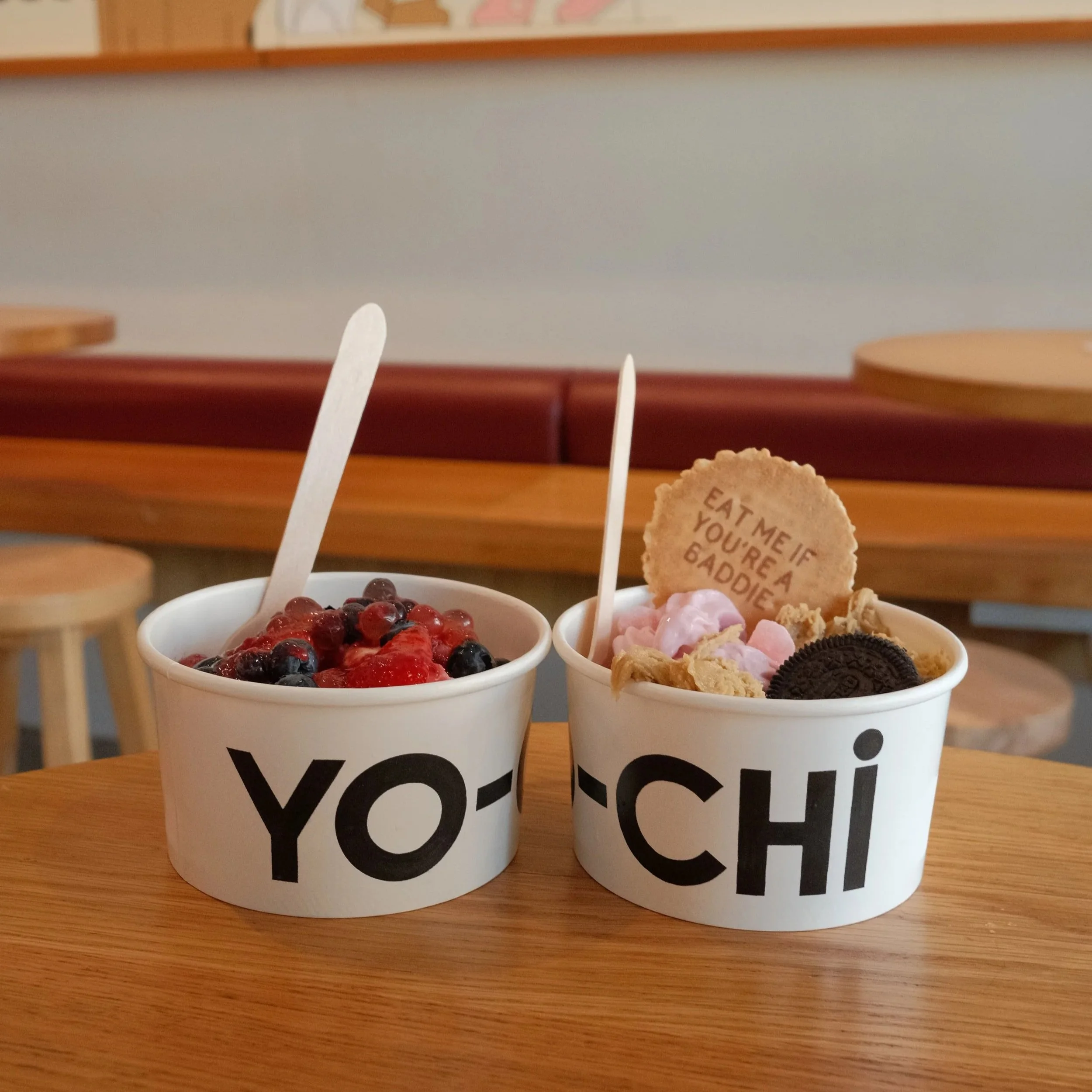
One final unexpected joy: frozen yogurt is very much alive and thriving here. It felt like a throwback to the early 2010s, when there seemed to be a froyo shop on every corner. The most iconic spot is Yo-Chi, which we visited a couple times a week. It’s the perfect dessert - sweet enough to satisfy that craving, yet somehow convincing you that you’re being a little bit healthy. Here’s hoping froyo makes a comeback in the U.S. by the time we get back.
Next stop: Melbourne and the Great Ocean Road.
Talk soon,
Tanya
