
One Last Tango in Buenos Aires & Iguazu: Argentina Part 2
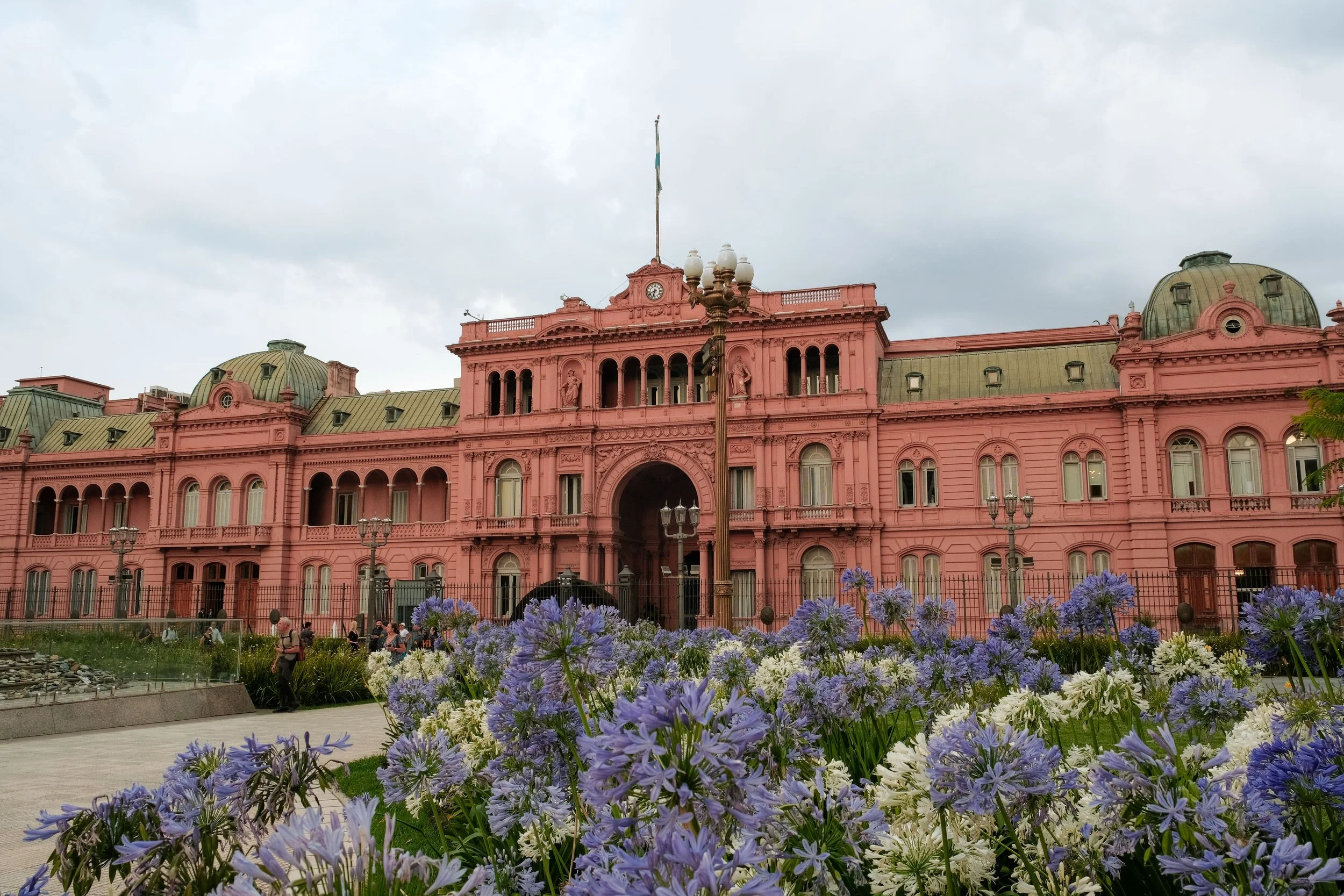
Hello from Buenos Aires! Today marks the very last day of the first leg of our world trip, which feels surreal, especially since it still seems like just yesterday that my parents dropped us off at Dulles, bound for our very first stop in Portugal. Since then, we’ve had an unforgettable four months traveling through Europe, the Middle East, and South America.
As much as I’m soaking up these final moments abroad this year, I’m also really looking forward to what comes next: ten days at home in Maryland. I can’t wait to eat my mom’s home cooking, catch up with friends, hit up my favorite restaurants, do some last-minute Christmas shopping, and then fully embrace doing absolutely nothing - ideally from the couch, with the TV on. I’m also surprisingly excited to repack for the next leg of our trip. After rotating through the same handful of outfits for four months and learning what I truly need versus what’s just dead weight, I’m ready to rethink my wardrobe and gear for the next leg of our journey.
Buenos Días, Buenos Aires!
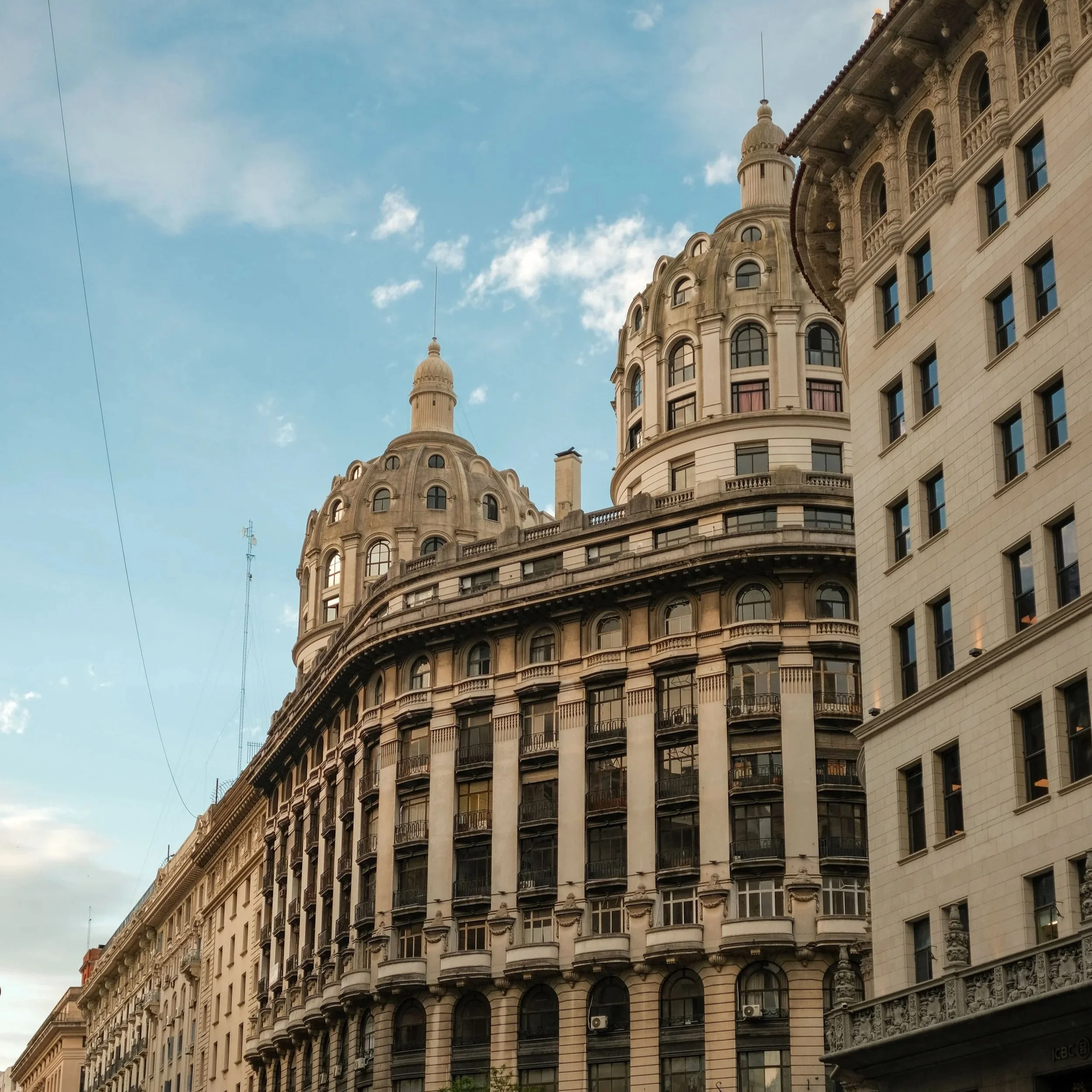
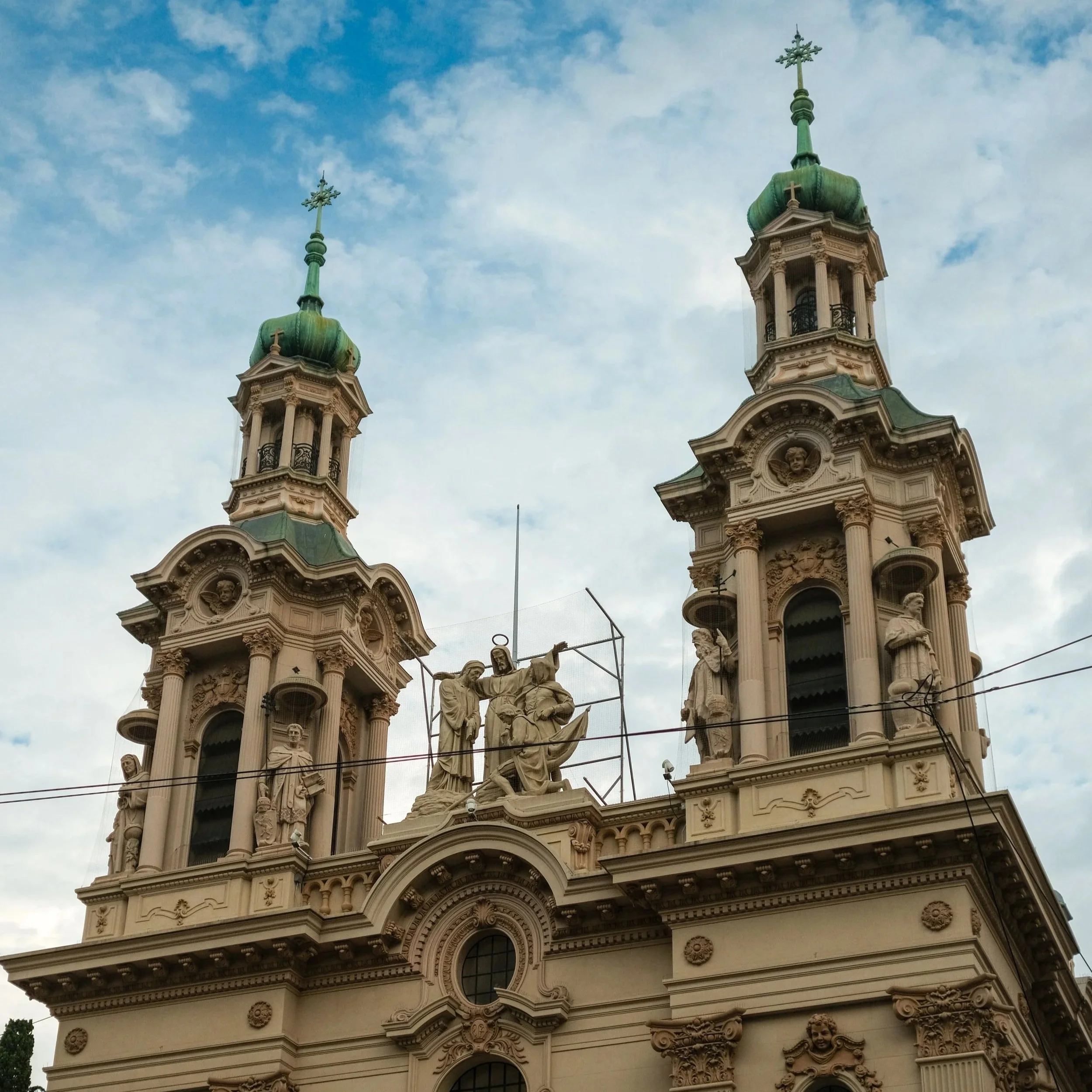
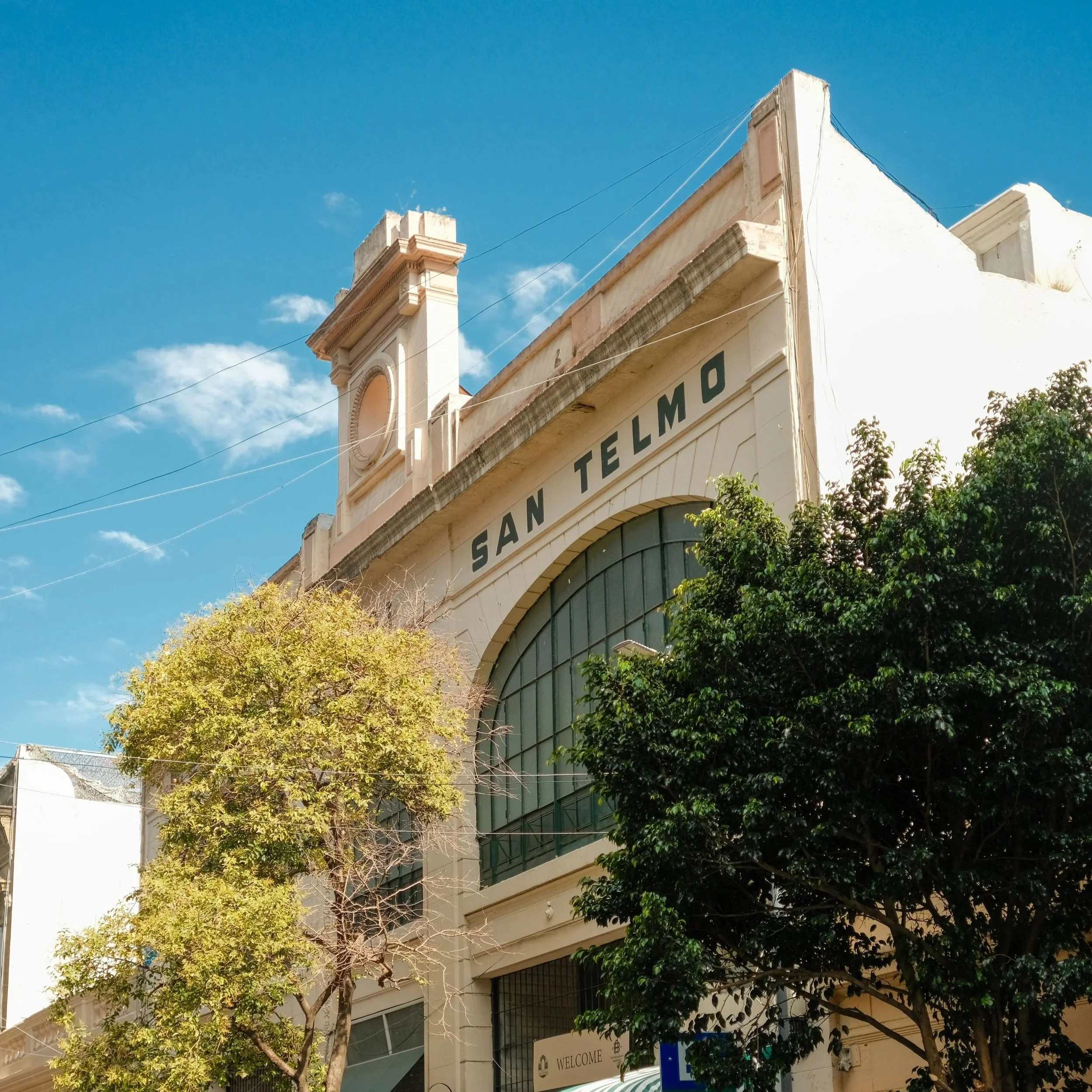
After Patagonia, we made our way north to Buenos Aires, which is quite possibly the most cosmopolitan city we’ve visited in South America. It’s often called the “Paris of South America,” and it’s not hard to see why. Grand boulevards, Belle Époque buildings, ornate façades, and wrought-iron balconies give the city a distinctly European feel. The lifestyle reflects that influence too, with trendy bars, boutiques, and cafés lining the streets - especially in Palermo, where we stayed. Our days were spent exploring different neighborhoods, visiting museums, wandering through artisan markets, and generally enjoying the rhythm of city life.
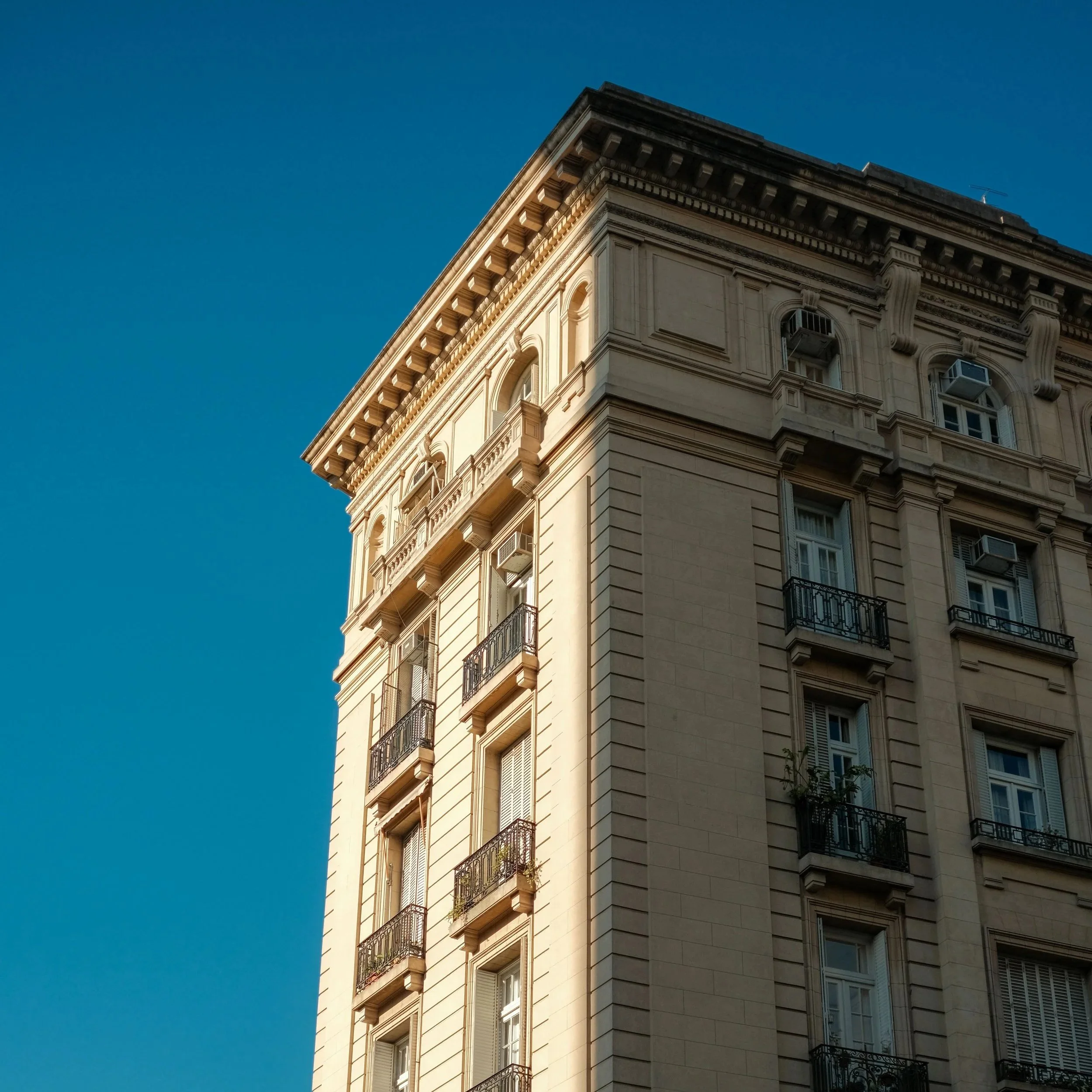
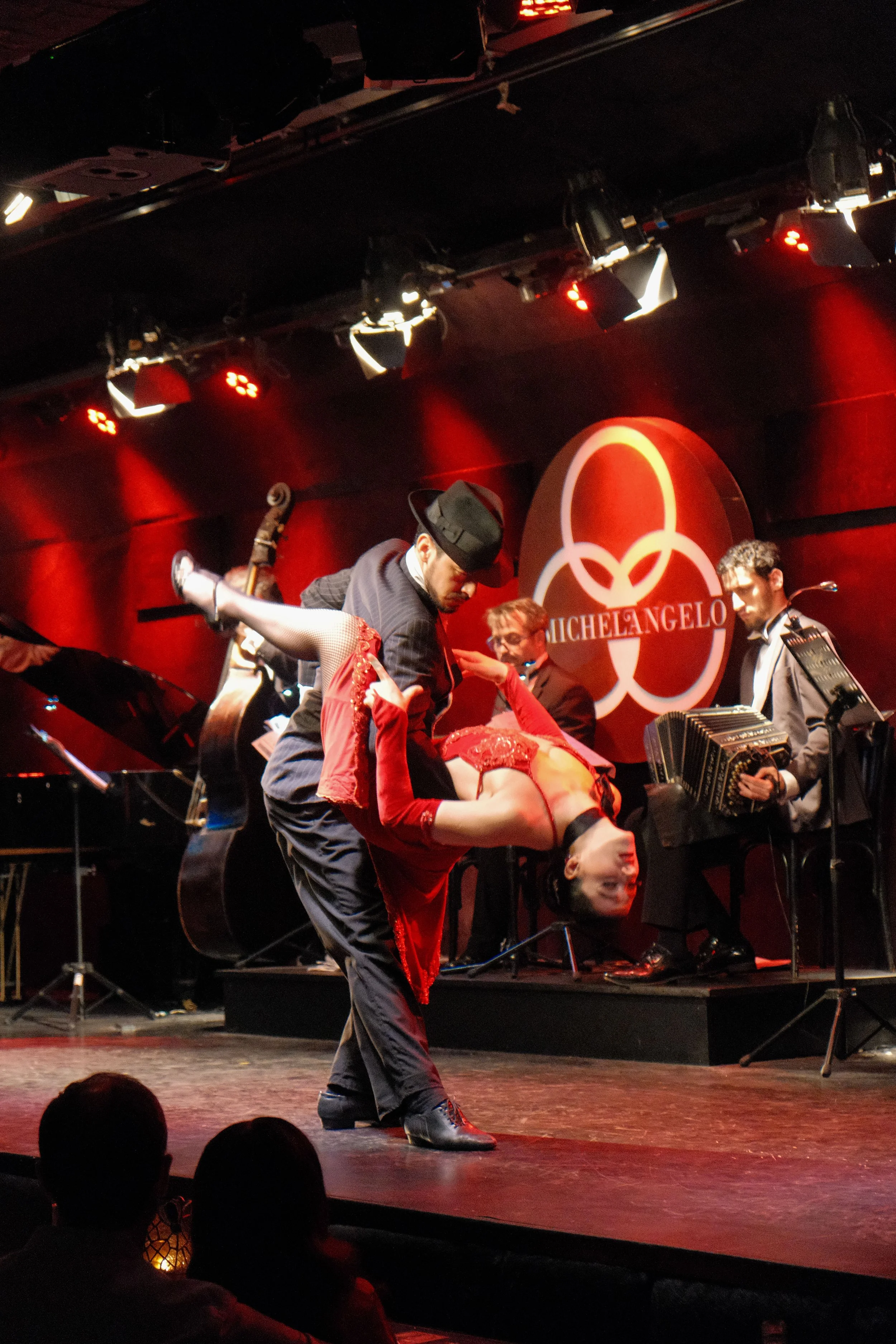
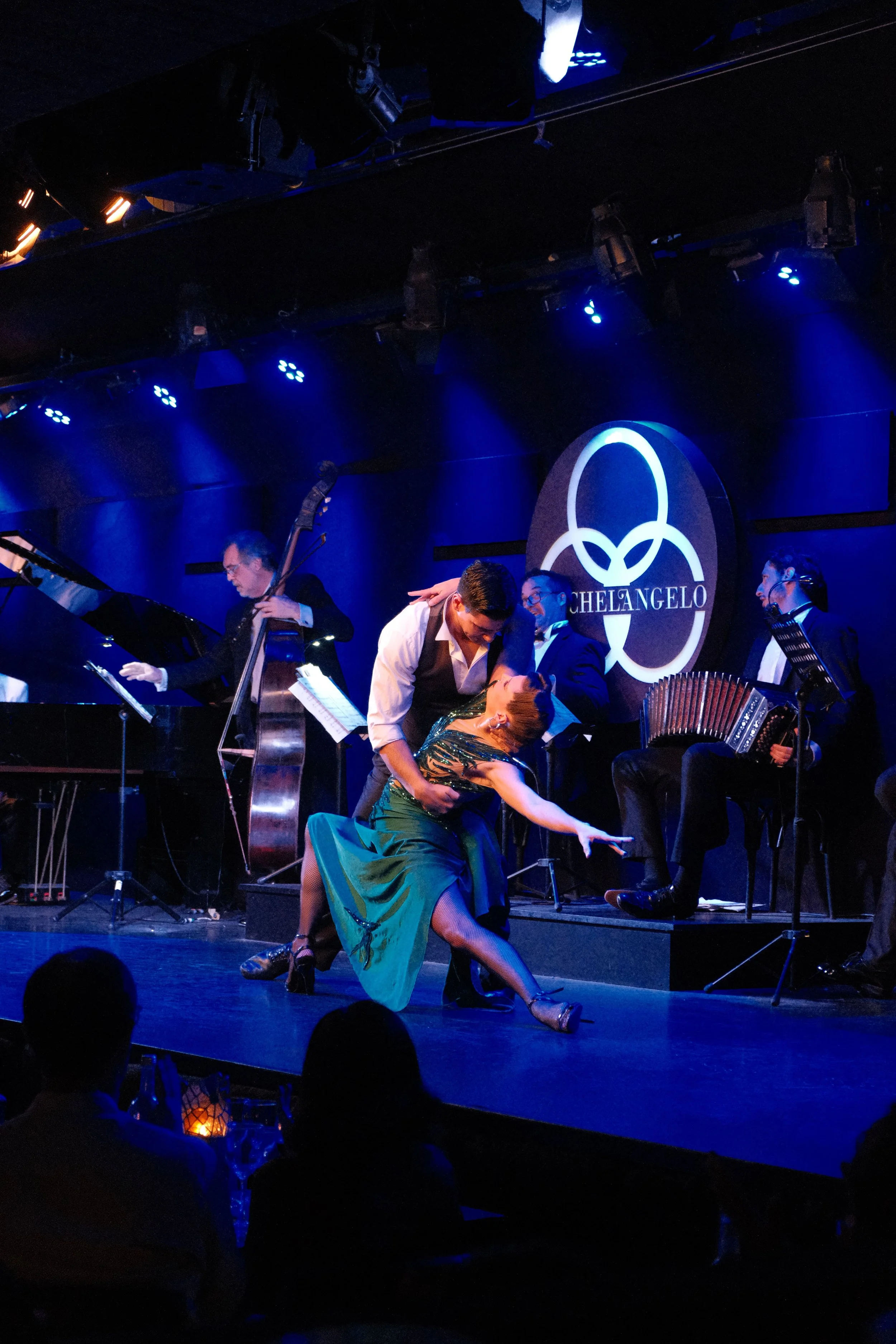
On our first night, we dove straight into Argentine culture with a tango show. The evening began with a leisurely dinner - steak, of course, and copious amounts of wine - before the lights dimmed and the curtains rose. For the next two hours, I was completely captivated by the musicians, singers, and dancers. Every twirl, leg flick, and dramatic dip told a story, and the atmosphere buzzed with passion and intensity. It was easily one of my favorite shows we’ve seen on this trip.
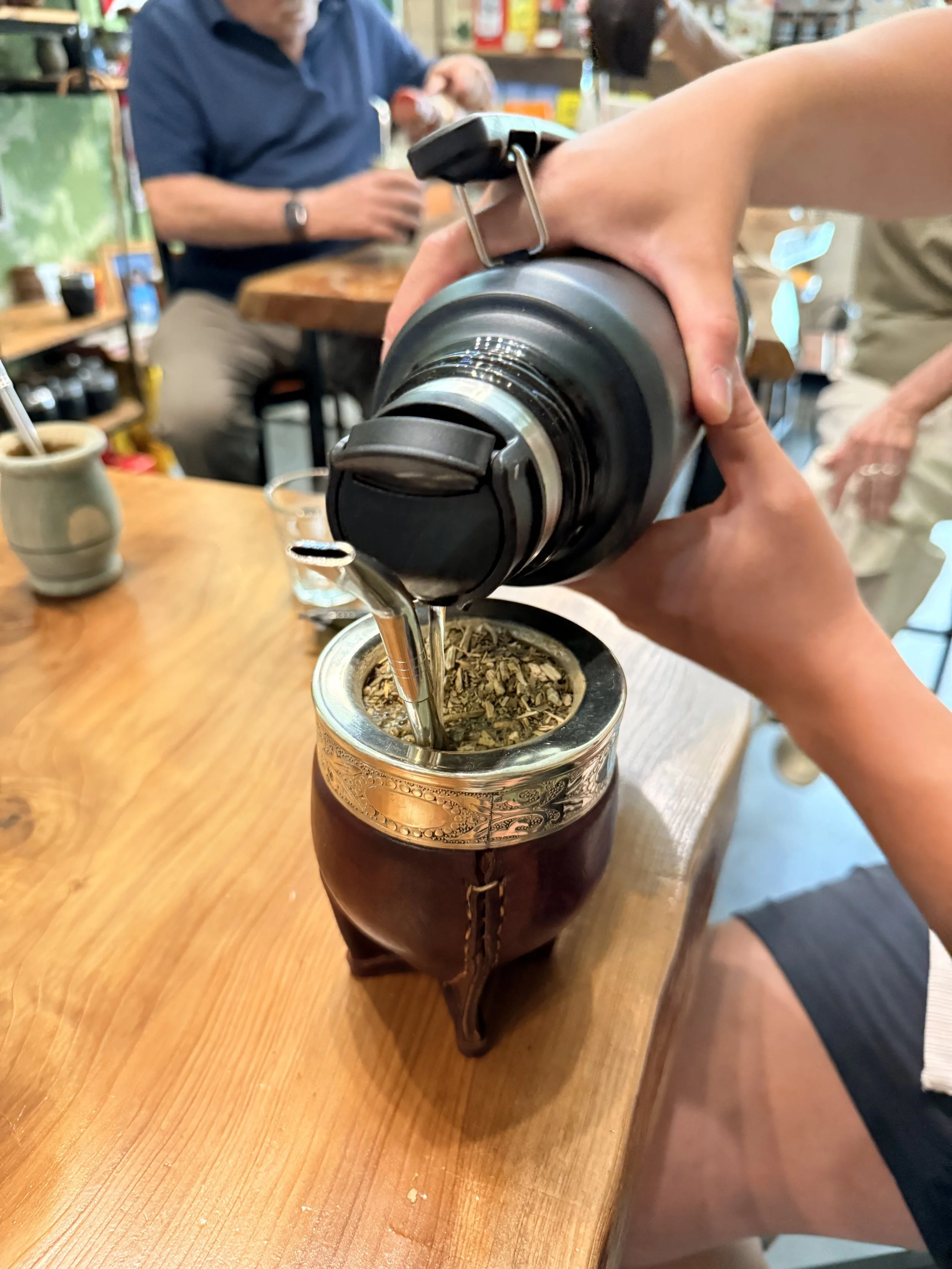
The following day, we signed up for a yerba mate (pronounced yer-ba ma-tay) class to learn about Argentina’s national beverage. Before this, my only experience with yerba mate had been the canned version from Whole Foods, which Christian, our instructor, quickly clarified was not authentic (though he graciously admitted it was delicious). Traditional yerba mate is more like a tea, made from dried leaves of the Ilex paraguariensis plant, steeped in hot water and sipped through a metal straw from a hollow gourd or cup known as a mate. We started by tasting it (earthy and a little bitter, in a good way) before learning how to properly prepare our own cups.
My favorite part of the experience was learning about the culture surrounding yerba mate. Argentinians consume roughly 100 liters (about 22 gallons) per person each year, which translates to multiple cups a day. It’s often part of breakfast and it’s deeply woven into social life. When friends gather, one person takes on the role of the “yerba master,” responsible for bringing the supplies, preparing the mate, keeping it circulating, and refilling the water. Everyone shares a single cup and straw, which I found questionable from a hygiene standpoint, but symbolically powerful. Sharing mate signals trust, friendship, and belonging.
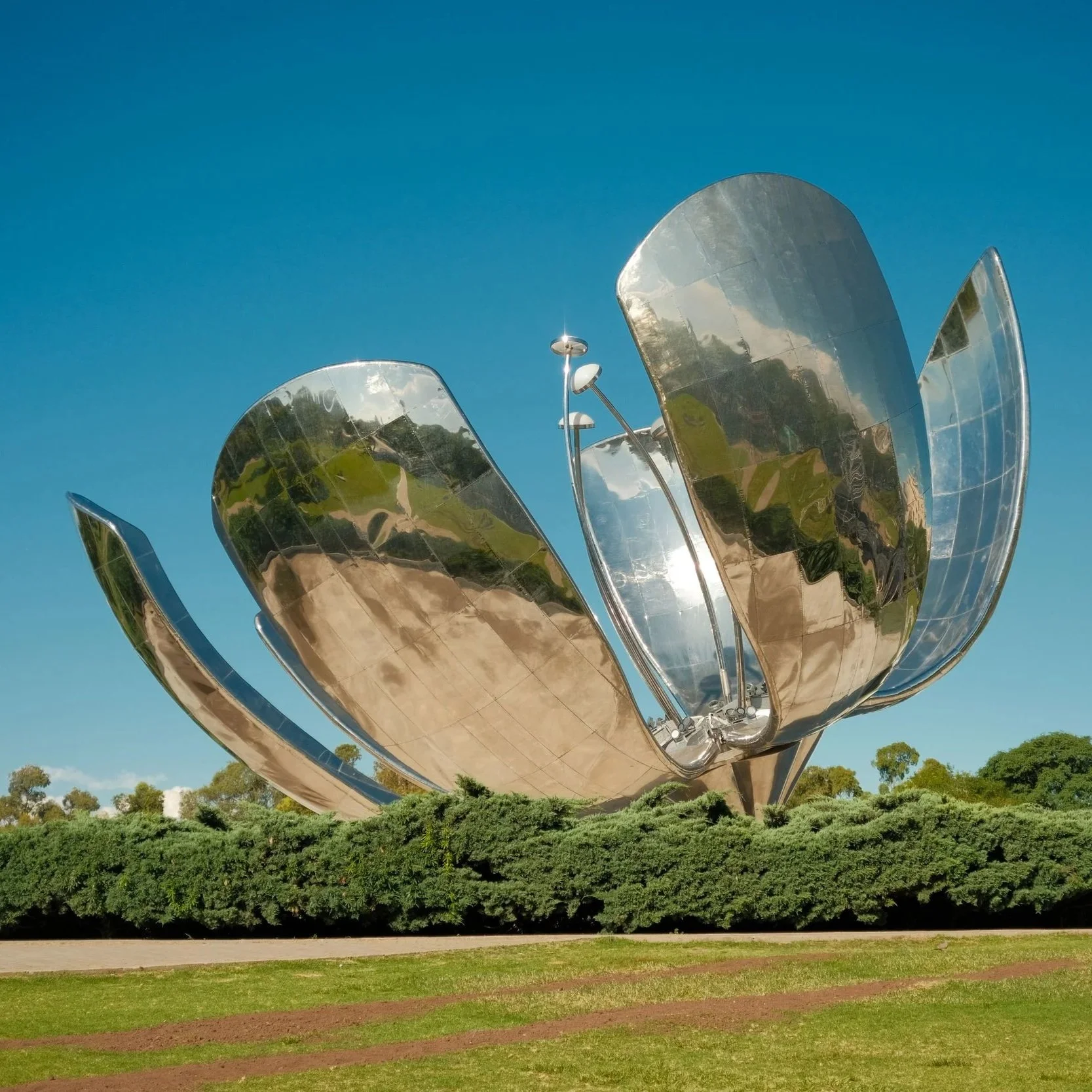
The prominence of yerba mate really came to life the next day when we walked through a park to visit the Floralis Genérica, a giant metal flower sculpture. The grass was dotted with friends and families lounging in the sun, and nearly every single group was passing around a cup of yerba mate. Even coffee culture in the U.S. hasn’t reached that level of pervasiveness.
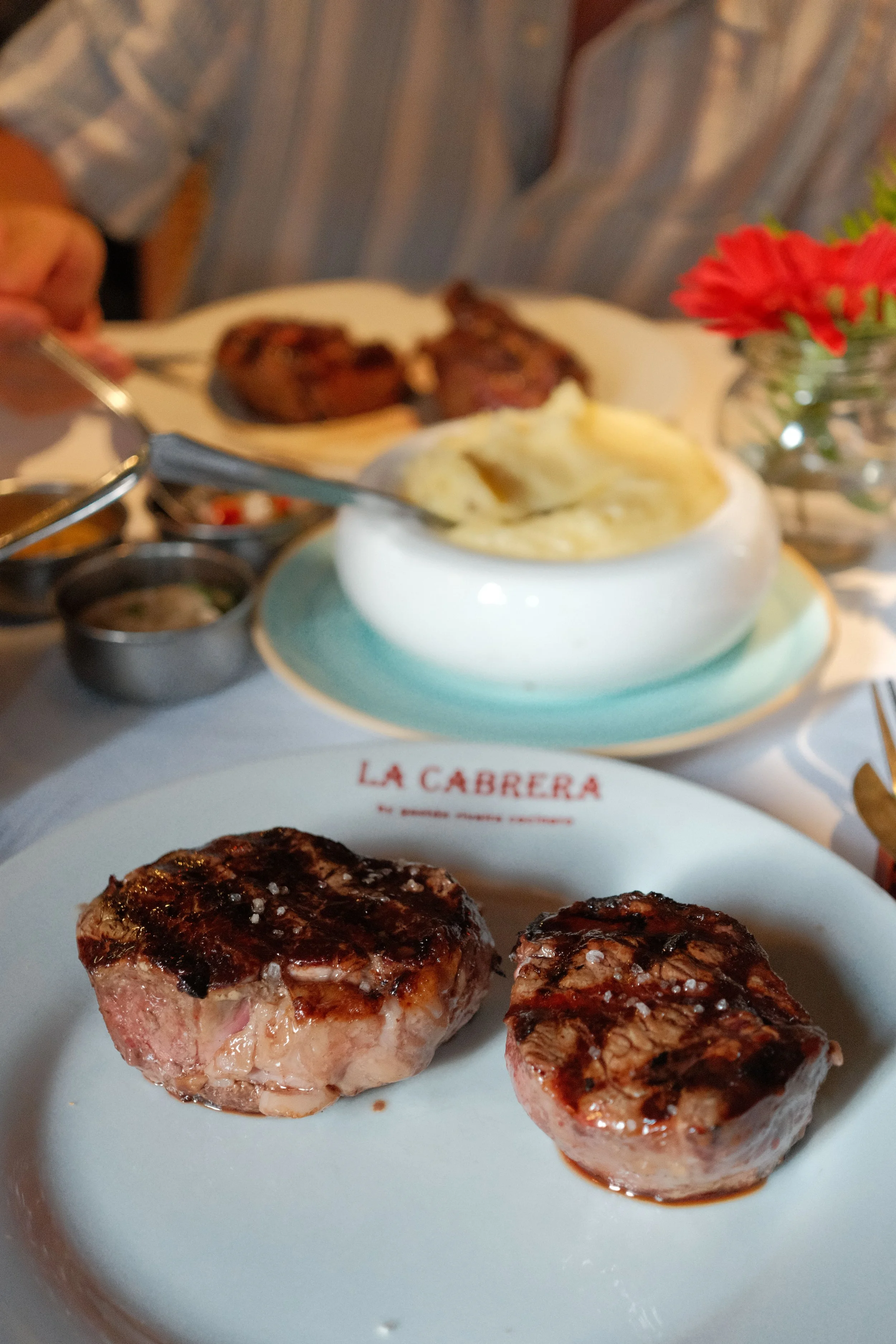
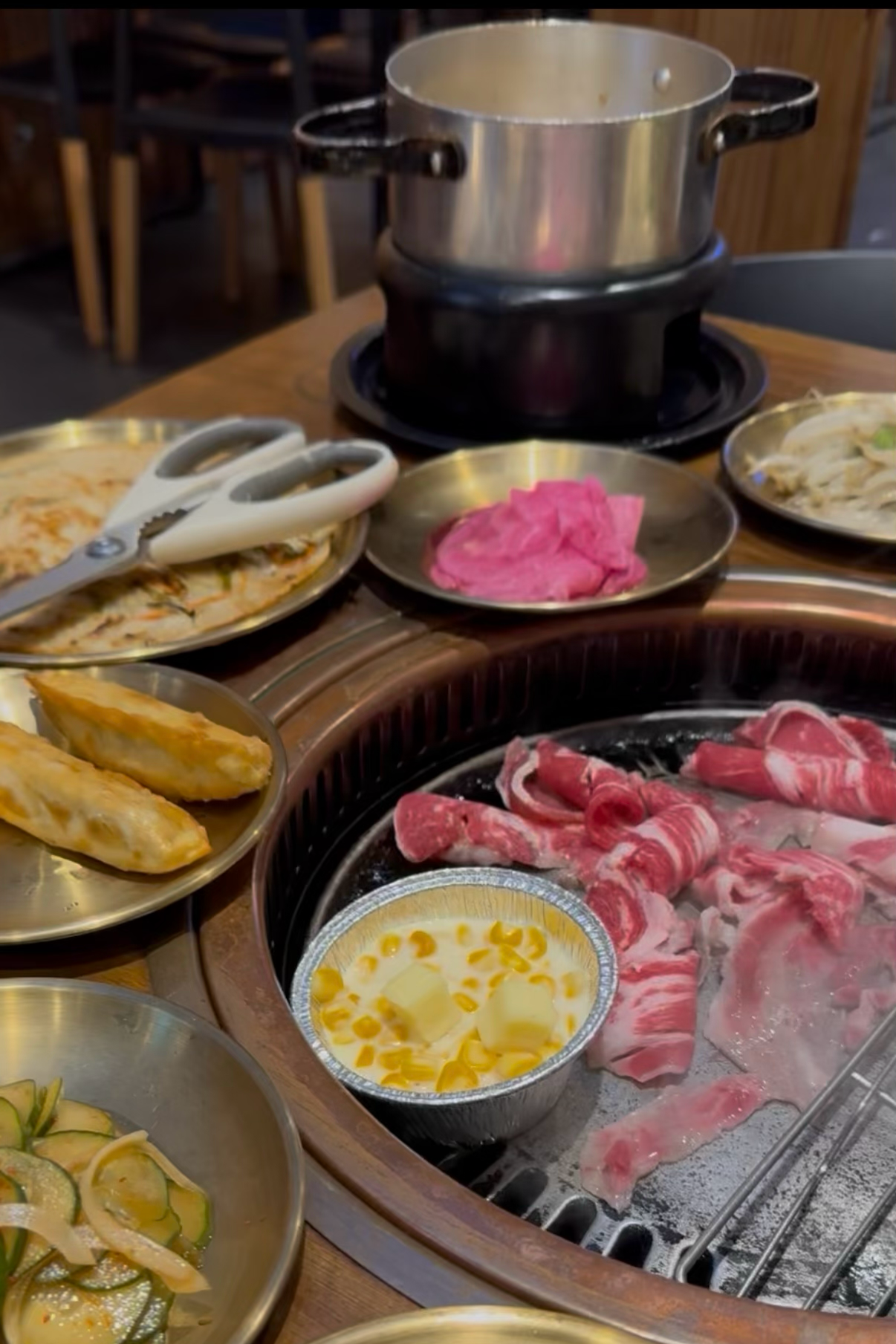
Of course, no visit to Buenos Aires would be complete without Argentine steak. One night, we had dinner at La Cabrera, where we shared a massive 600g portion of filet mignon cooked perfectly - tender, juicy, and full of flavor. Outside of that, one of our best meals of the week was surprisingly at a Korean BBQ restaurant. I usually start craving Asian food after three or four days without it, while Hanqing prefers to eat as locally as possible. My (half-joking) suggestions to seek out the lone Chinese or ramen spot in a neighborhood are usually shot down, but Korean BBQ is one of the rare compromises that works for both of us. It satisfies my Asian food cravings and Hanqing’s love of meat, while still feeling loosely aligned with Argentina’s grilling culture. This place absolutely delivered, with high-quality beef and excellent banchan - and we both left very happy.
Magnificent Iguazu
After five days in Buenos Aires, we flew to Iguazú Falls, one of the most spectacular natural wonders we’ve seen on this trip. The falls sit at the border of Argentina and Brazil, with Paraguay just a few kilometers away. Our arrival was a little scary, as the pilot had to make multiple landing attempts through a thunderstorm, but we touched down safely in the end.
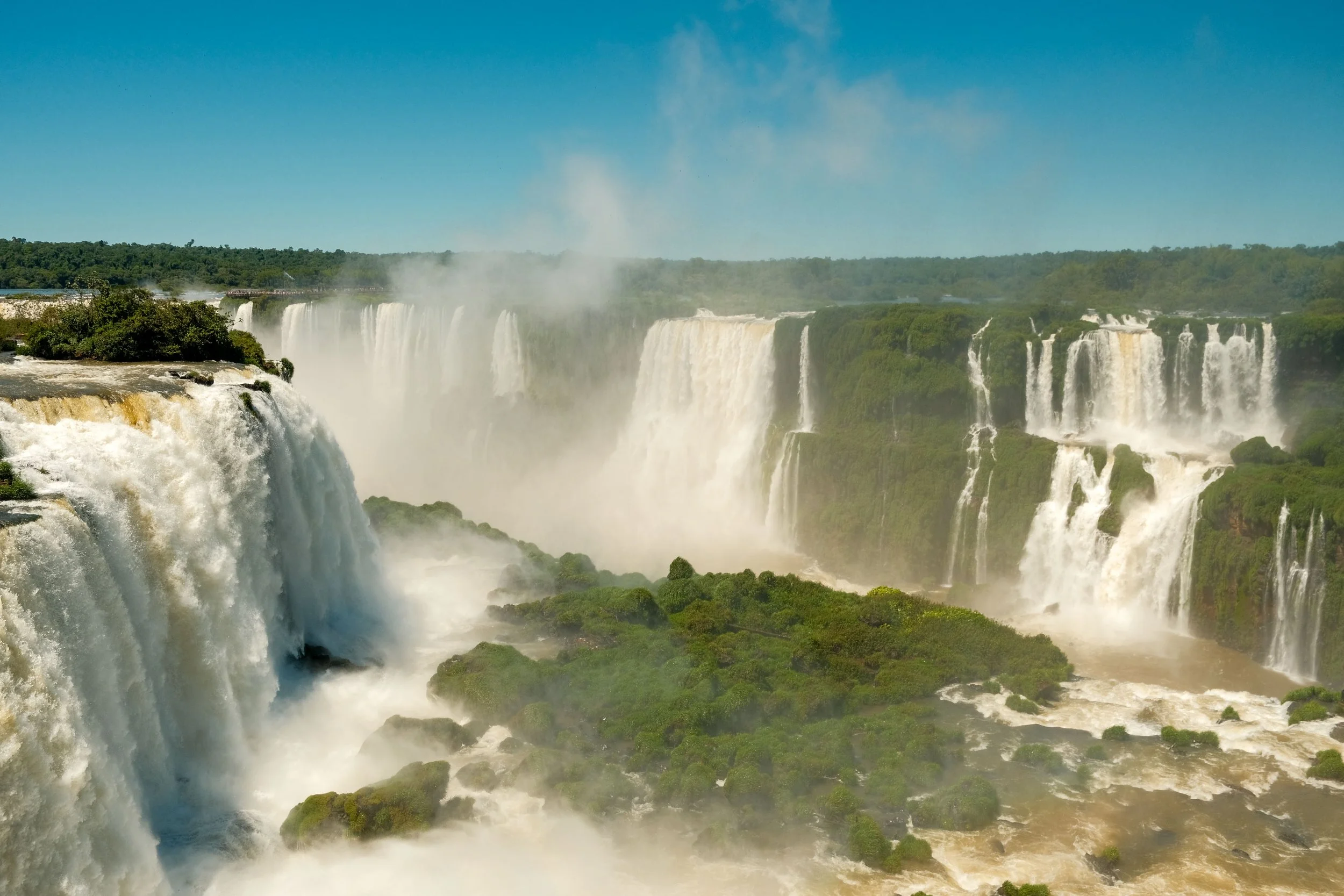
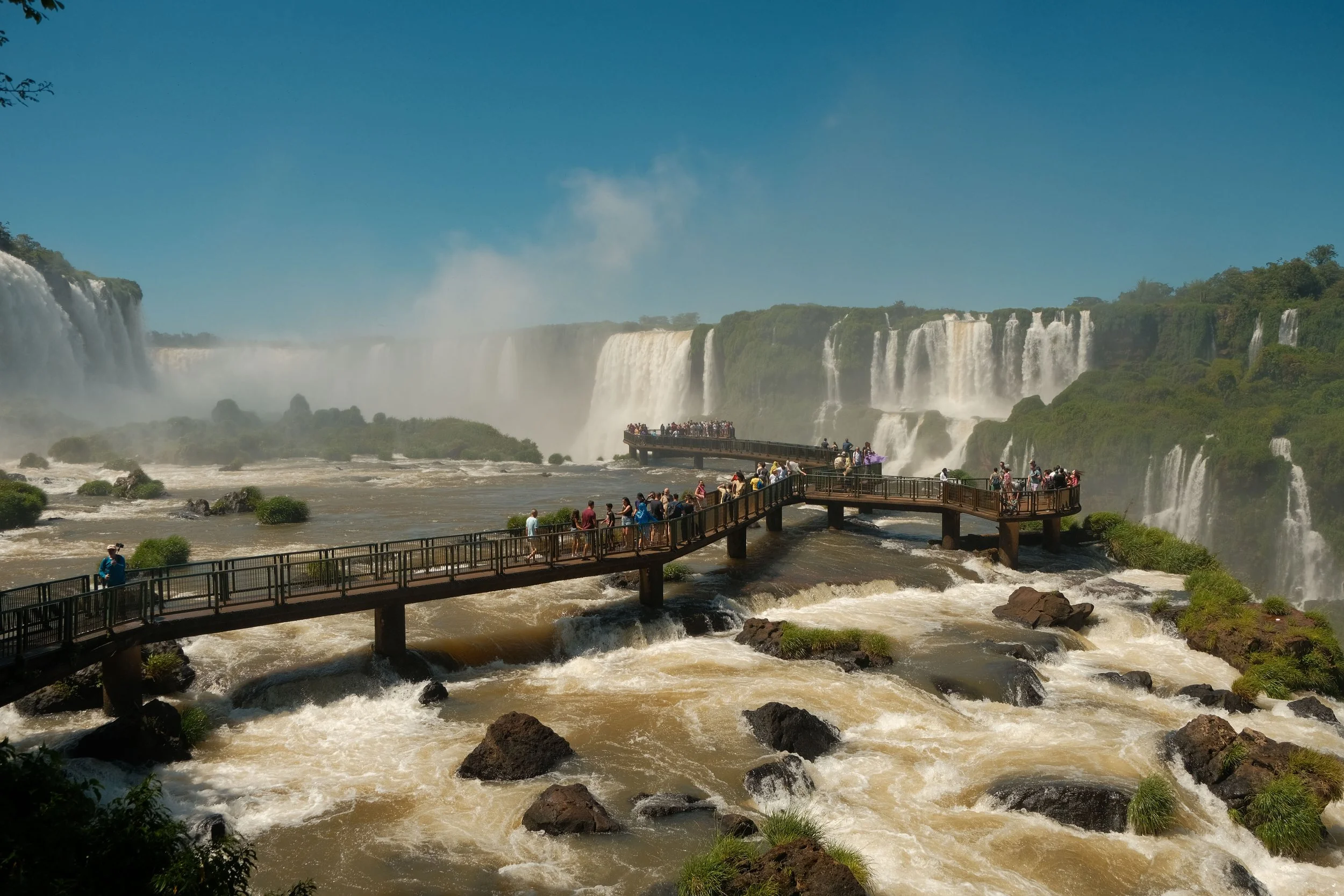
We stayed on the Argentine side and visited those falls first. Overnight, the torrential rain cleared, giving way to a bright, sunny day. We followed winding paths through the rainforest, past smaller cascades, until Iguazú suddenly appeared before us. And wow, did it exceed my expectations. I’ll admit, I’ve never been a huge “waterfall person” (it’s a running joke between Hanqing and me that I’m unimpressed by Niagara Falls). But Iguazú is on an entirely different level. Calling it a waterfall almost feels wrong - it’s more like hundreds of waterfalls (275 to be exact) crashing together at once.
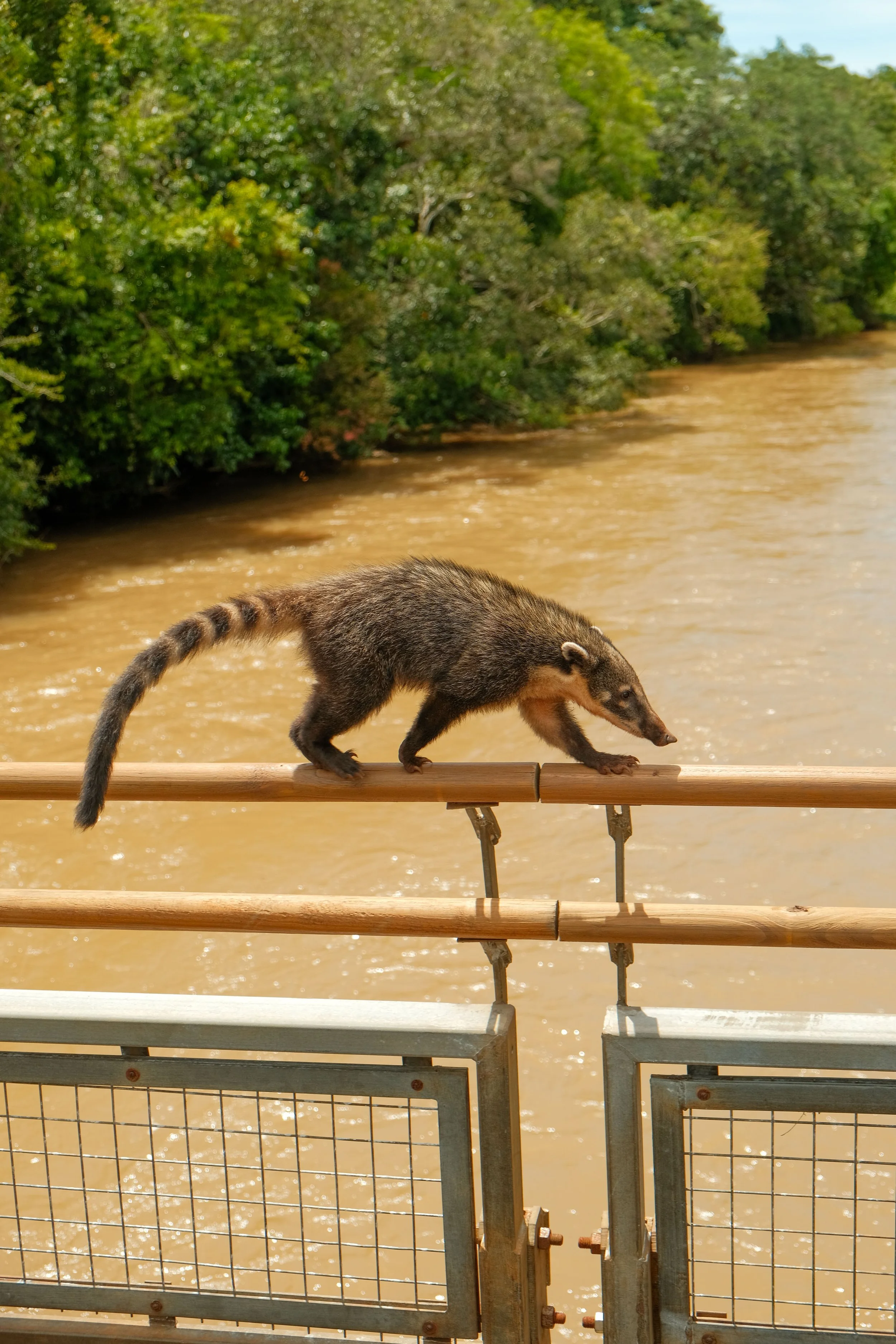
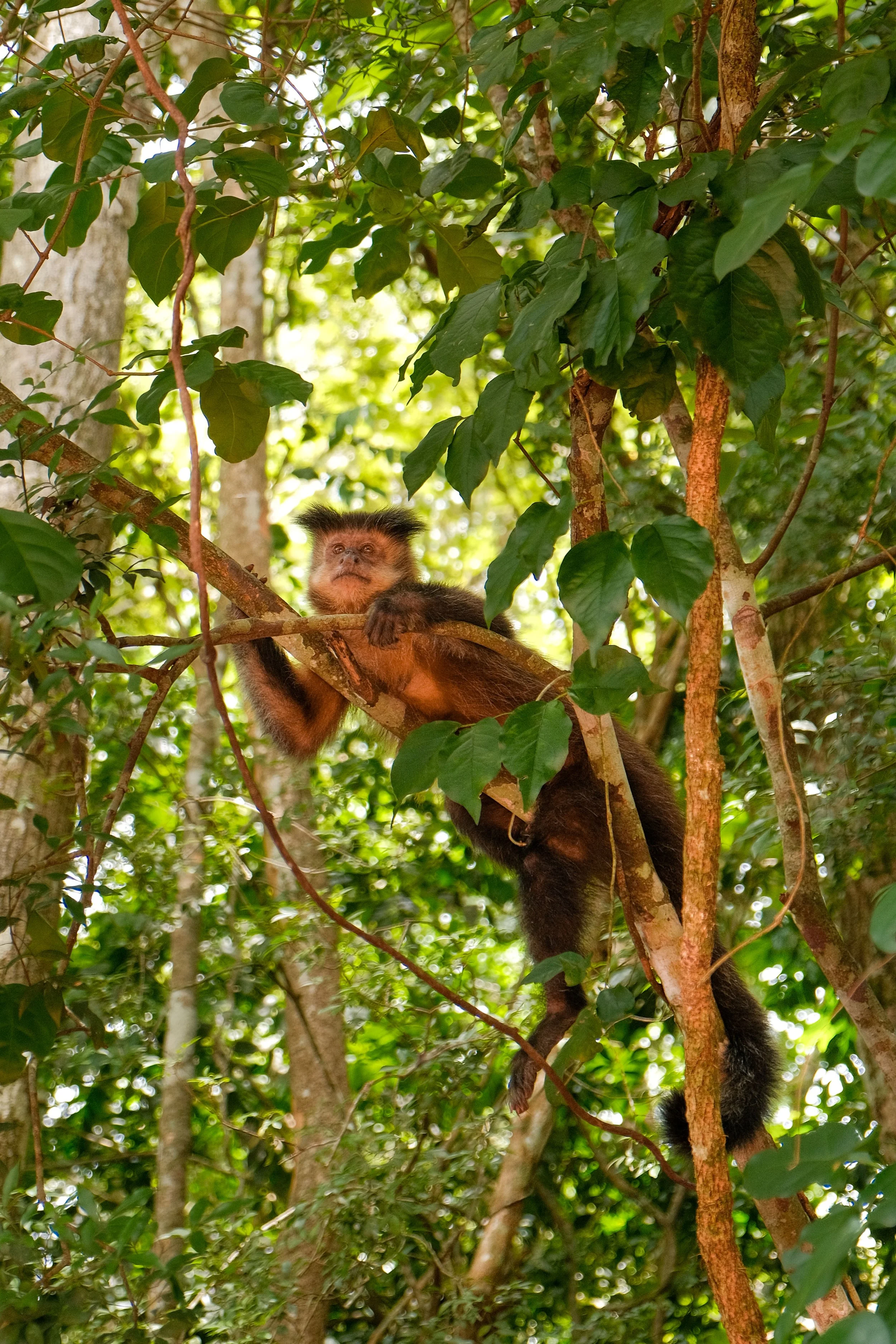
As we walked along the trails, we spotted capuchin monkeys and coatis, raccoon-like mammals with long snouts. At one point, a few coatis climbed down from a tree onto the pedestrian walkway and scurried across with purpose. Soon, more emerged from both sides of the forest, all converging on the same spot before disappearing again. It almost seemed like they were heading to an important meeting that they didn’t want to miss.
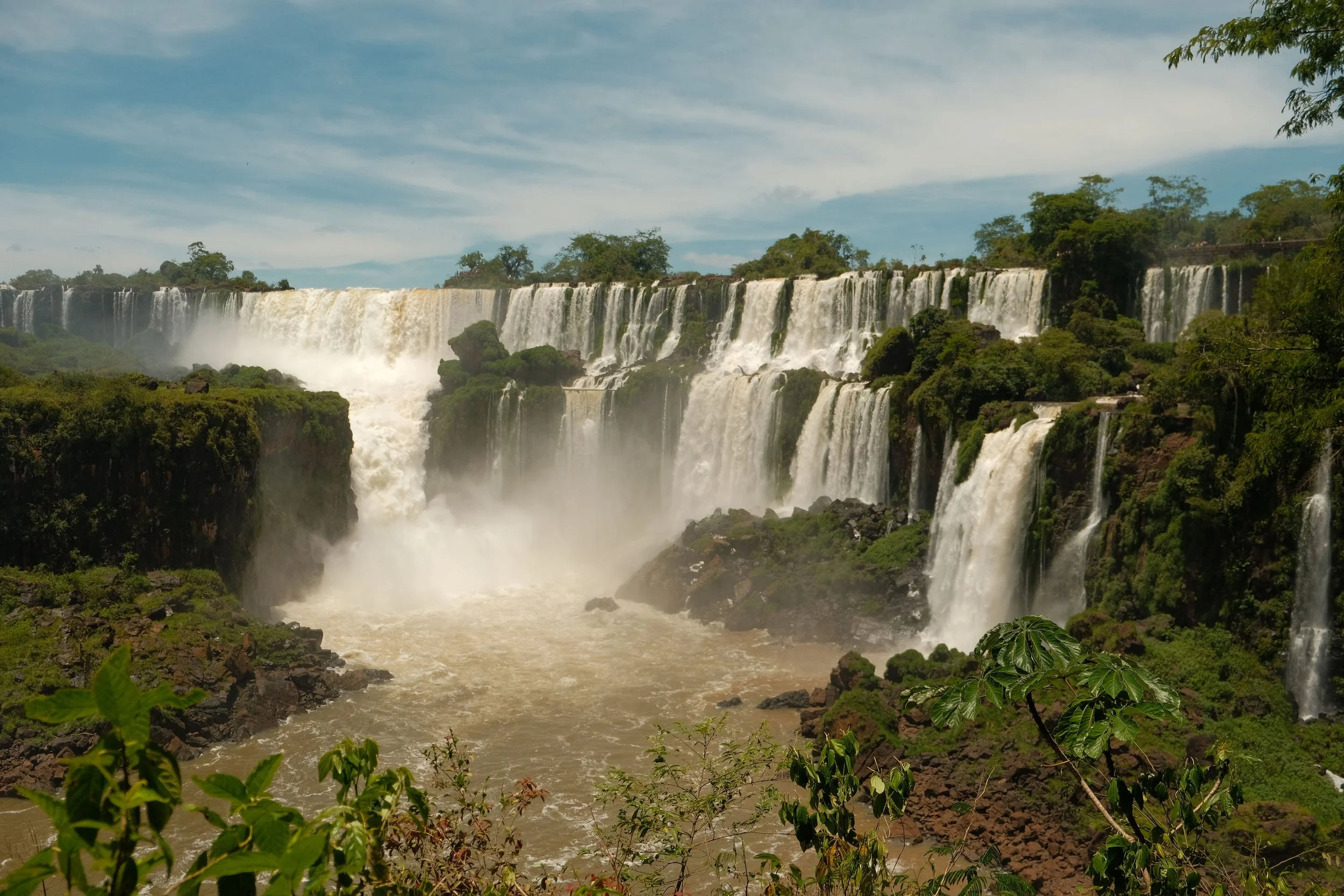
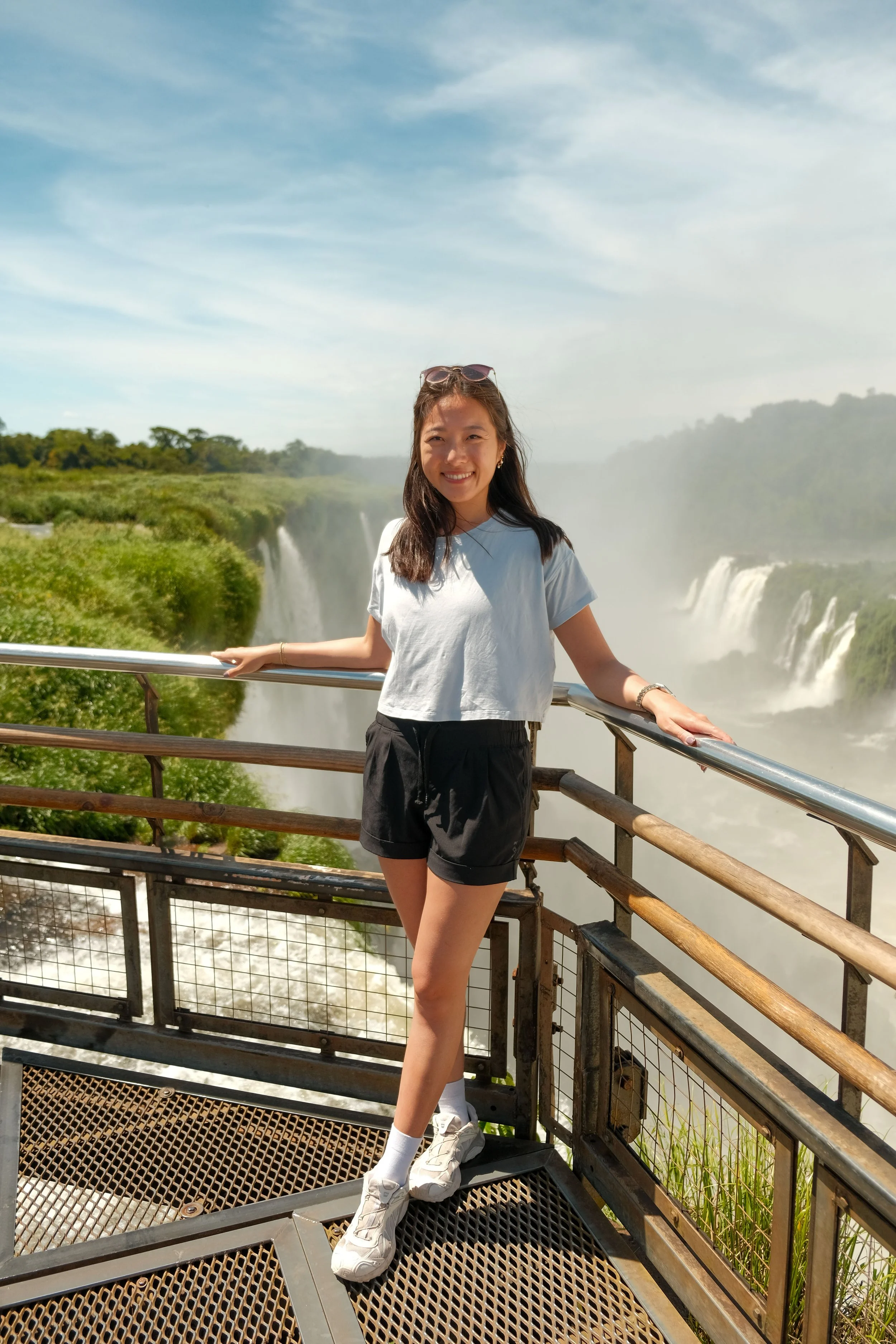
The next day, we crossed into Brazil (country number fourteen!) to see the falls from the other side. While the Argentine side brought us up close - both above and below the falls - the Brazilian side offered sweeping panoramic views from across the river. Personally, I found those views even more jaw-dropping. The highlight was a metal catwalk extending over the river, placing us right in the mist and roar of the Devil's Throat, the most intense section of the falls. We only had one poncho (which we brought all the way from the Perito Moreno glacier boat ride in Patagonia), so we took turns walking out to Devil’s Throat, feeling the mist and vibrations of the falls.
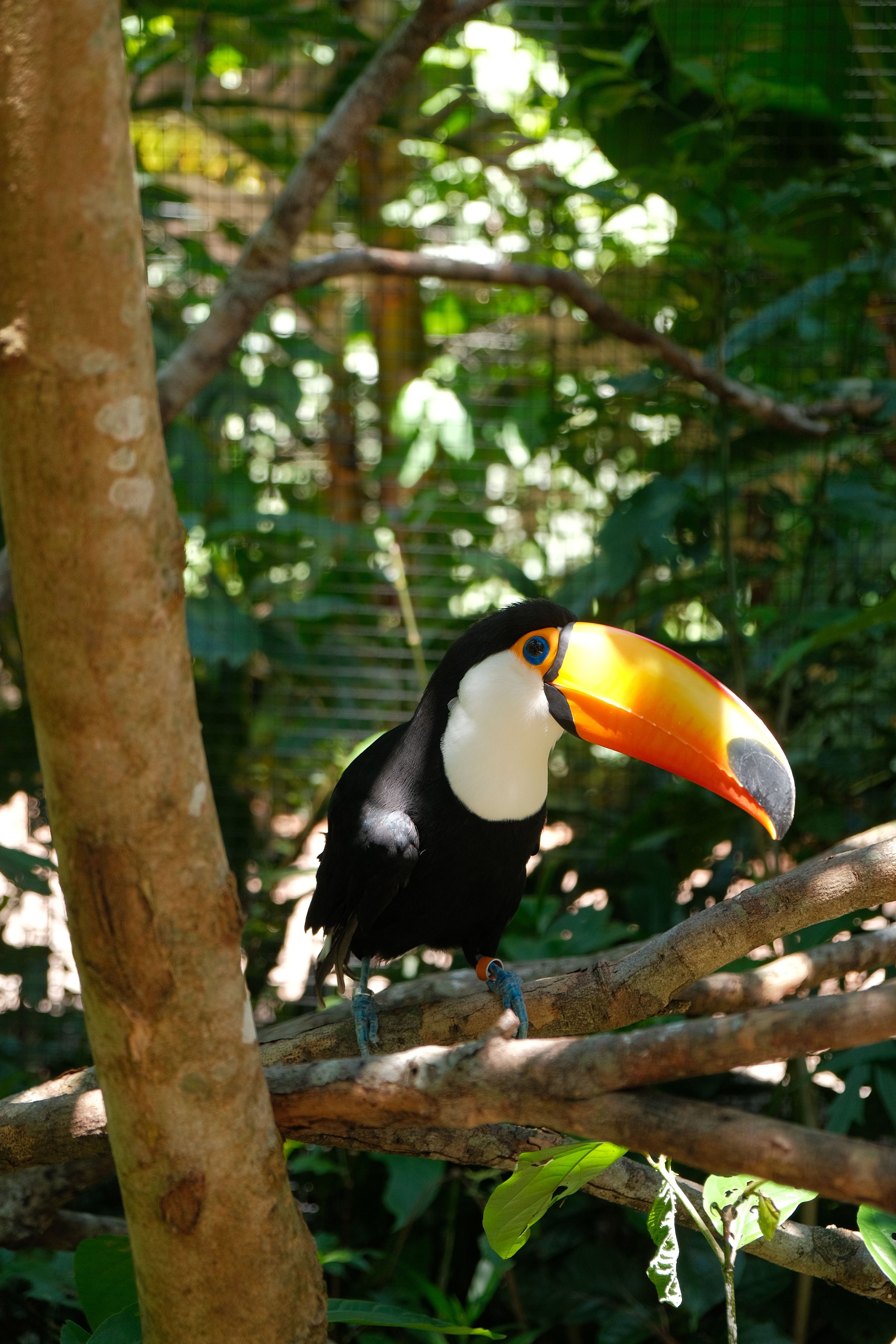
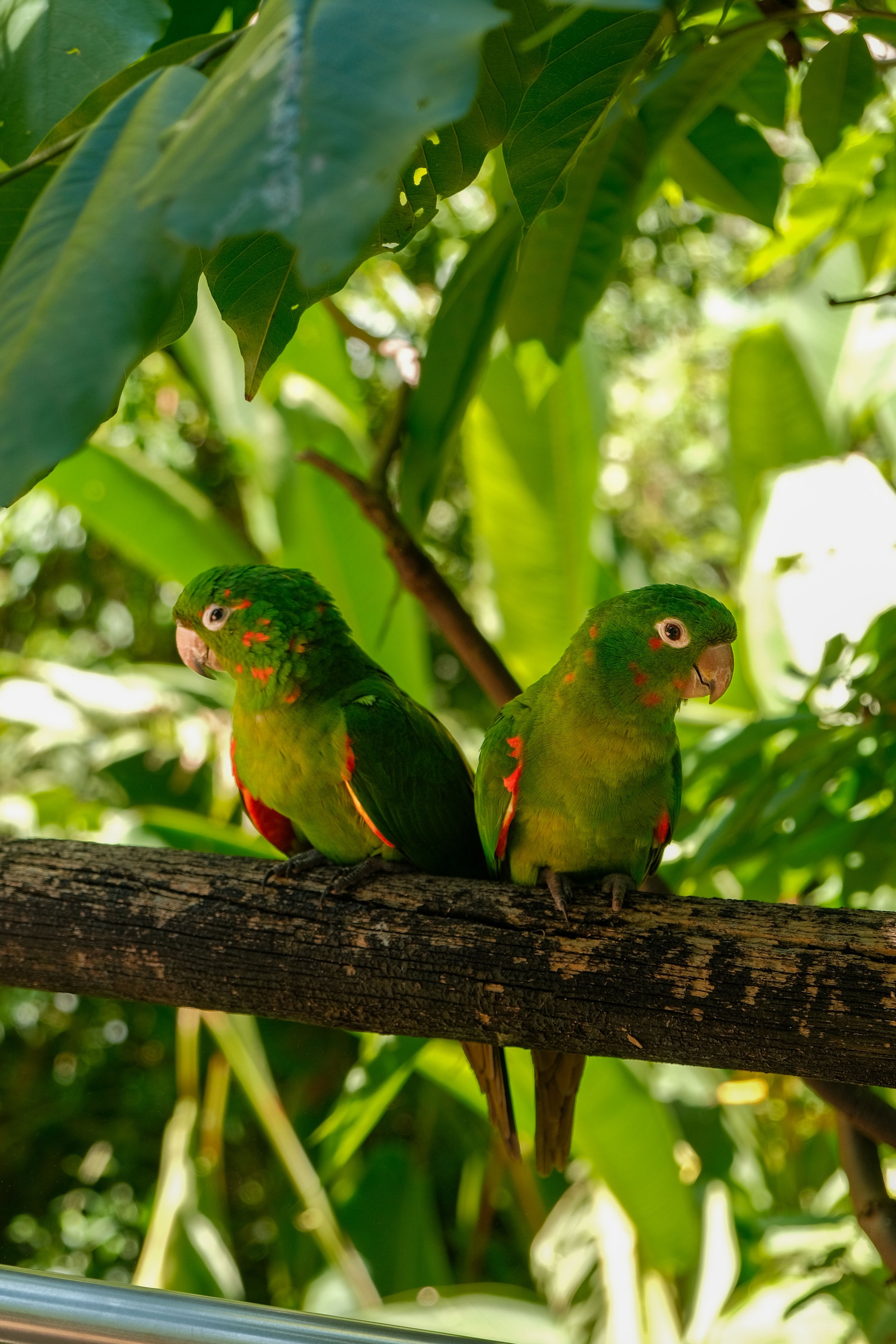
We ended the day at Parque das Aves, the bird park located just across from the falls that focuses on rescue and Atlantic Rainforest conservation. Home to more than 1,000 birds from over 150 species, the park’s lush Atlantic rainforest trails felt like stepping into a nature documentary. We walked through and admired flamingos, toucans, parakeets, and countless other vividly colored birds. It was a peaceful, fitting way to close out our chapter in South America.
By The Numbers
Since it’s the end of the year - and because I can’t resist nerding out over stats - here are a few travel highlights from 2025 (we started our world trip at the end of August, but this reflects data from the whole year):
15 countries visited (excluding layovers)
5 continents visited
46 flights taken
76,000 miles flown (3X around the earth)
7 days, 17 hours of flying
39 airports visited
53 hotel rooms / Airbnbs stayed in
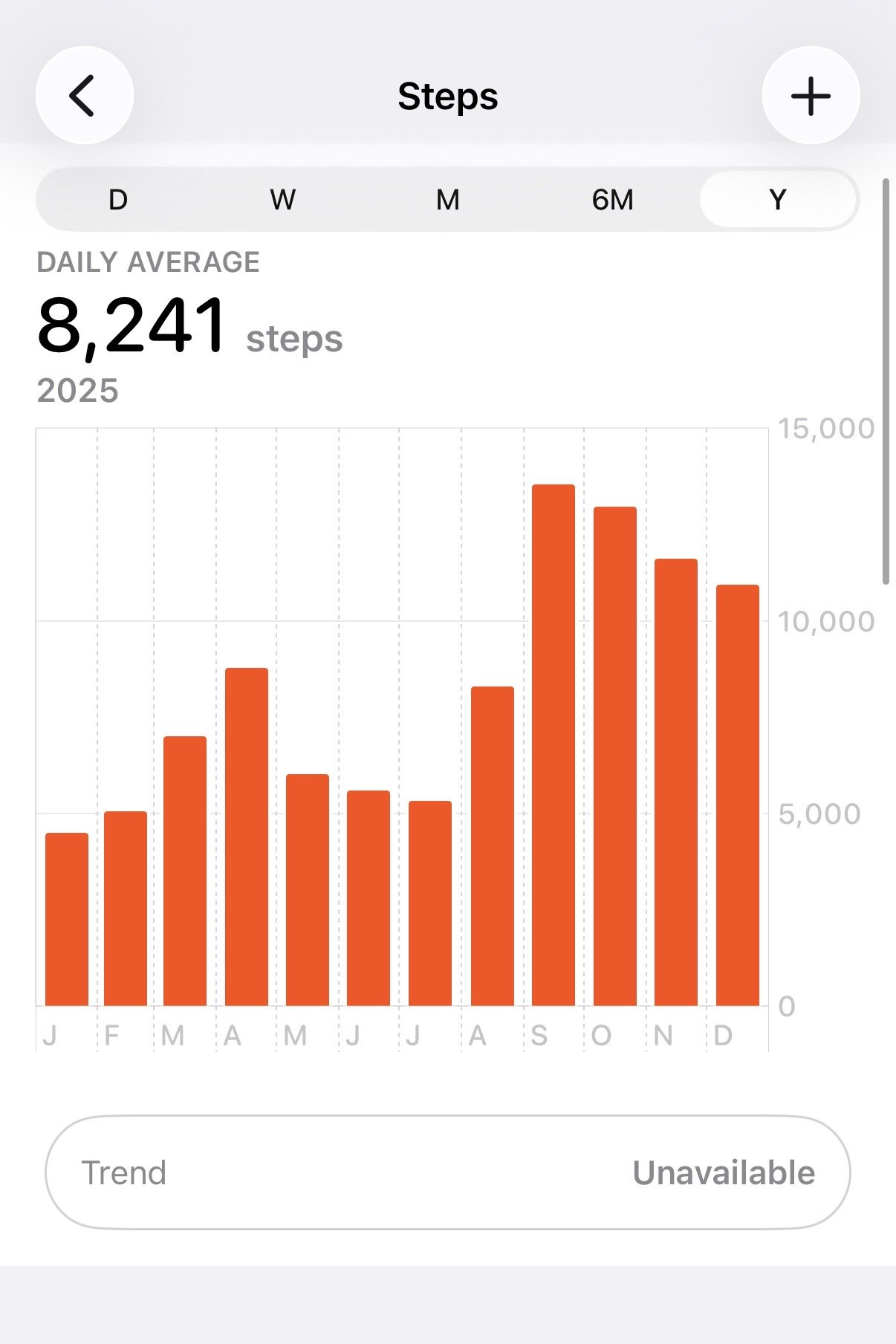
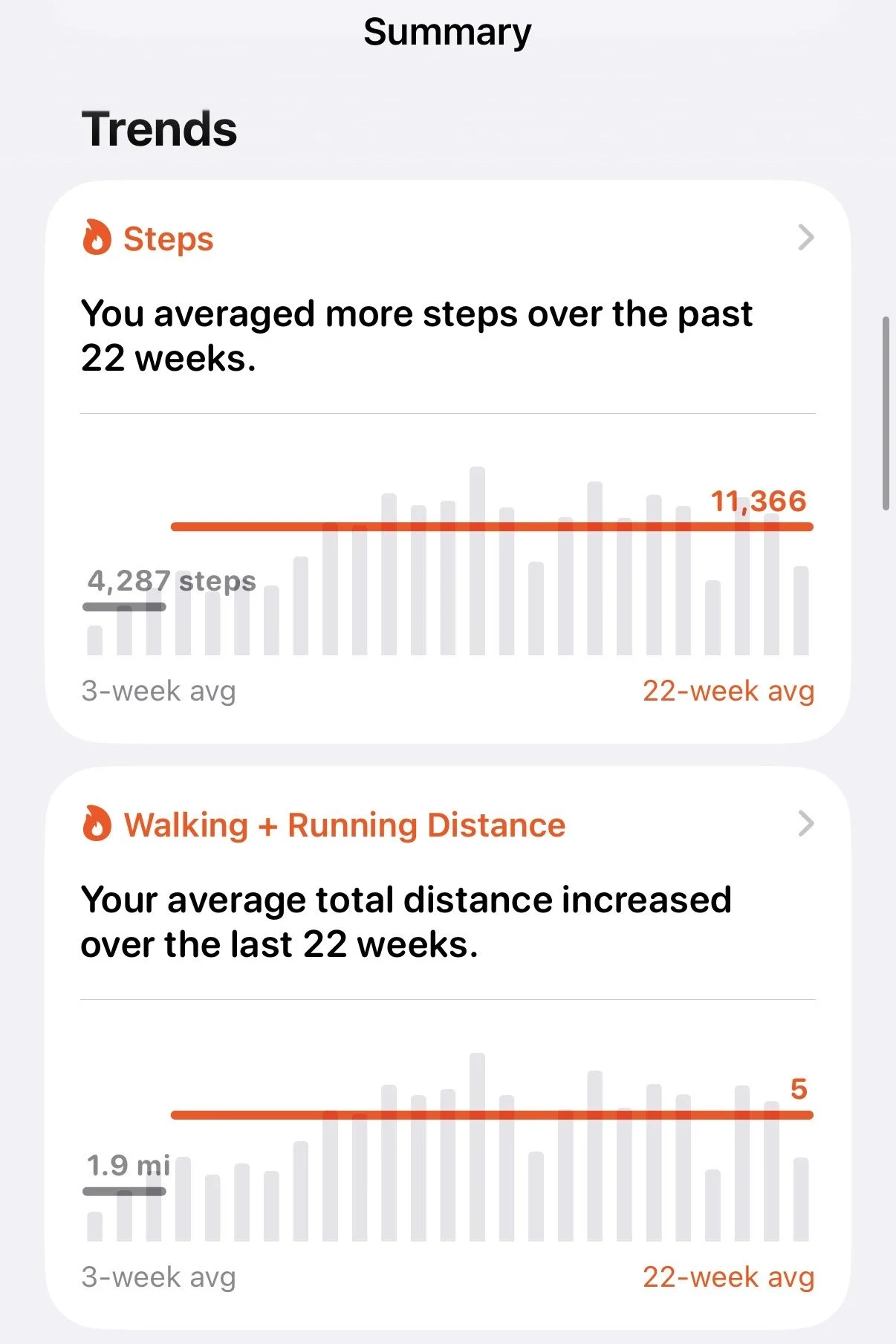
I also found my Apple Health metrics particularly entertaining - my daily step count increased by over 2.5X after quitting my desk job (surprise, surprise).
And that officially wraps up the first leg of our world trip. Thank you so much for following along with our journey this year. Sending the warmest wishes for the holiday season, and see you in the new year.
Talk soon,
Tanya
