
Island Hopping around the Philippines
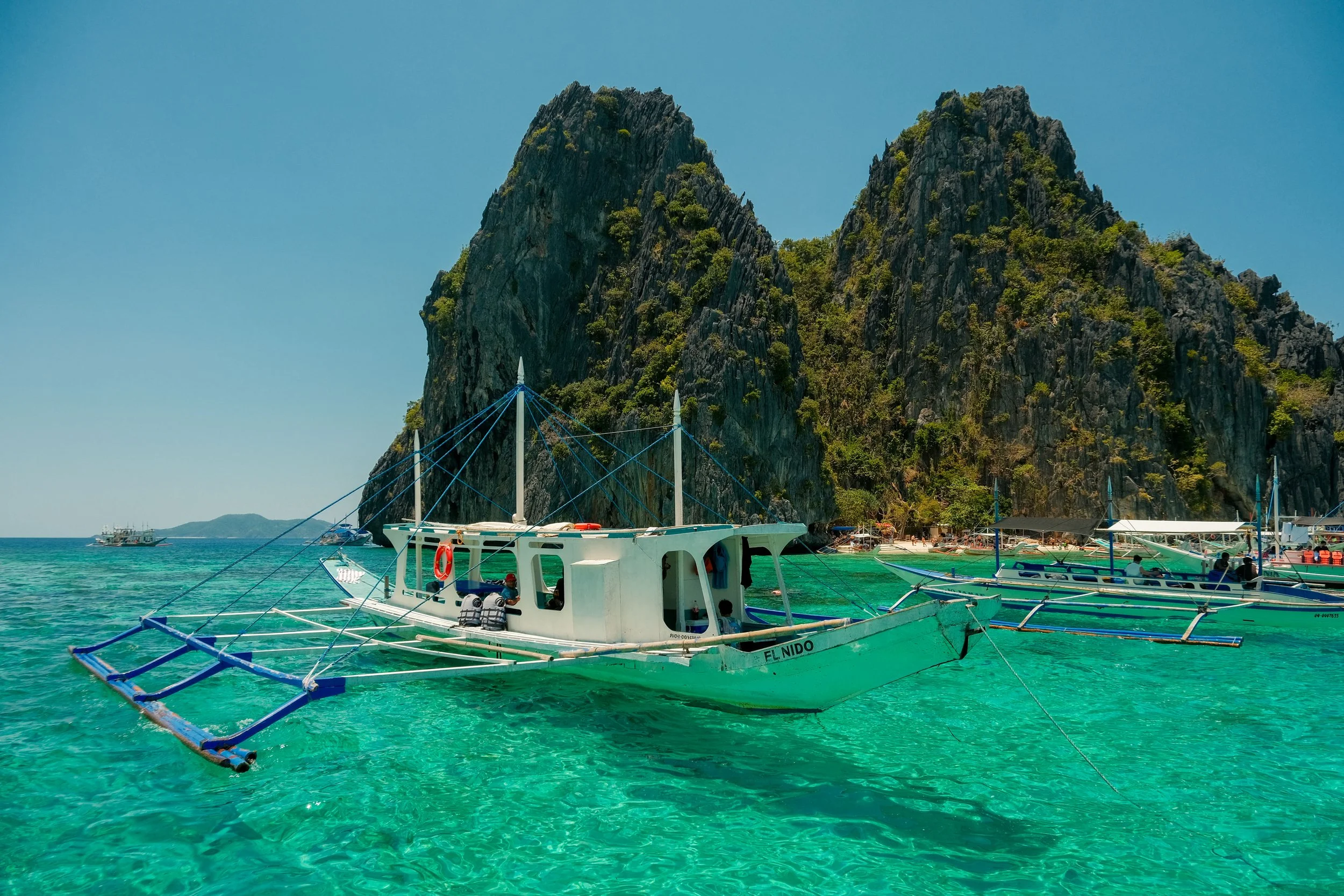
Greetings from the Philippines! Fun fact: the country is made up of more than 7,000 islands, roughly 2,000–2,500 of them inhabited. We’re visiting just three over two weeks: Bohol, Palawan, and Luzon (home to Manila). We’d been especially looking forward to this stretch of the trip, which Hanqing dubbed "the relaxing part of the trip." It's been a welcome reset of beach days, snorkeling, napping, and eating.
Bohol
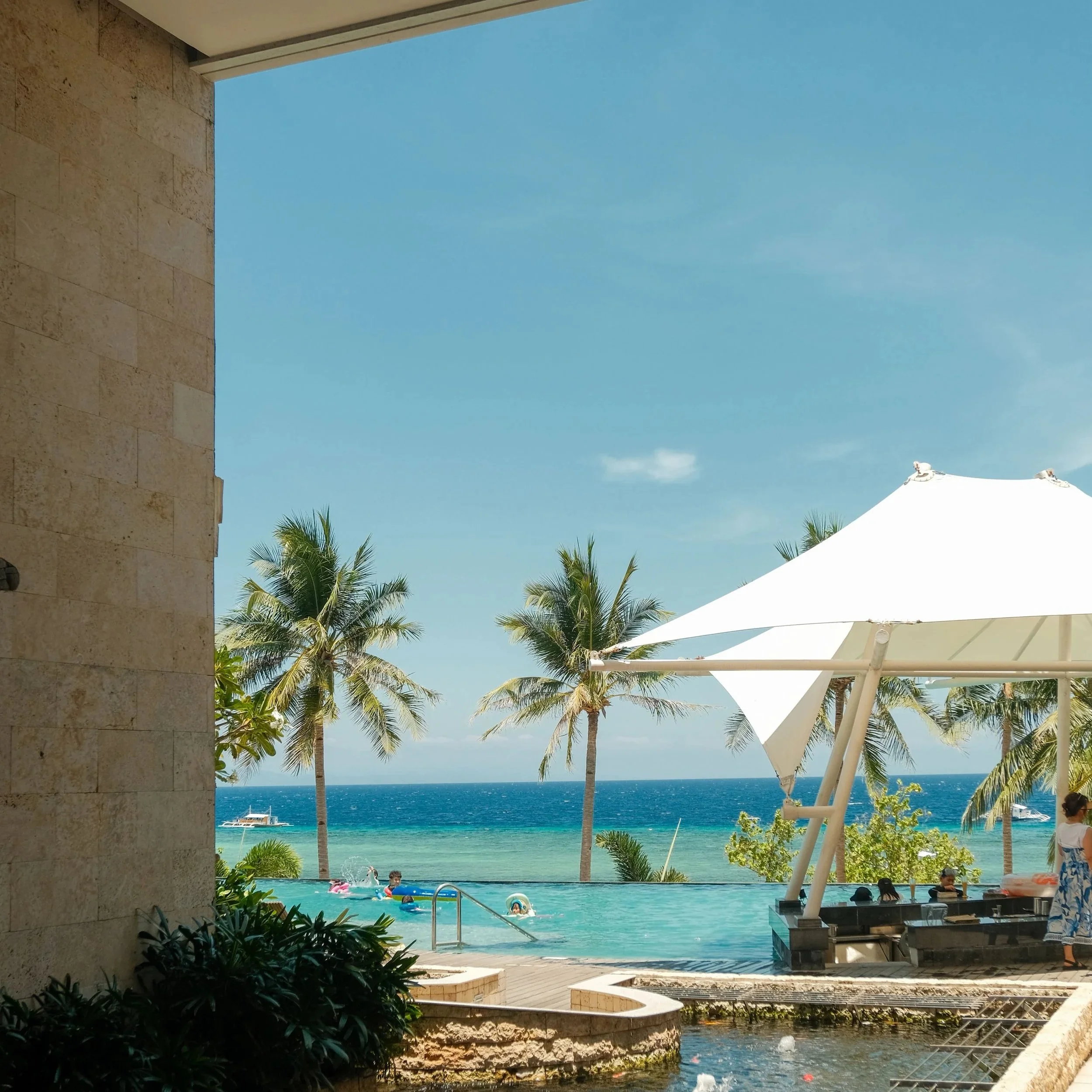
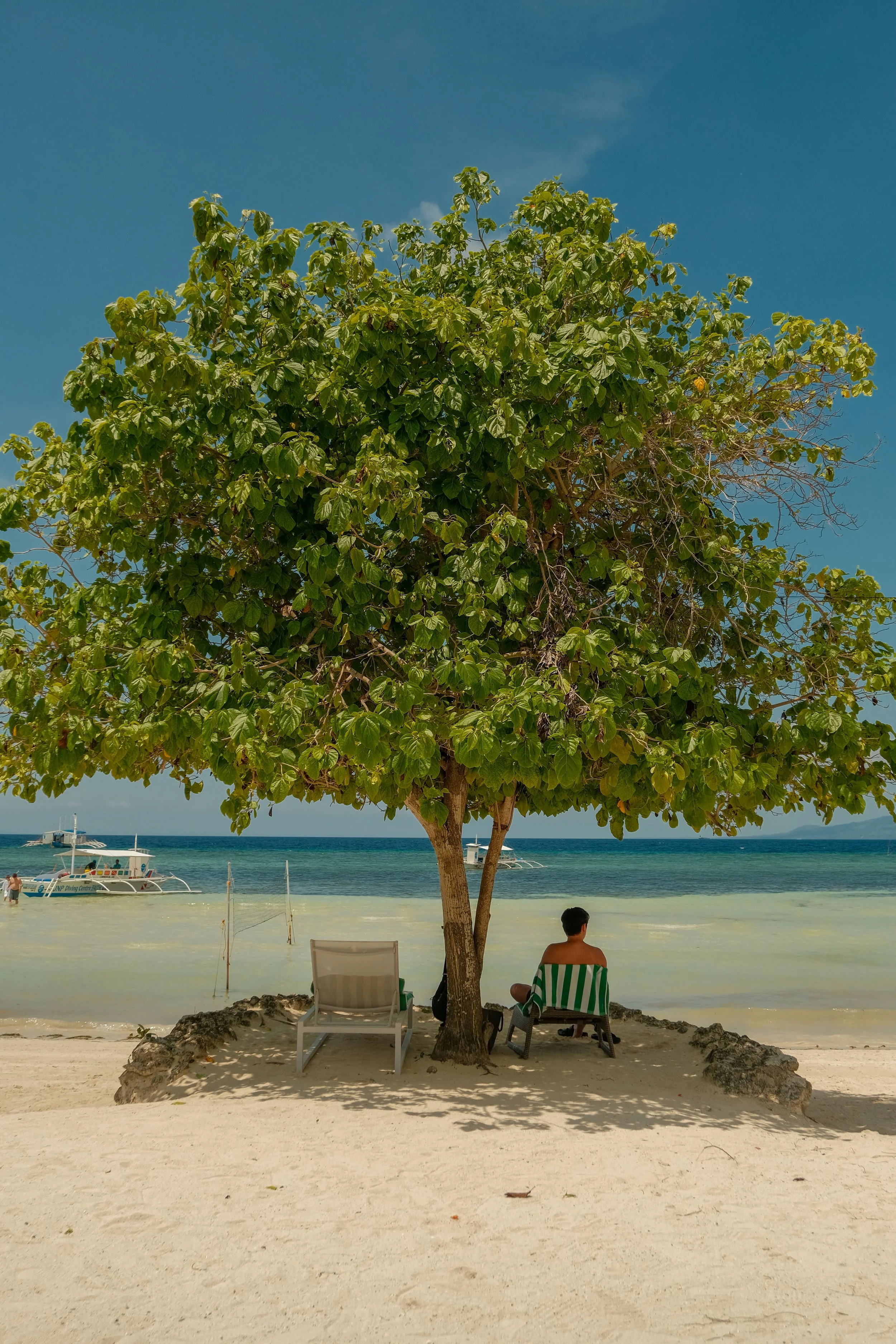
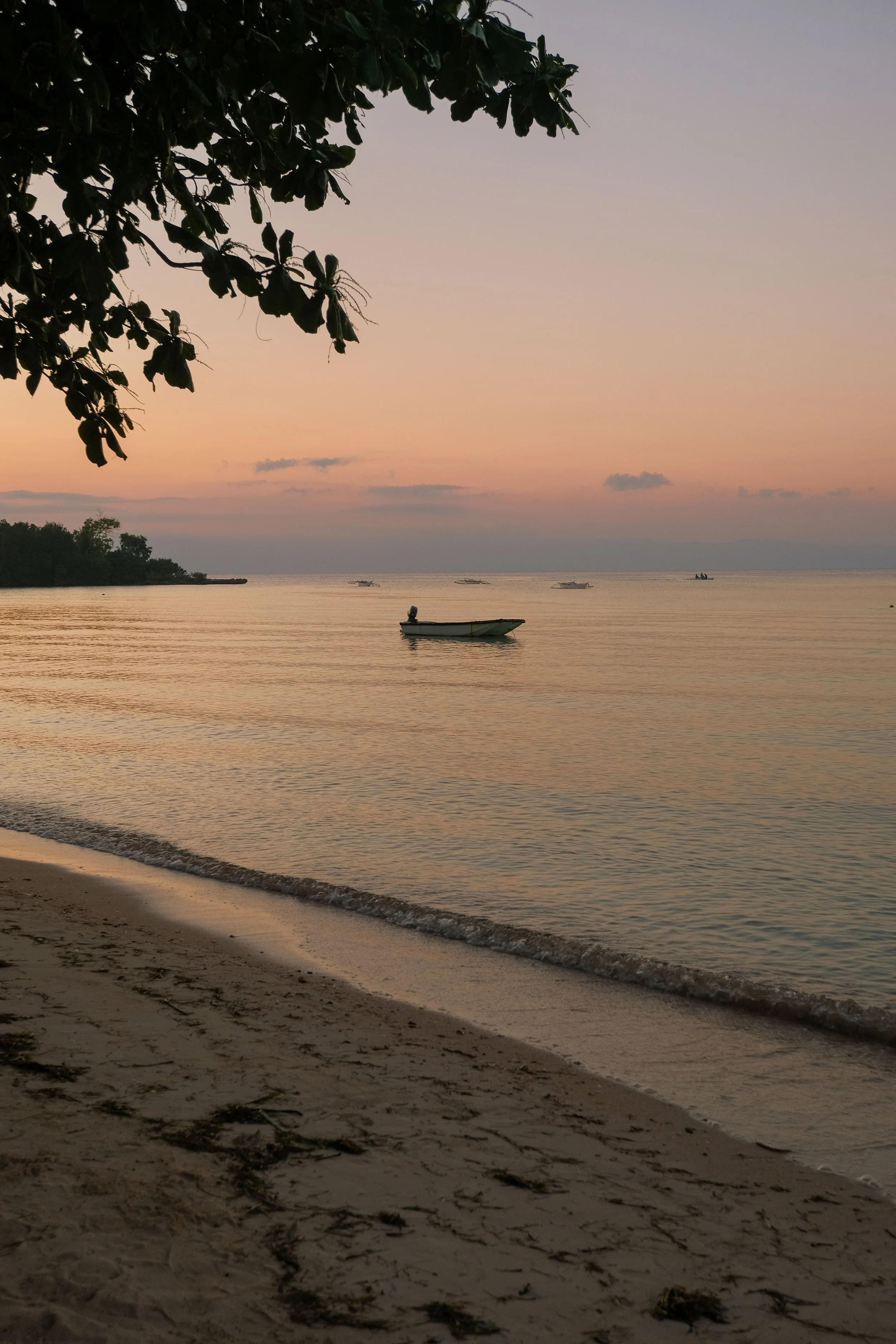
Our first stop was Bohol, an island province in the Central Visayas. We stayed in Panglao, a tiny island just off its southern tip, at a resort right on the beach. The lobby opened onto an infinity pool overlooking palm trees and the ocean, and I fell in love with it immediately. We arrived a few hours before check-in, dropped our bags at the front desk, and headed straight for the beach. It was a long stretch of powdery white sand, where we spent the afternoon on lounge chairs, cooling off with occasional dips in the water. I've never really considered myself a beach person (give me mountains and lakes any day), but Australia and now the Philippines have officially converted me.
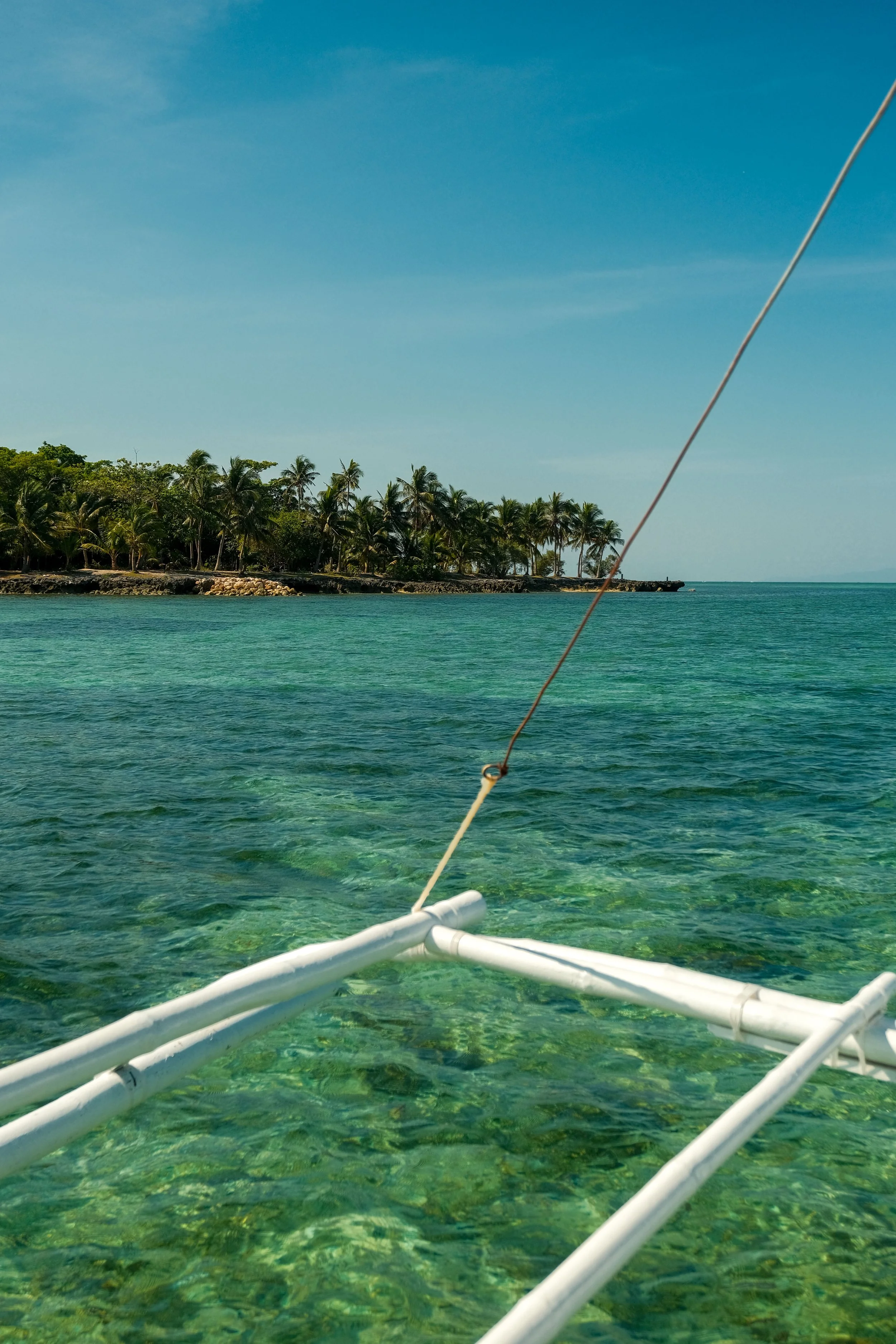
After some back and forth, we decided to book an island hopping tour the next day. I had mixed feelings going in. Most of the TikTok videos I'd watched showed overcrowded sandbars, dozens of snorkelers circling a single sea turtle, and fleets of boats chasing the same pod of dolphins. Not exactly the experience I wanted to support. But most tours leave at 6am to maximize dolphin sightings, so we decided to leave a few hours later to avoid the crowds. More sleep and fewer boats disturbing the wildlife? Seemed like a win-win.
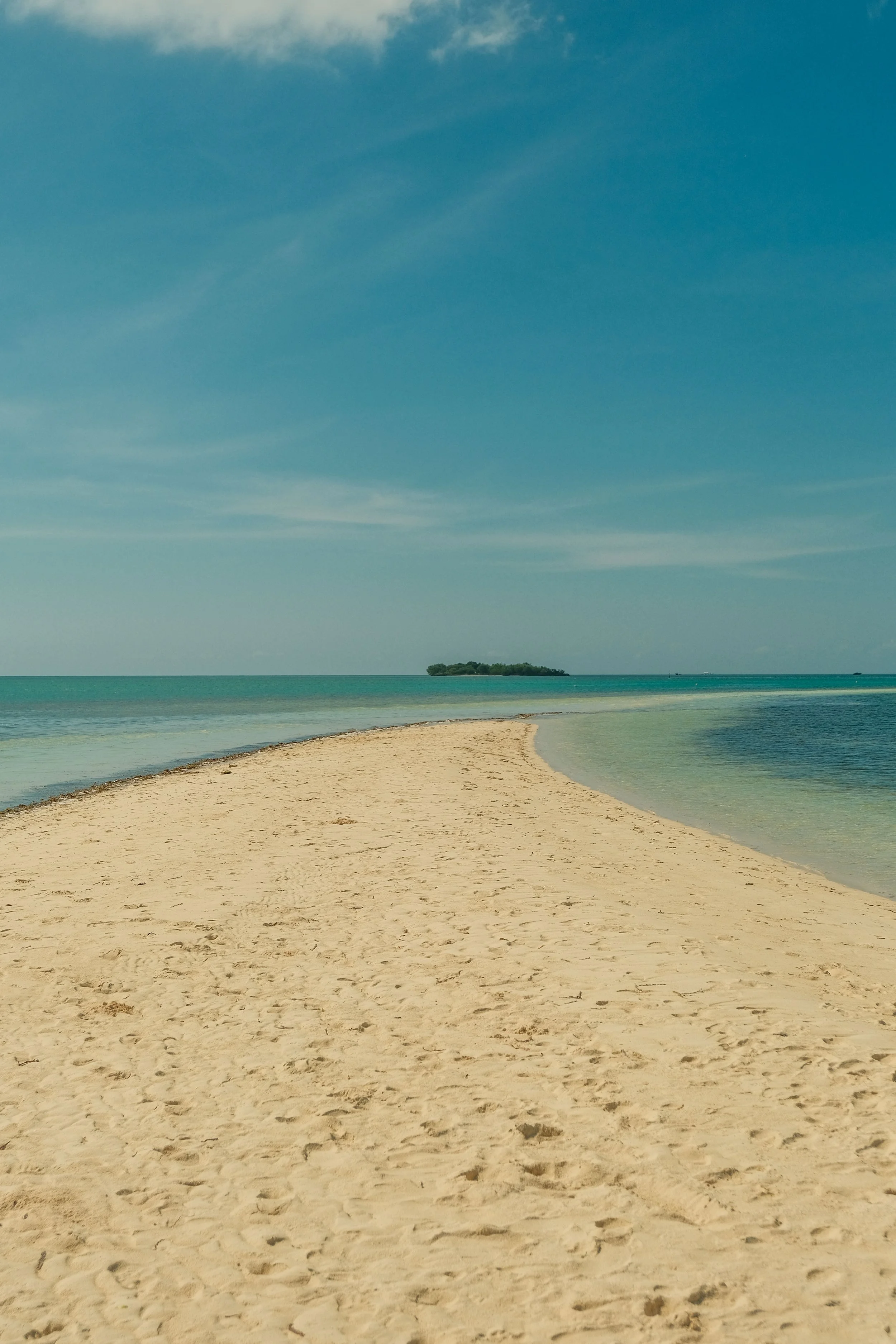
It turned out to be a great call. Our first stop was Virgin Island, a long thin sandbar that rises out of shallow turquoise water in the middle of the ocean. The sandbar disappears under the water during high tide, so timing matters. Only a handful of other boats were there when we arrived, and standing on that narrow strip of sand with the ocean stretching in every direction felt very surreal.
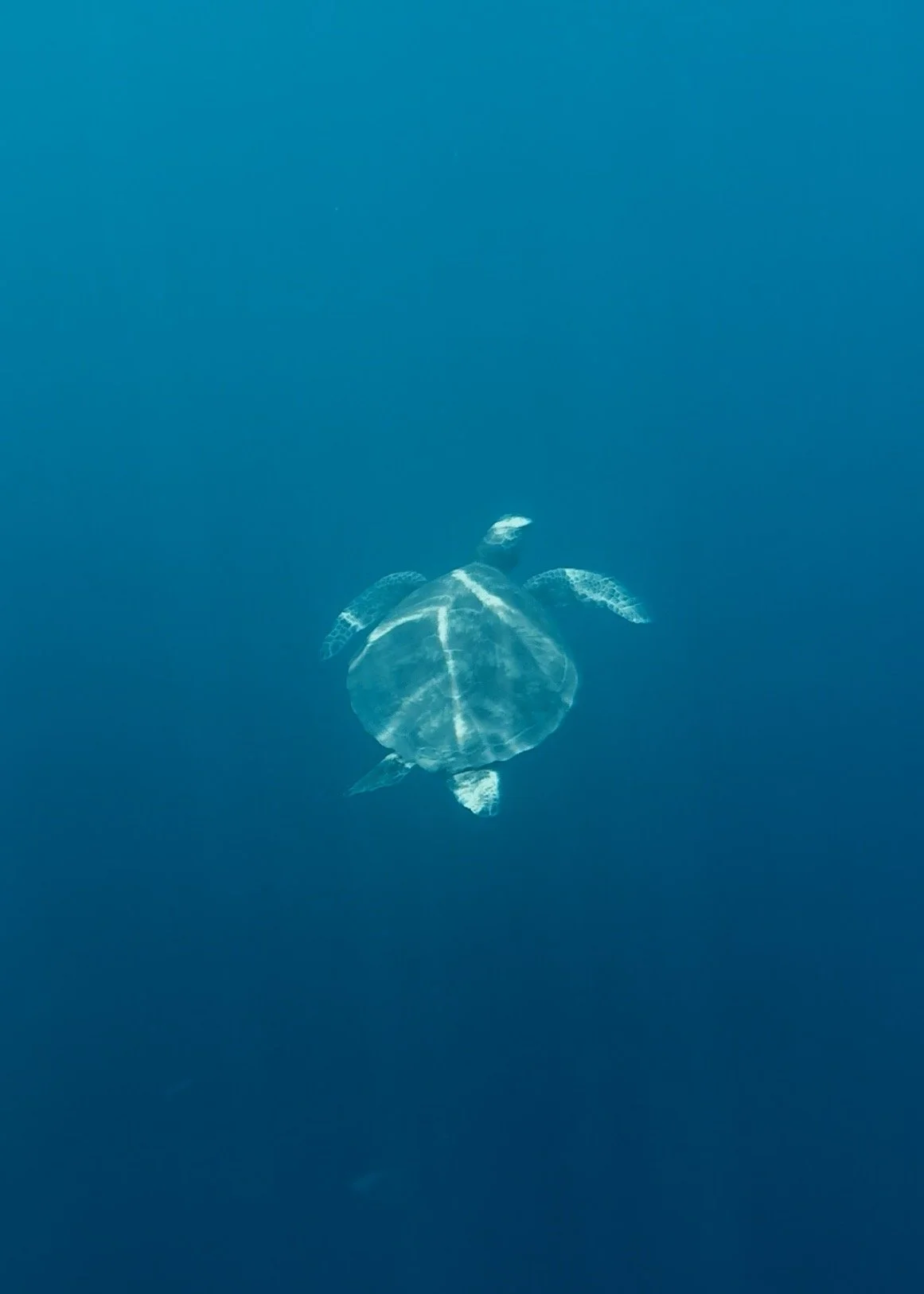
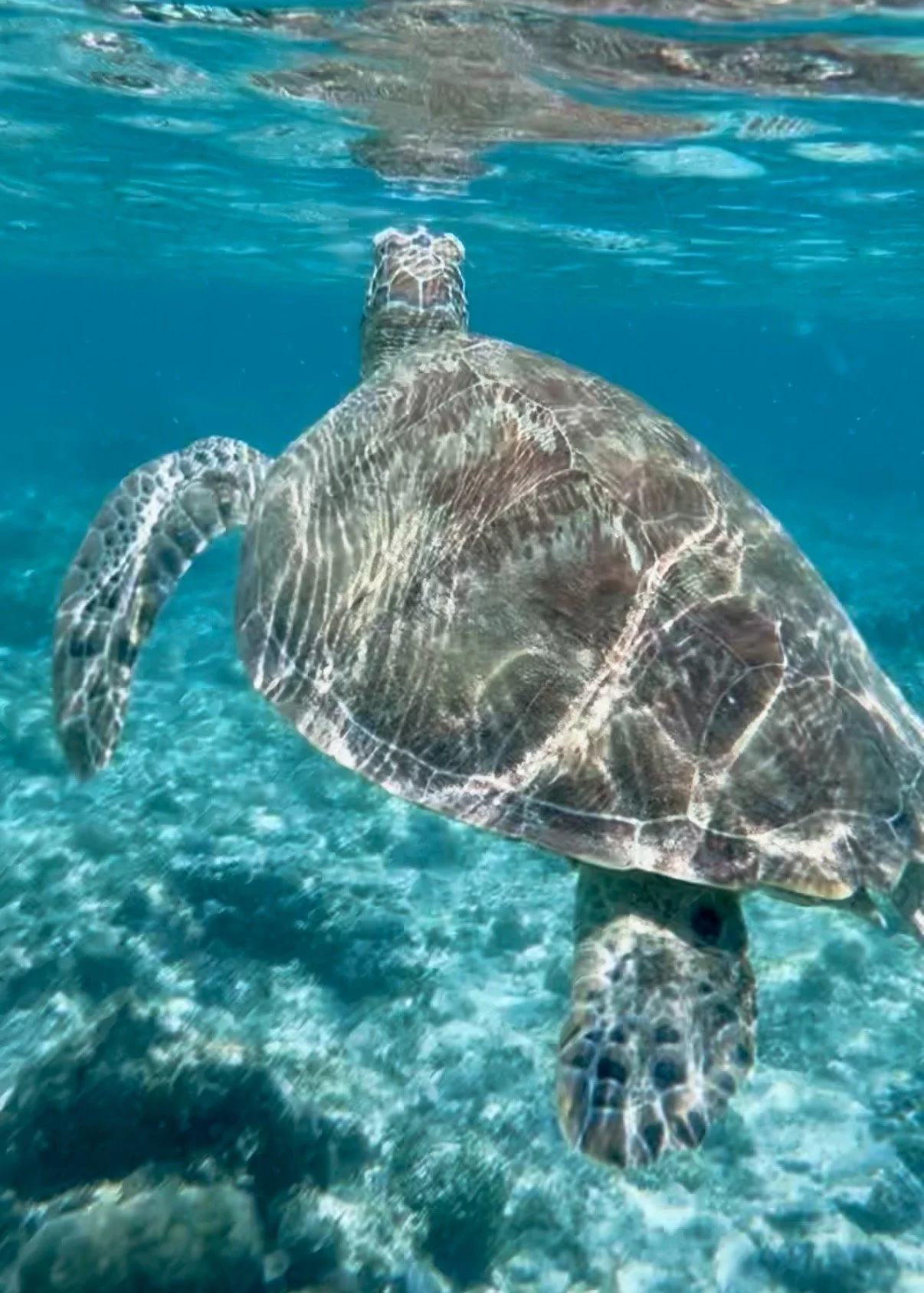
From there we headed to Balicasag Island, where most of the early boats had already come and gone. A snorkeling guide paddled us out by canoe to the fish sanctuary, and within minutes of getting in the water, he was waving his arms and pointing behind me. I turned around and there it was: a sea turtle drifting majestically through the deep water, sunlight filtering down around it like a spotlight. I watched it float upward and surface for air just a few feet in front of me. We later moved to shallower water and swam alongside two more. One of the most memorable experiences of the trip so far. Lesson learned: don't believe everything you see on TikTok, the good or the bad.
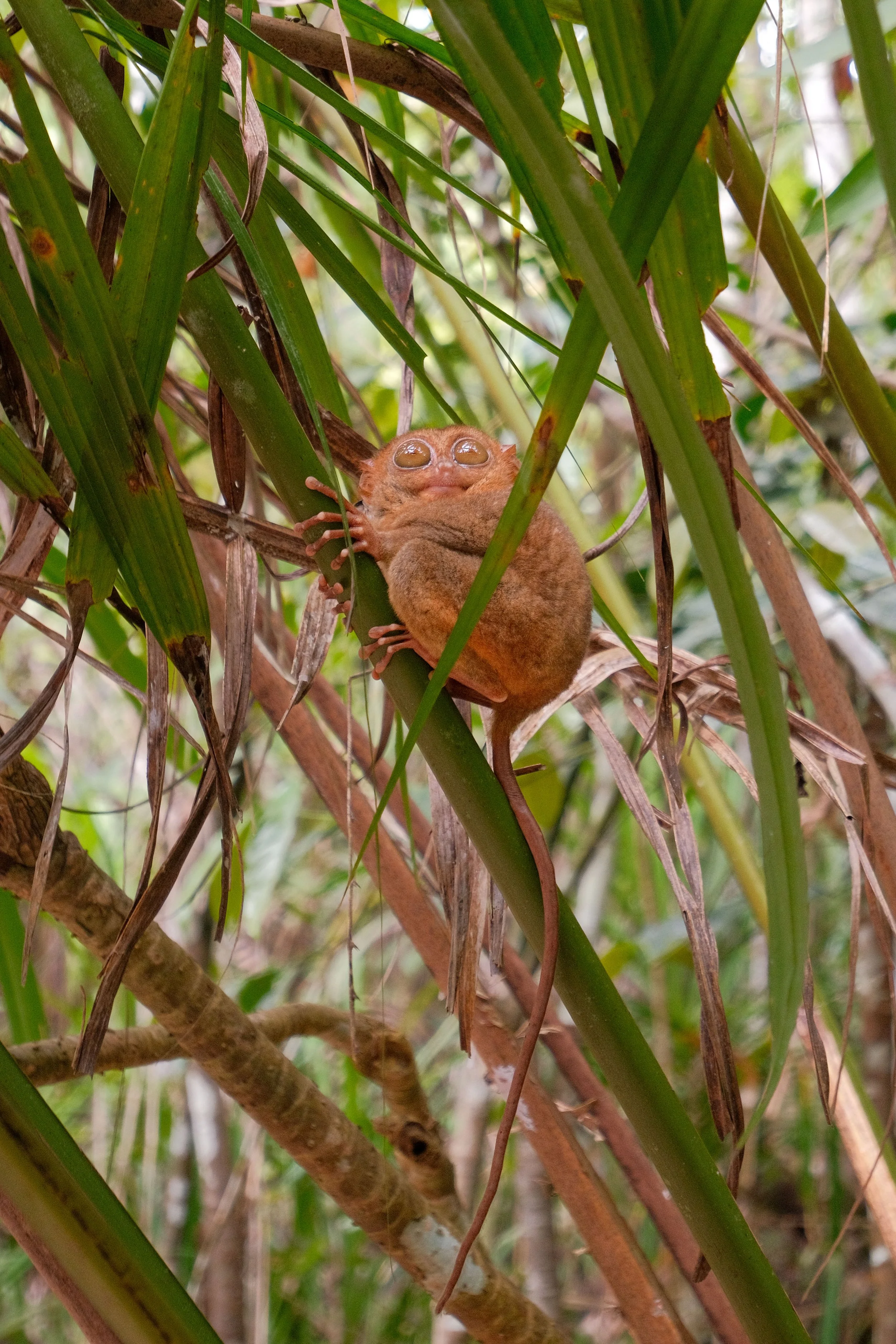
Bohol isn’t just about the beautiful beaches - it’s also one of the most naturally diverse islands in the Philippines. We spent our last day exploring inland, starting with a visit to a tarsier sanctuary. The Philippine tarsier is one of the smallest primates in the world - about the size of a human fist, with enormous eyes that can't move in their sockets, so they rotate their heads 180 degrees to look around instead. If humans had the same eye-to-body ratio, our eyes would be the size of apples! They’re nocturnal and shy, so we walked quietly along a forest path as our guide pointed them out, curled up asleep on branches. Despite their size, they’re surprisingly athletic - capable of leaping up to three meters, or roughly 20 times their body length. What an impressive little animal.
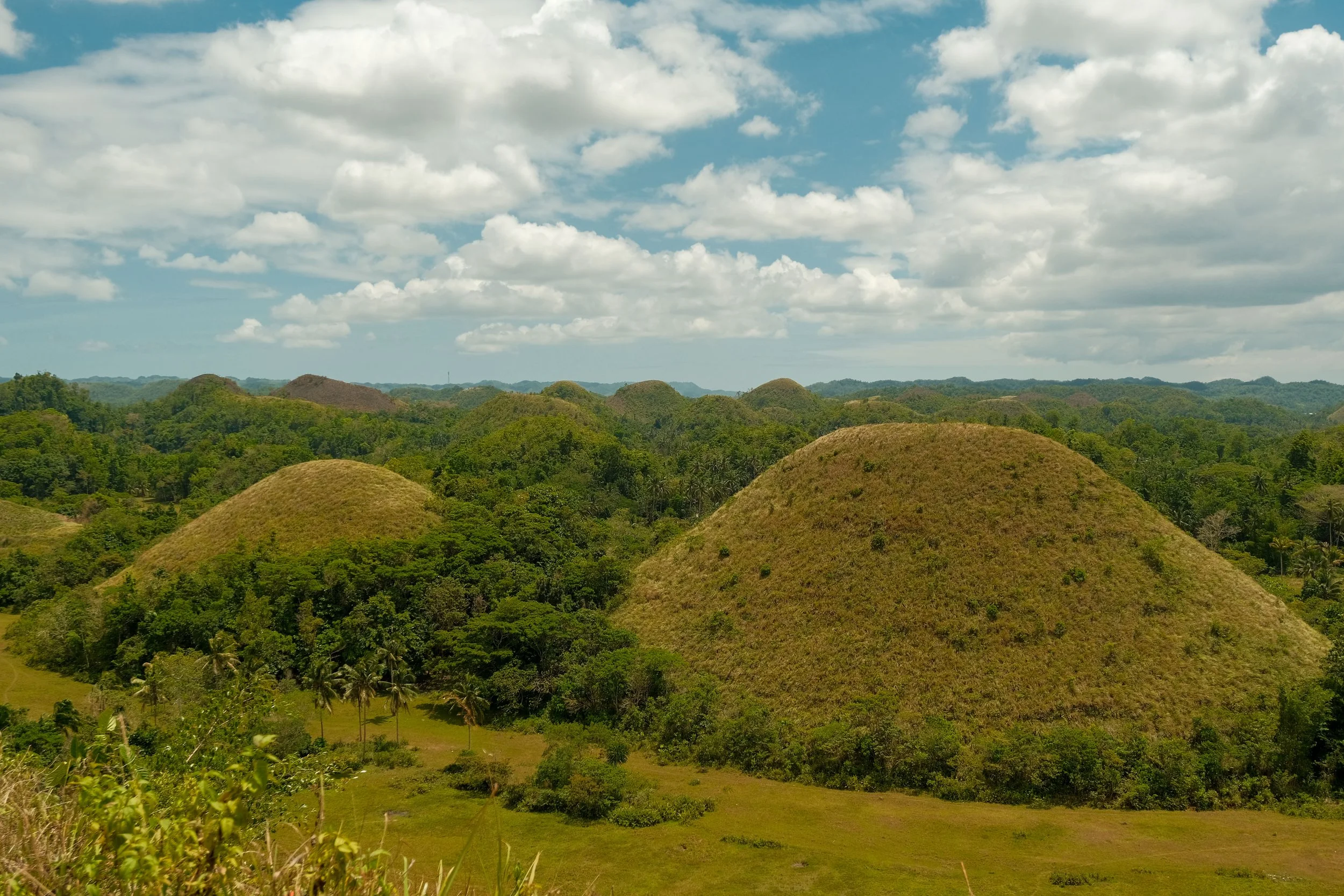
From there, we visited the Chocolate Hills, a landscape of around 1,700 cone-shaped limestone hills spread across the countryside. During the dry season, the grass turns brown, almost resembling giant Hershey’s kisses. Instead of stopping at the main tourist viewpoint, our guide Ryan led us through a quiet village to a local home, where a teenage girl handed us walking sticks and guided us up a short trail to a peaceful lookout. Afterwards, we sat in her family's yard while her dad laid out snacks - roasted corn, sweet potato, sticky rice, fresh coconut juice, and fruit - alongside cups of thick hot chocolate made from locally grown cacao. While we ate, roosters, dogs, cats, and a litter of four-day-old goats wandered around the yard while the younger kids played on homemade stilts. Our guide and driver laughed as we both tried to get on and immediately fell off. It’s a lot harder than it looks!
We ended with a home-cooked Filipino meal at a local family's home, eaten outside surrounded by rice fields: chicken adobo, lumpia, fried eggplant, pancit, and mung bean soup. Traveling full-time without a kitchen means home-cooked meals hit different, and this one was no exception.
El Nido
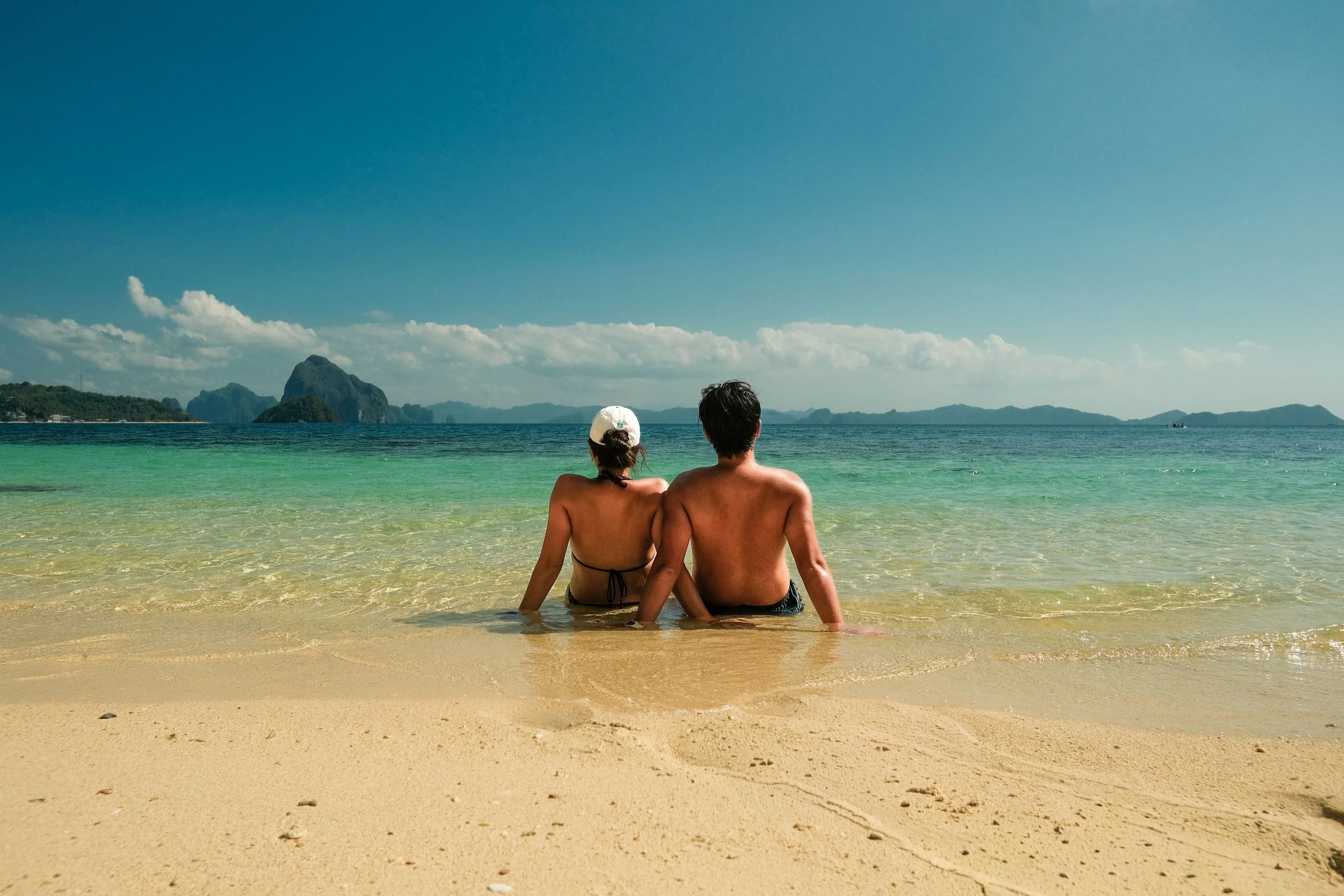
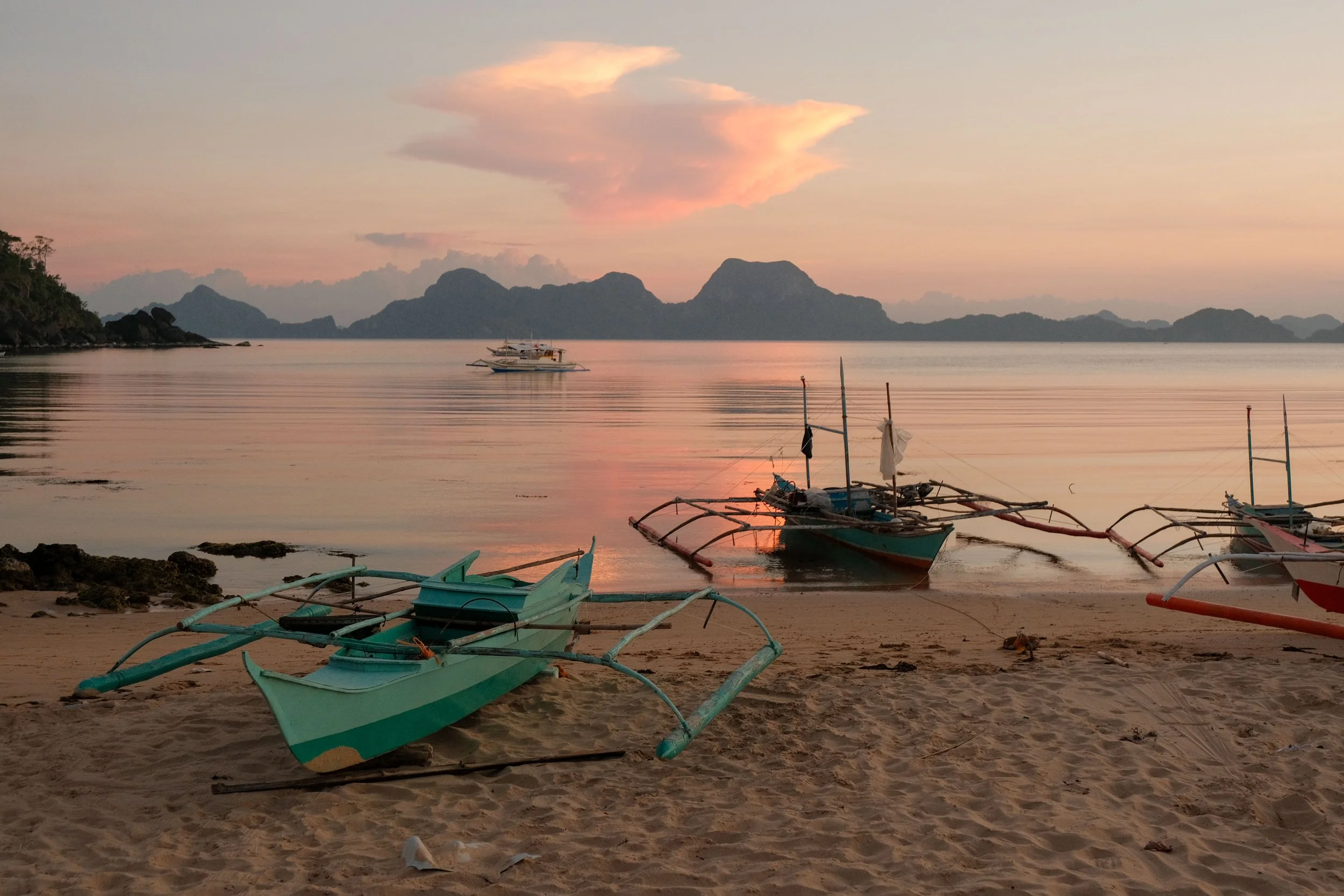
After five days in Bohol, we flew to El Nido, a small town on the northern tip of Palawan known for its limestone cliffs, turquoise lagoons, and beaches that look like laptop screensavers. On our first day we rented kayaks from a family on the beach and paddled out to explore on our own. Lapus Lapus Beach was our favorite, with shallow, crystal-clear water surrounded by towering cliffs. We spent over an hour just floating there, letting the waves roll gently over us.
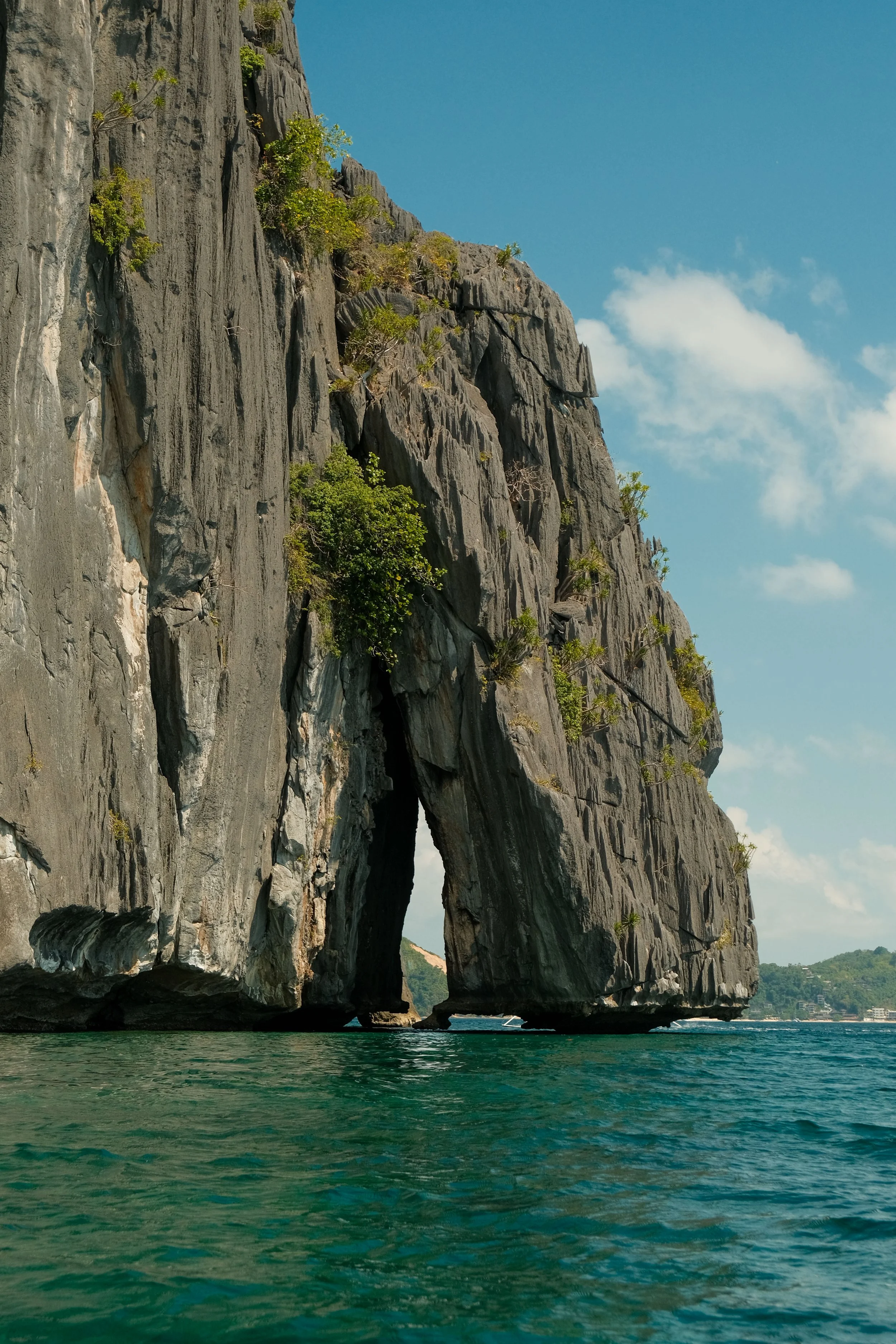
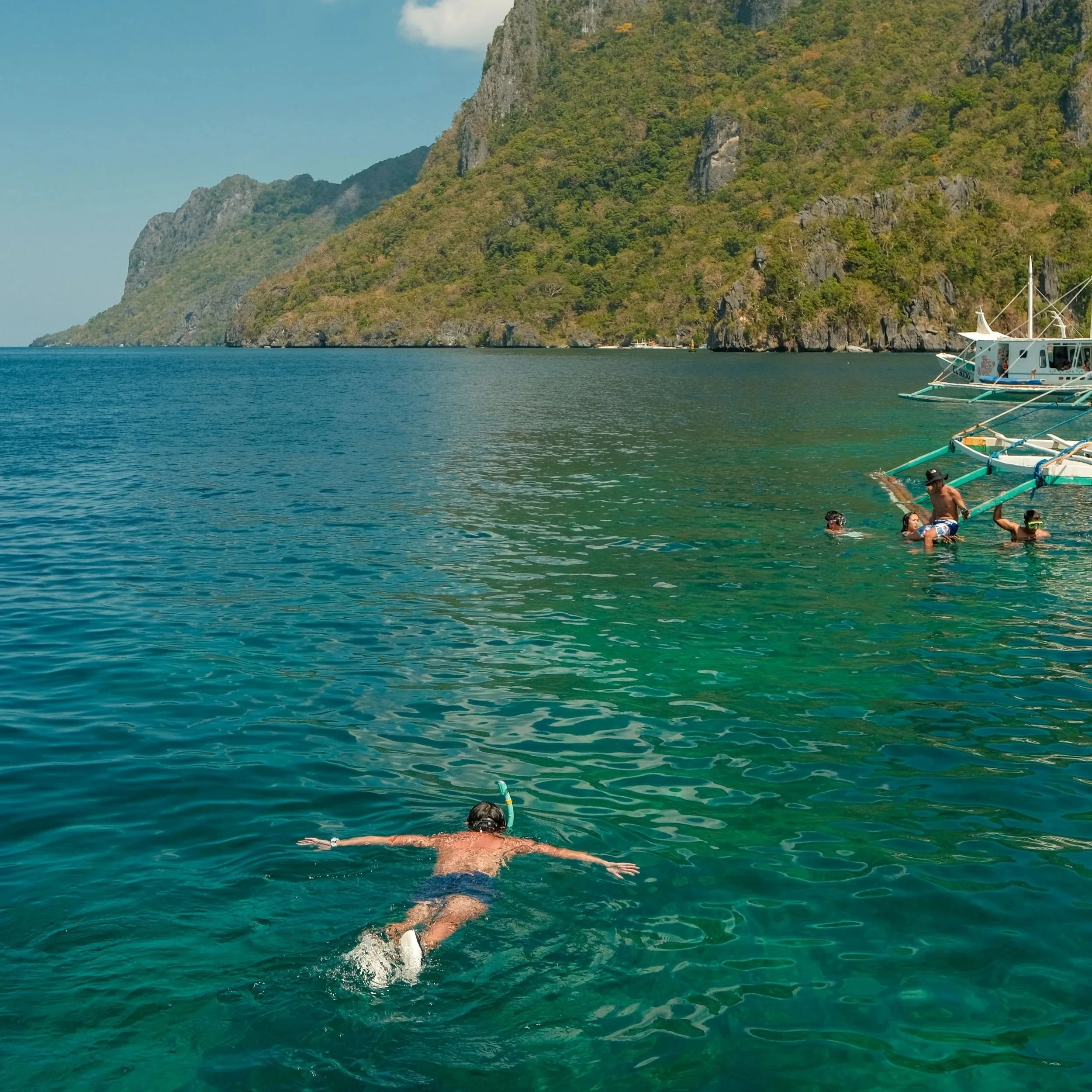
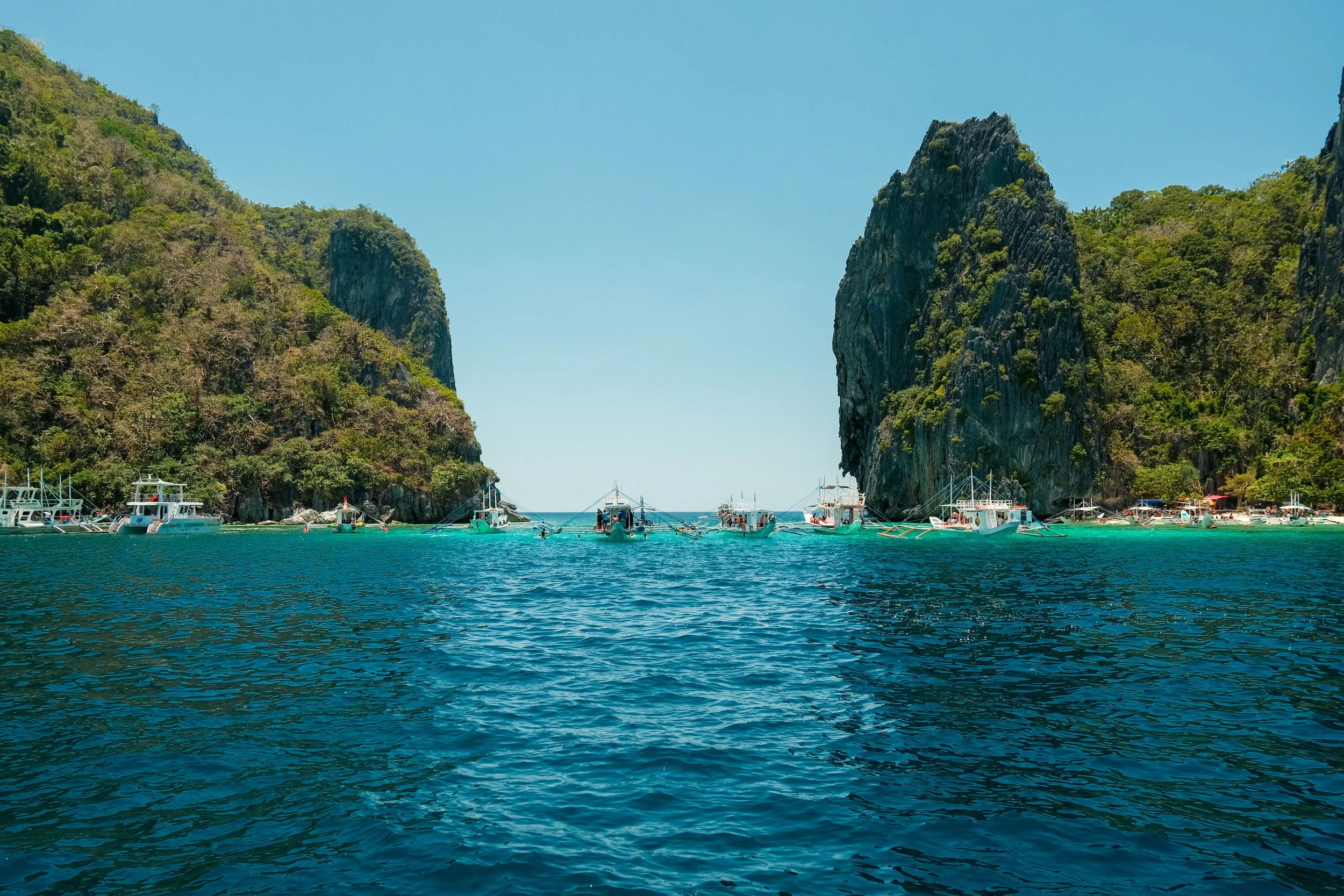
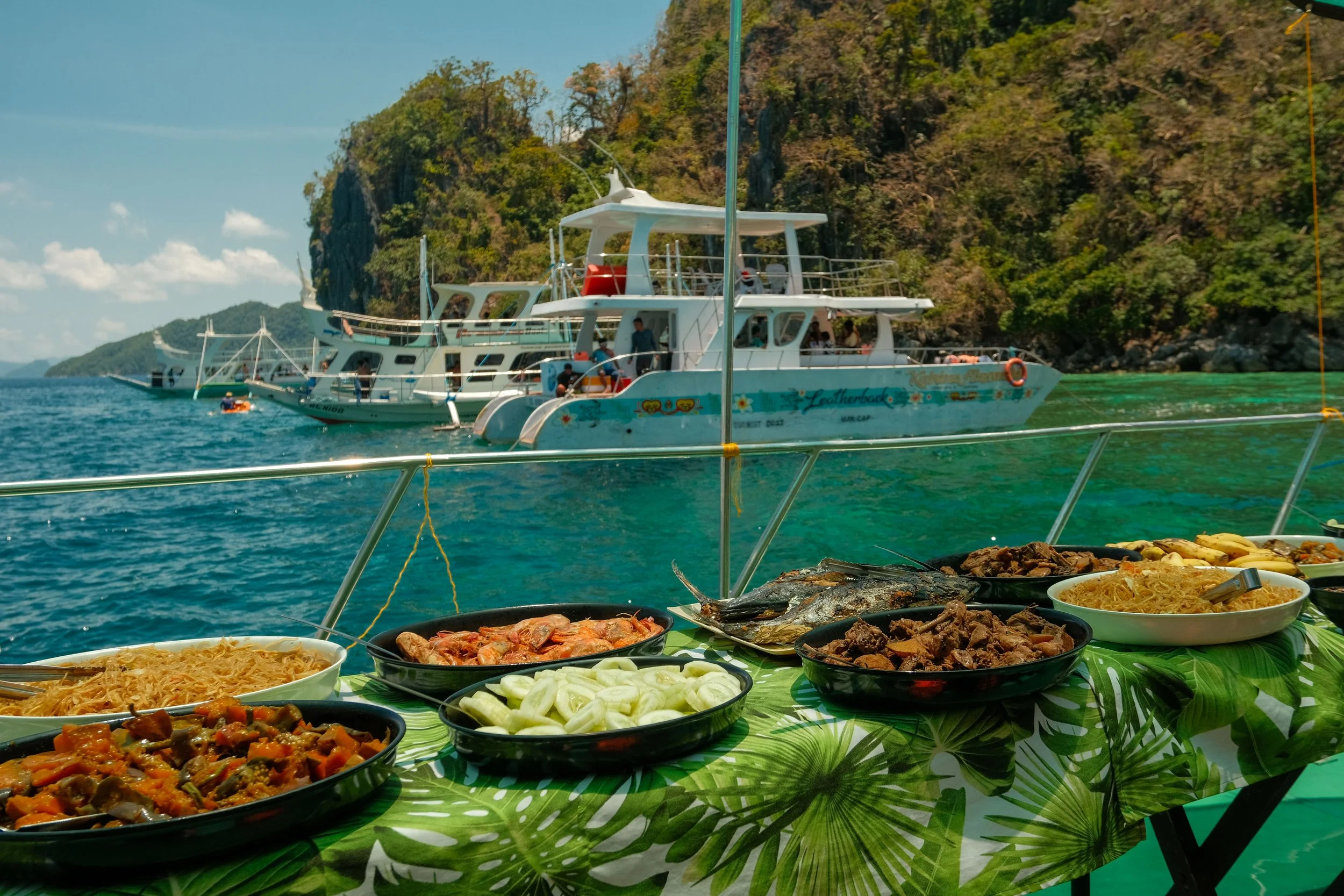
The next day, we joined one of El Nido’s classic island hopping tours. There are four main routes to choose from, and we decided to go with the most popular one, with the biggest sights and, inevitably, more people. We set off in the morning, dry bags and snorkels in hand, as karst cliffs rose out of the water around us and the sea shifted from deep blue to bright turquoise. We pulled up to a lagoon, jumped in, and snorkeled around. There was less marine life than Bohol, but the above-water scenery more than made up for it. At Shimizu Island, we anchored and the crew laid out a generous, family-style lunch spread of grilled seafood, noodles, rice, and fruit. I ate with the particular appetite that comes from a morning of swimming, then flagged down a vendor paddling past in a kayak to buy a fresh coconut to wash it all down.
The biggest “wow” moment came last at the Big Lagoon. From the boat, we transferred directly into kayaks and paddled through a narrow gap in the cliffs into a hidden world of glassy, shallow turquoise water enclosed by towering limestone walls. Once we passed the cluster of other boats near the entrance, it went almost completely quiet. After months of nonstop travel, it's easy to move through experiences without fully appreciating them. We made a point to sit there for a while and take it all in.
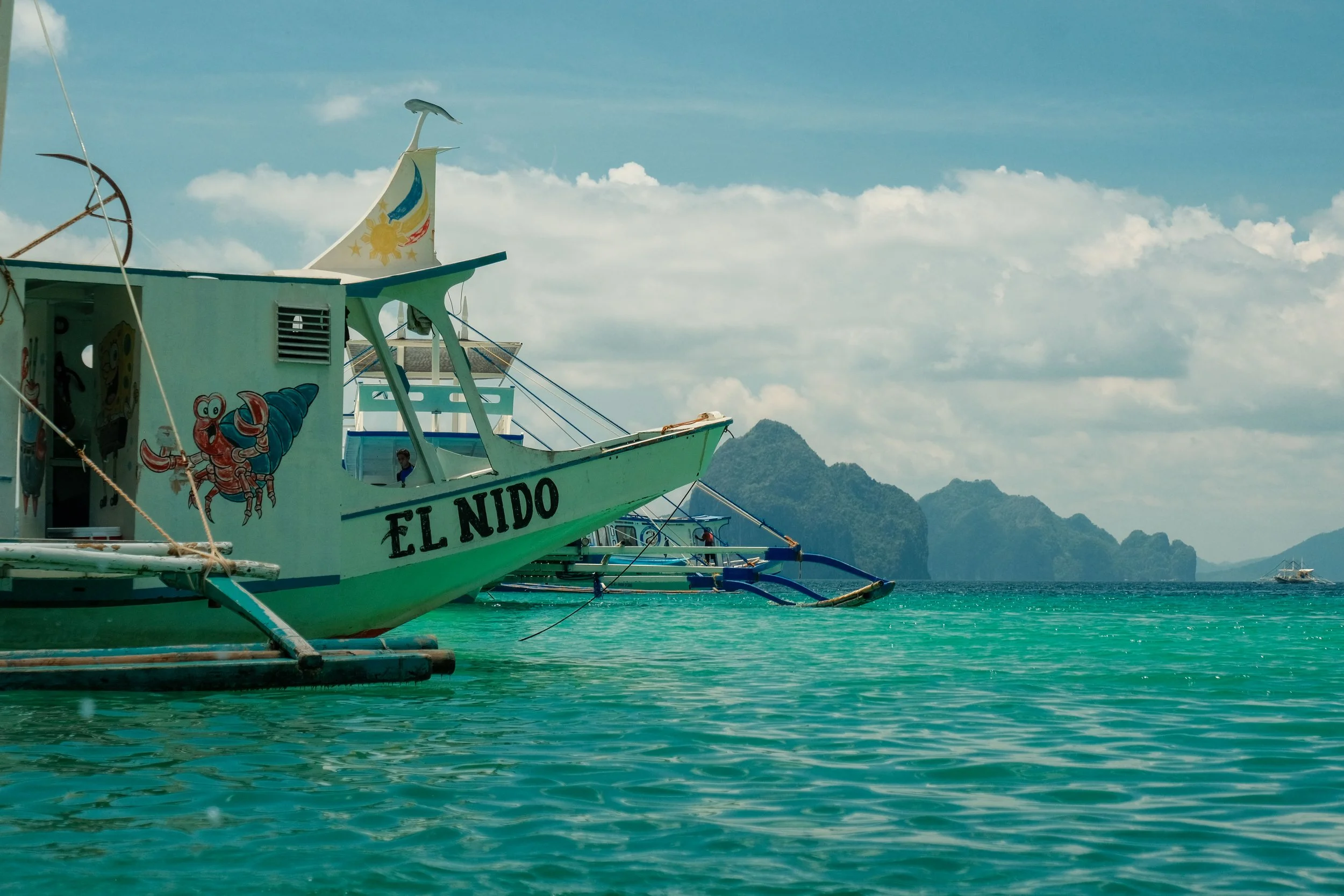
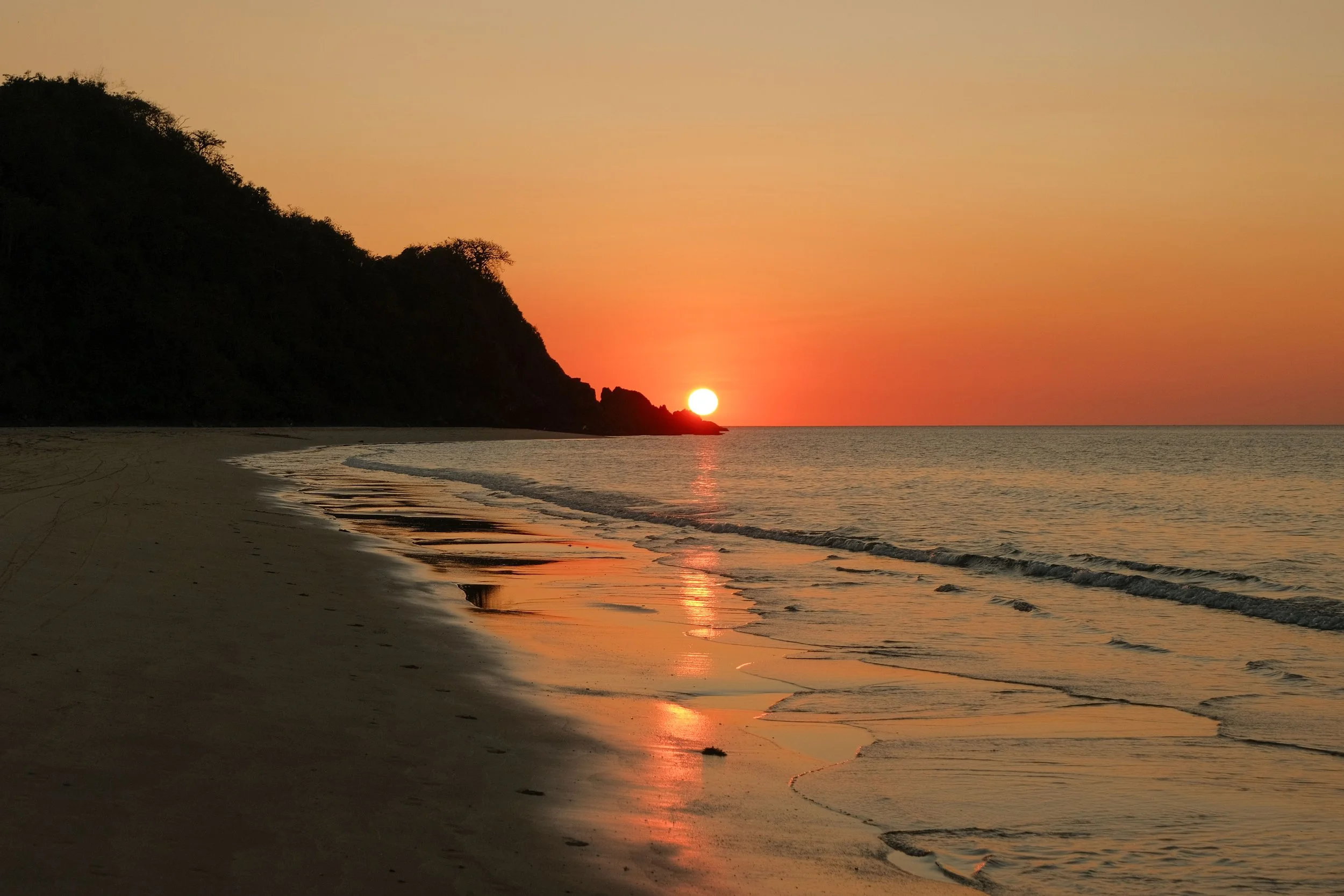
For our last night, we headed to Nacpan Beach, about an hour from town, and stayed overnight to catch the sunset. Compared to the dramatic cliffs and lagoons of the previous days, it felt more open and expansive, with nearly four kilometers of uninterrupted golden sand. The sand was incredibly soft, almost like powder, with calm, clear water that felt more like a gentle wave pool than open ocean. As the sun dipped below the horizon, the sky shifted through deep oranges and reds. We walked along the shoreline until it disappeared, then stood and watched the light fade. A perfect way to close out our time in the islands.
Manila
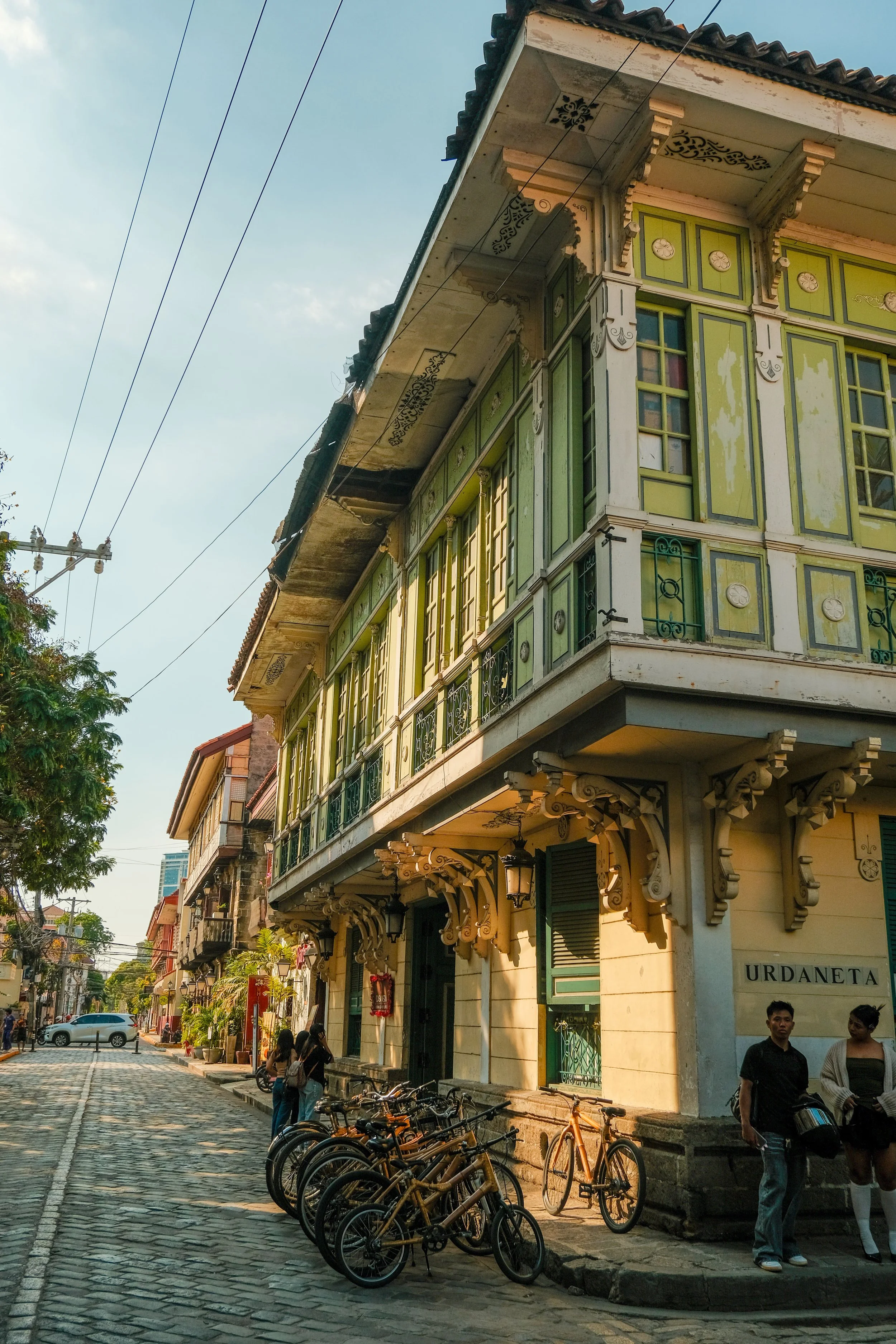
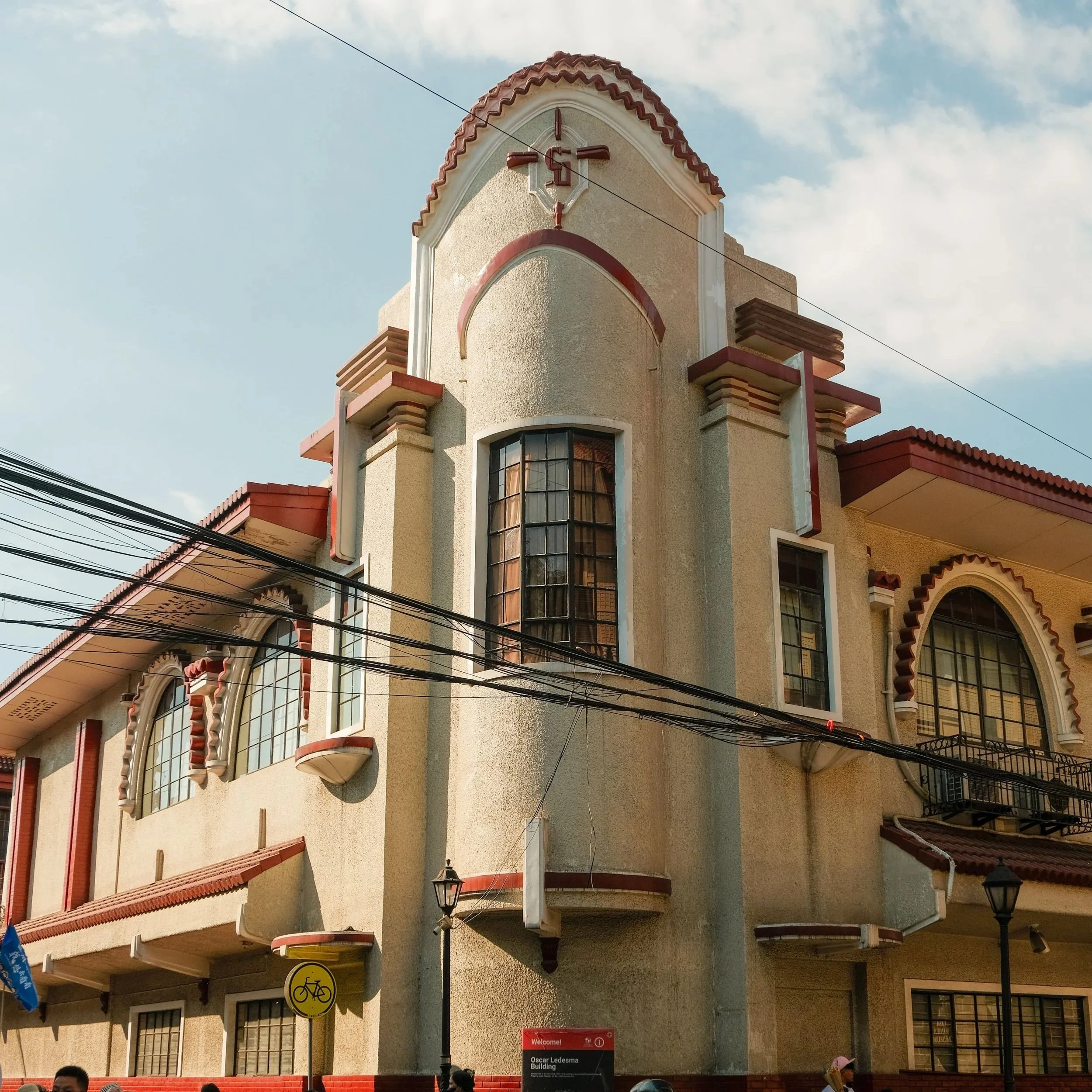
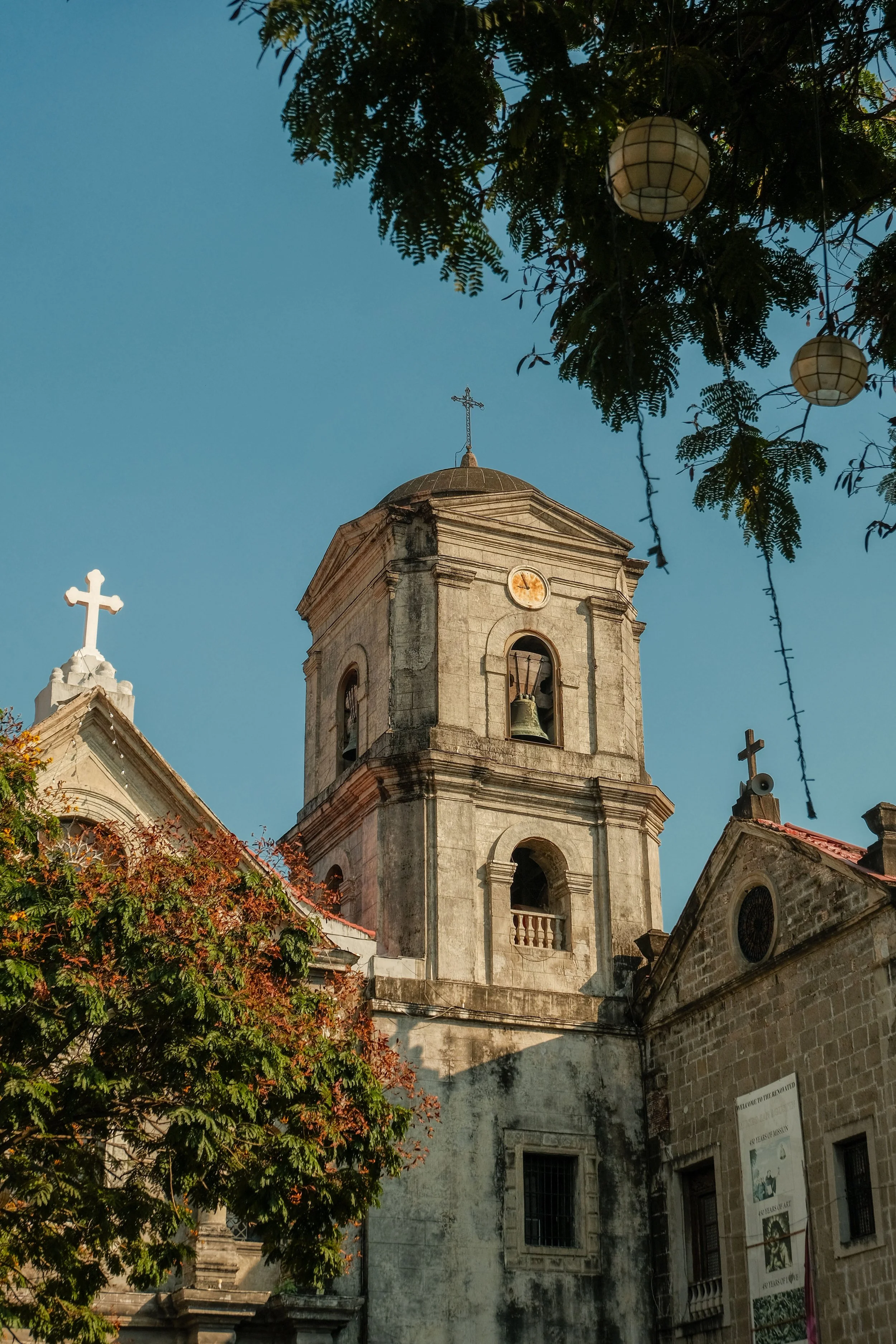
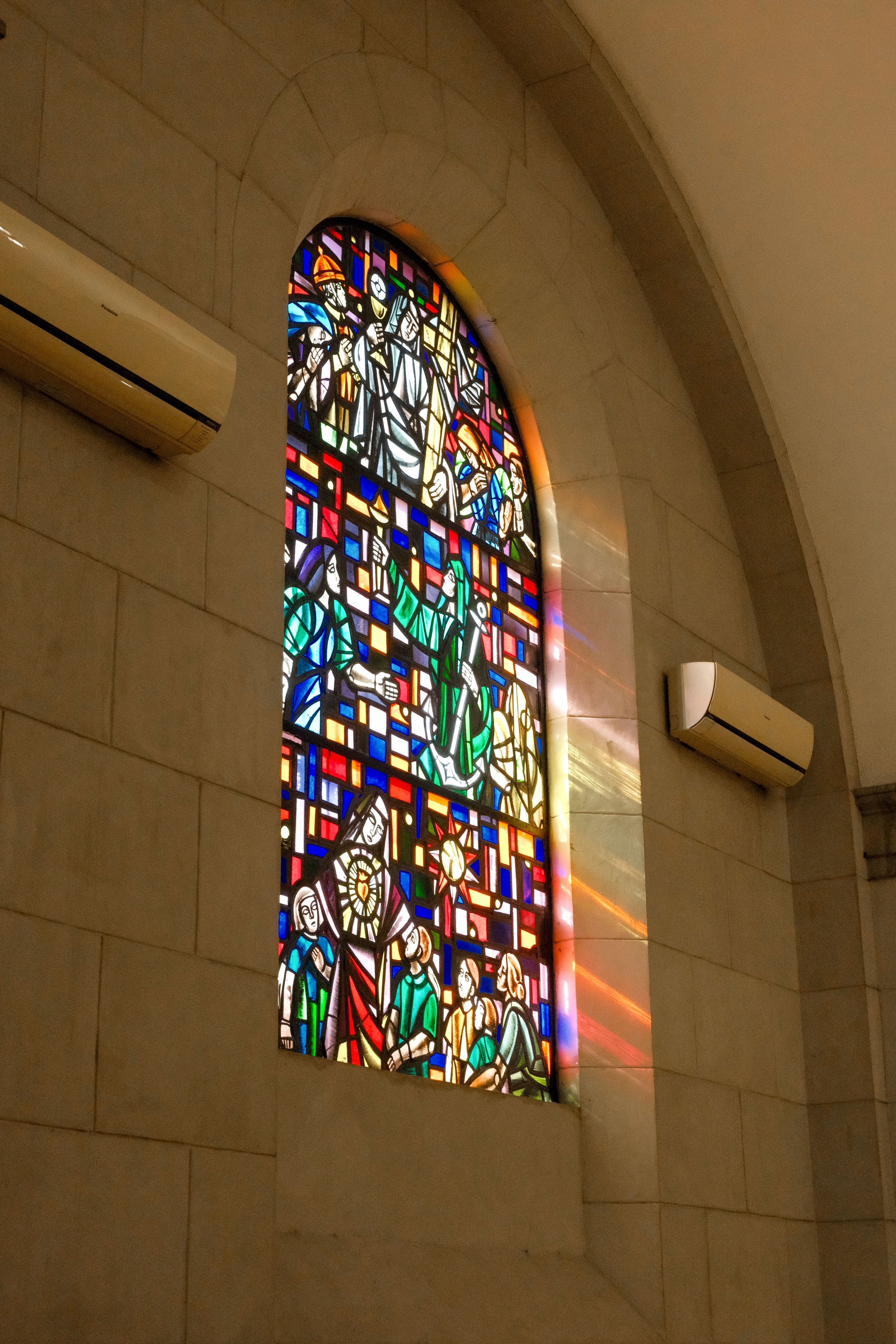
Our last stop was Manila. On our first day we explored Intramuros, the old Spanish walled city, which felt like stepping into a different century - cobblestone streets, crumbling stone walls, centuries-old churches. Over 300 years of Spanish colonization left a deep mark on the country, and Catholicism is one of the lasting legacies, still central to Filipino culture and life today. We also visited Fort Santiago, a fortress that once held national hero José Rizal before his execution in 1896, now a powerful symbol of Filipino resistance to colonial rule. Walking through it all, what struck me most was how many layers of history the Philippines carries: Spanish rule, followed by American control, then Japanese occupation during World War II, before finally gaining independence in 1946.
The rest of our time in Manila was more modern and relaxed. Our hotel was connected to the Mall of Asia, one of the largest malls in the country. It was a welcome refuge from the heat, with endless air-conditioned shopping and food options. We also finally saw Project Hail Mary in theaters, which I’d been looking forward to since reading the book last year. It had come out a few weeks earlier, but Hanqing, an IMAX enthusiast, wanted to wait for a “proper IMAX screen.” Manila was the first on our itinerary after the release, but unfortunately, it had already stopped showing in IMAX by the time we arrived. We watched it in a standard theater anyway, and still absolutely loved it (amaze amaze amaze!).
With that, we rolled the credits on our time in the Philippines. Next up: Thailand.
Talk soon,
Tanya
