
The Scenic South: New Zealand Part 2
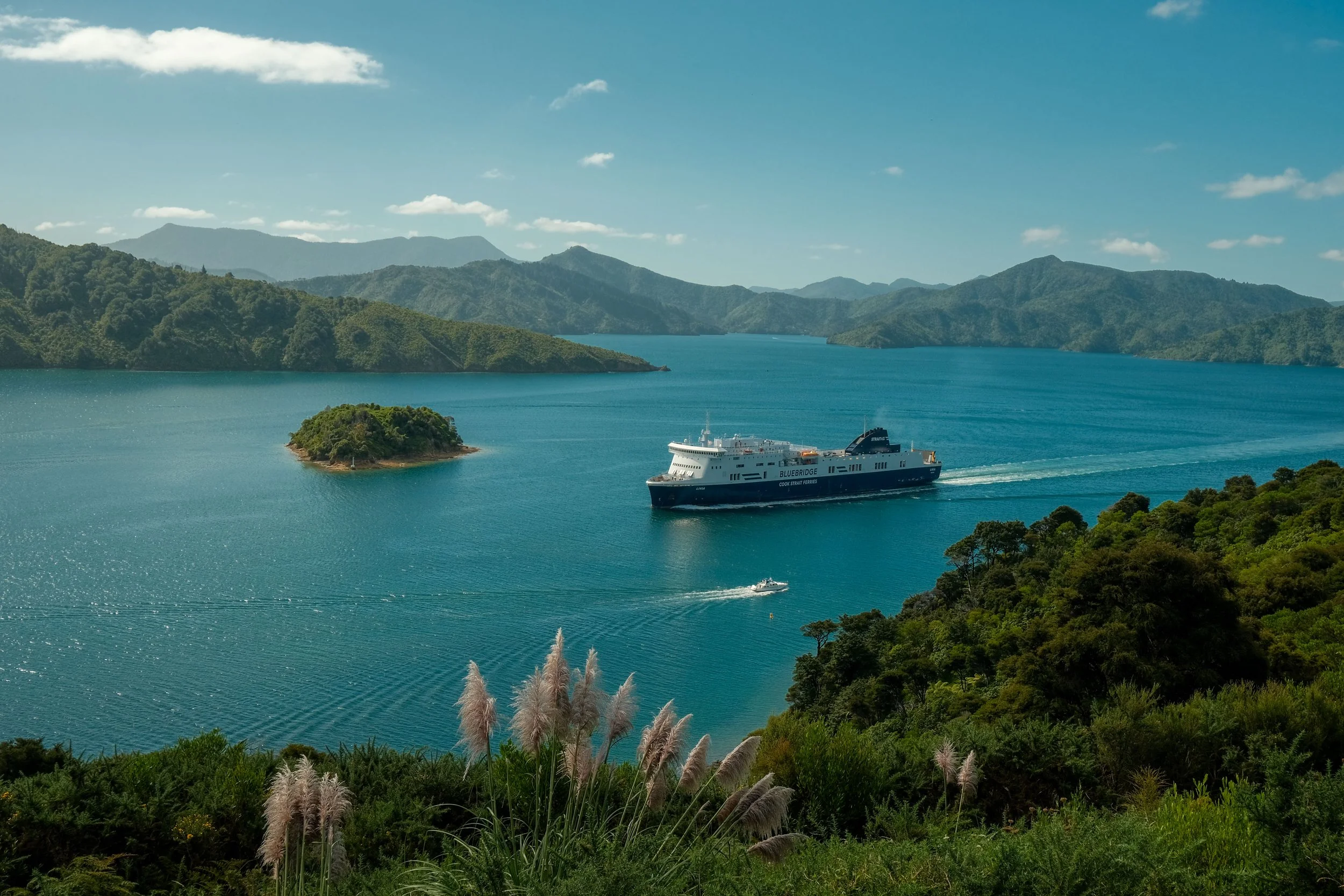
If I thought the North Island of New Zealand was breathtaking, I wasn’t quite prepared for what the South Island had in store. The scenery started shifting before we even stepped foot on land. From Wellington, we took the ferry across the Cook Strait, drifting through the fjord-like channels and quiet inlets of the Marlborough Sounds as the coastline slowly unfolded around us. We left Wellington under gray, windy skies, but somewhere along the crossing, the clouds lifted and patches of blue began to appear. By the time we docked in Picton, a small fishing town on the north shore of the South Island, it felt like we had entered a different landscape. From there, we drove along the coastline, pulling over at lookout after lookout to take in the deep blue water and lush river valleys.
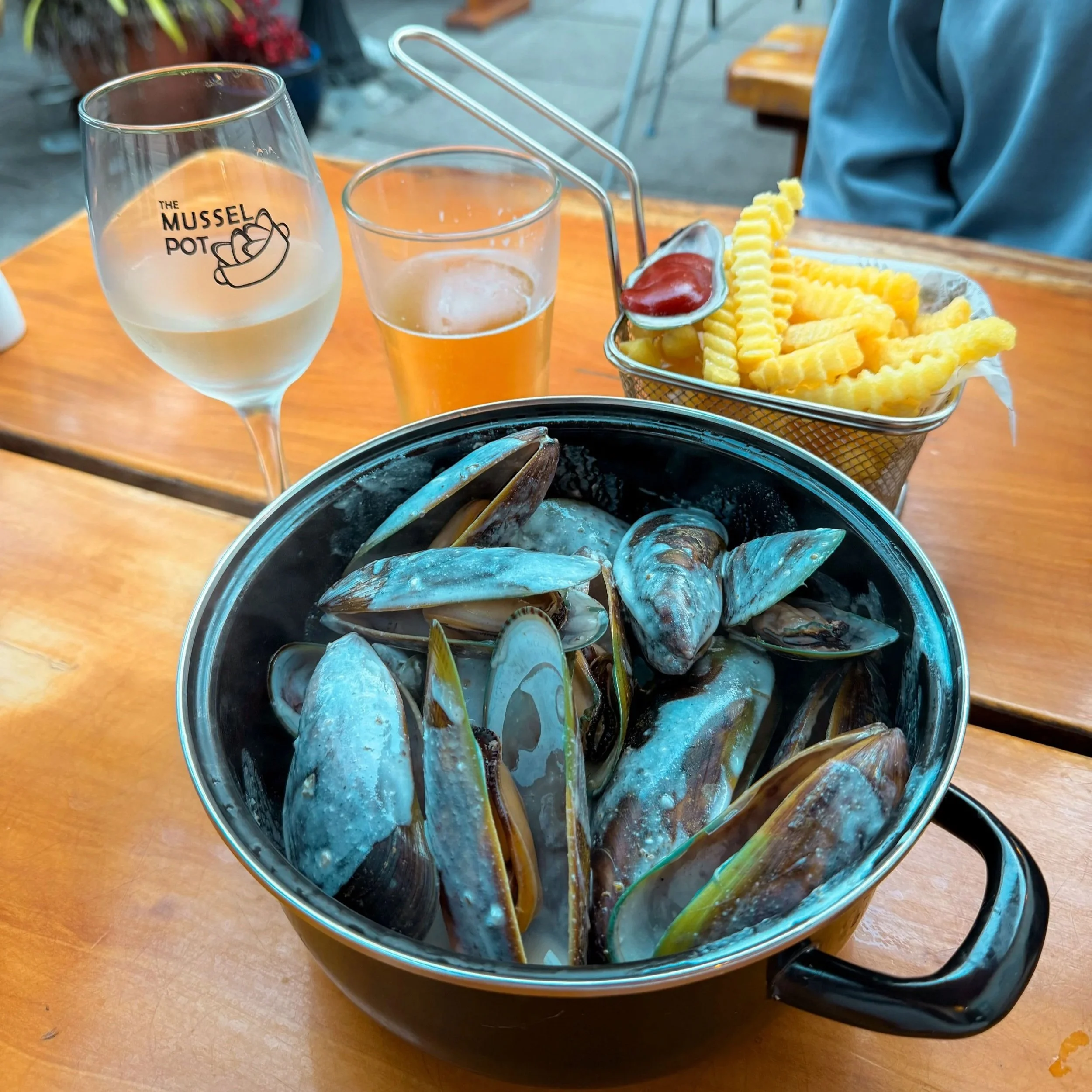
By dinnertime, we had made it to Havelock, another small town on the coast, where we ordered green-lipped mussels. The calm, sheltered bays along the northeastern shore create ideal farming conditions for this New Zealand specialty. You can spot them immediately by the bright green edges on their shells, and inside they’re noticeably larger and meatier than the mussels I’m used to. Ours arrived steamed in a broth of cream, white wine, and garlic, with crinkle fries for dipping. Paired with a crisp glass of local Sauvignon Blanc, it was simple and perfect.
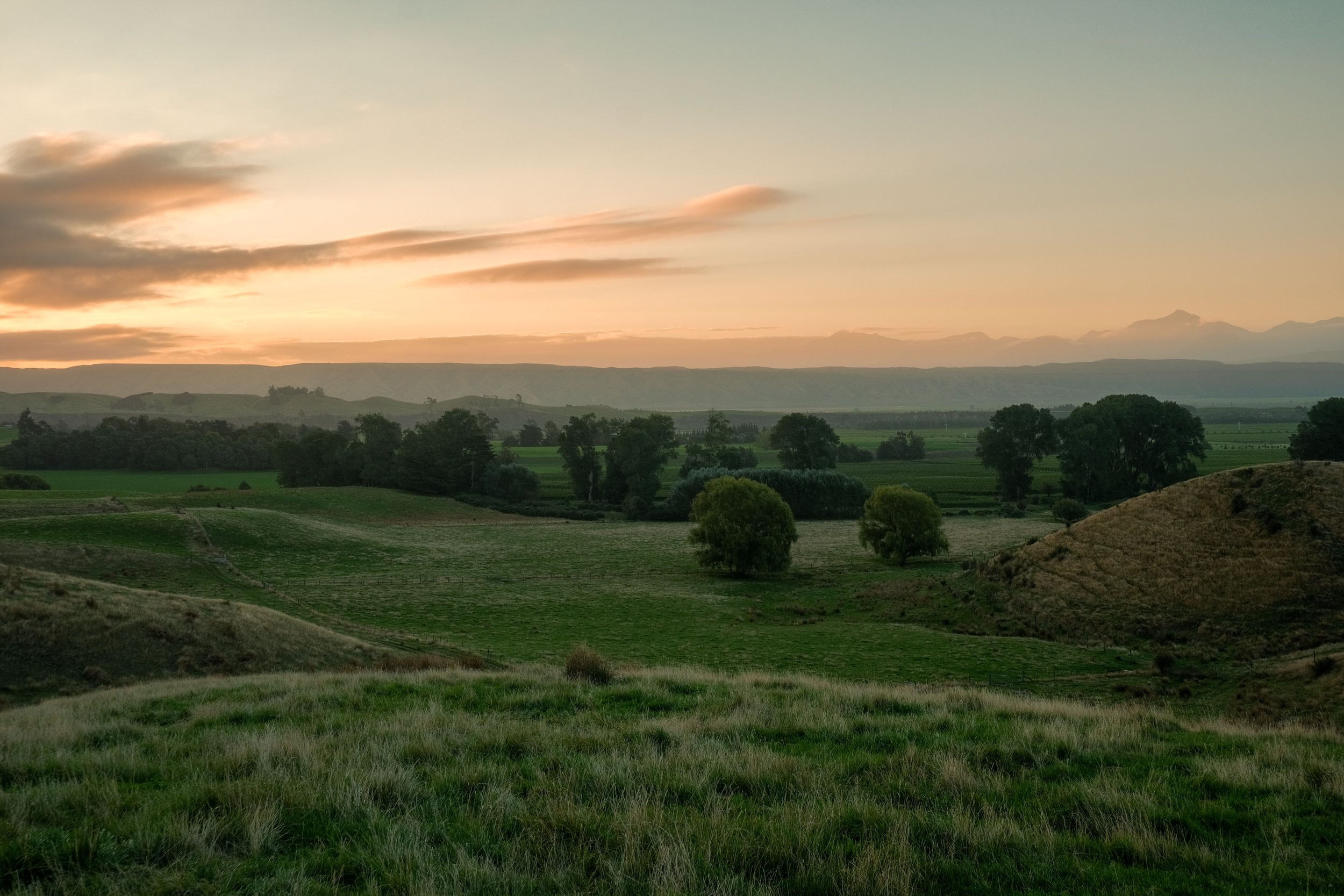
After dinner, we made our way to Blenheim, the gateway to Marlborough wine country. Our accommodation was an isolated cabin tucked down a half-mile gravel road. The drive in at night felt mildly questionable, but by morning the view made it worthwhile: miles of open farmland and rolling hills, without another building in sight. It was so remote there wasn’t even Wi-Fi. Thankfully, we still had one bar of service for emergencies, but it felt like a good nudge to disconnect for a few days and enjoy the scenery. Each morning, we woke to cows mooing in the nearby pasture, which felt very fitting for our unplugged stay.
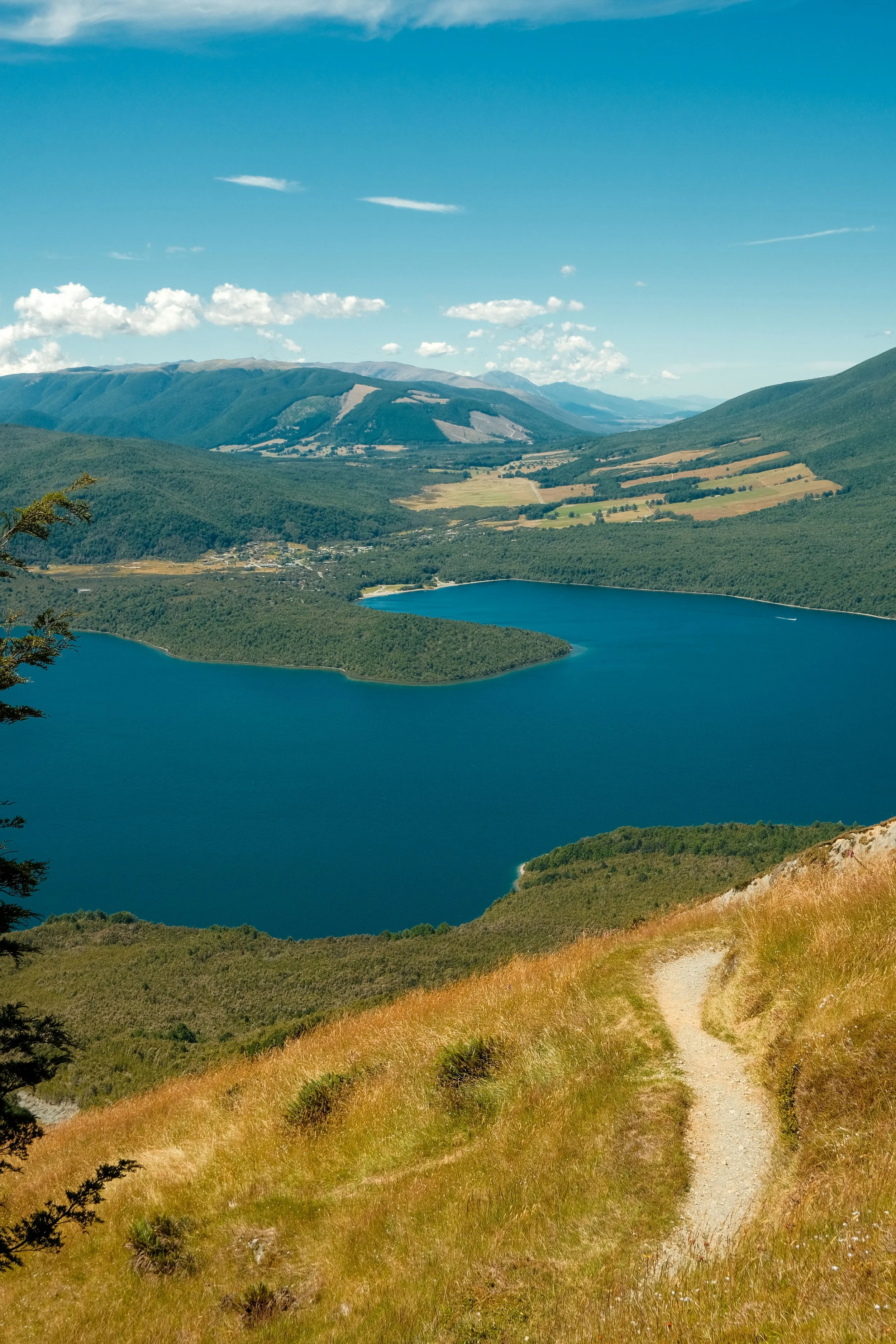
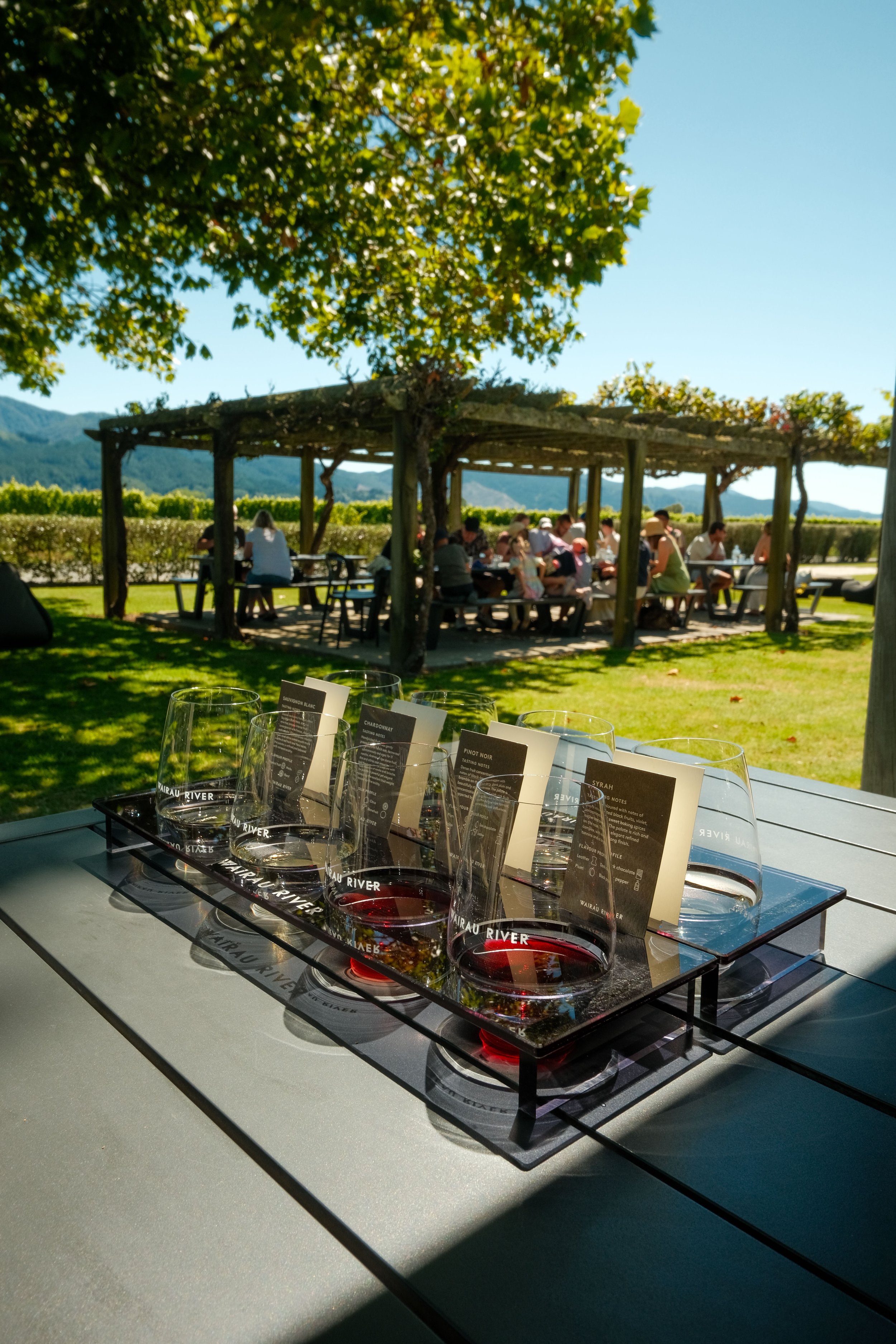
After a day hiking around a beautiful blue lake in Nelson Lakes National Park, we saved our final day in Blenheim for something I’d been anticipating for months: wine tasting. Back in DC, I had a monthly routine of stopping by Total Wine & More, heading straight to the New Zealand section, and restocking my supply of Marlborough Sauvignon Blanc. Standing in the very region where those bottles were produced felt a little surreal. We started with a long, leisurely lunch and tasting at Wairau River, then made our way to Nautilus, Spy Valley, and Cloudy Bay. We left each winery with at least one bottle in hand, which we happily worked through over the next couple of weeks - one of the many perks of road-tripping instead of flying with carry-ons.
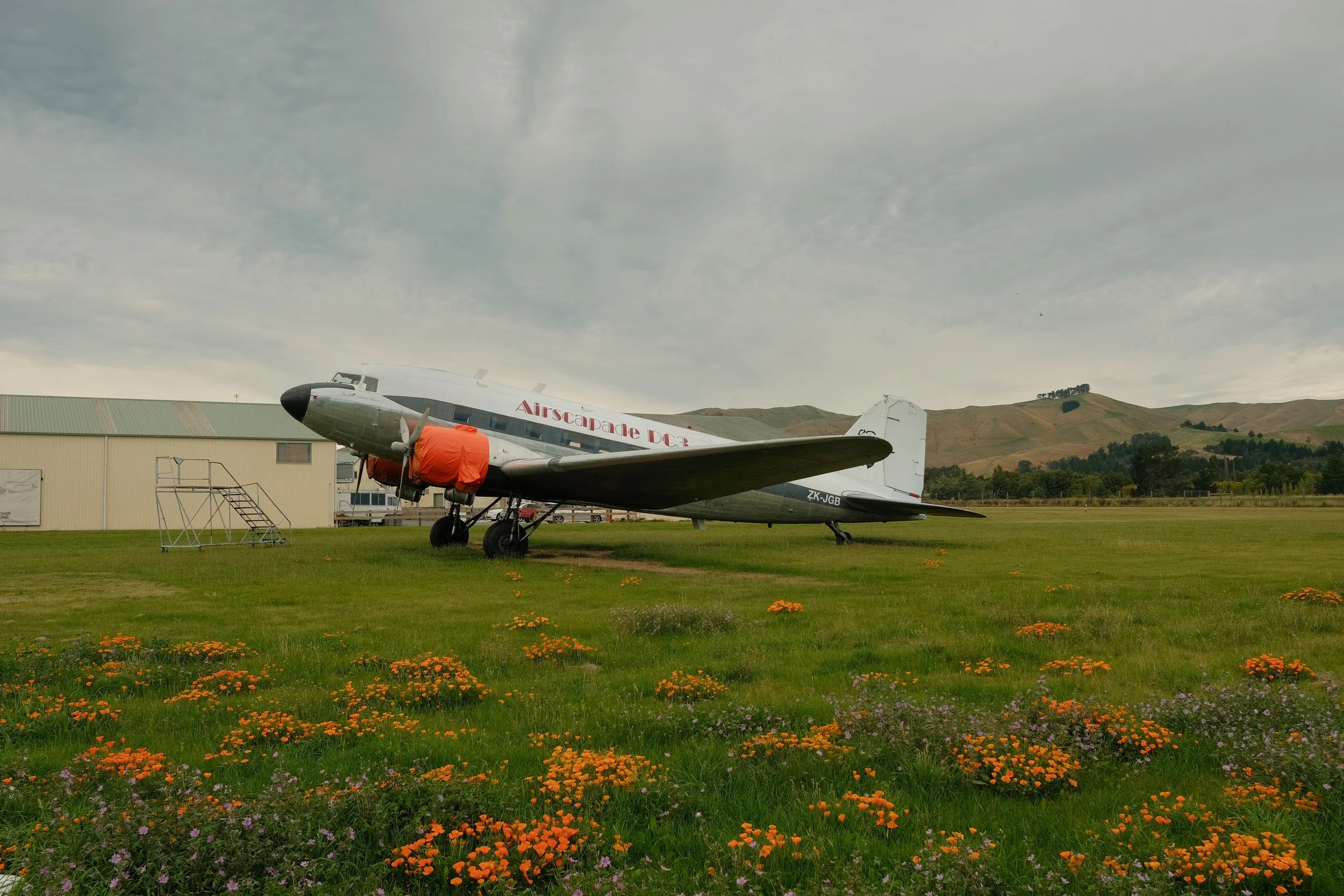
On our way out of Blenheim, we stopped at the Omaka Aviation Heritage Centre, home to a remarkable collection of WWI and WWII aircraft displayed alongside detailed stories of the people who flew them. And because this is New Zealand, there’s also a Lord of the Rings connection: the WWI exhibit features the personal collection of aircraft and artifacts belonging to director Peter Jackson, a devoted aviation enthusiast. Until visiting this museum, along with the Gallipoli exhibit in Wellington, I hadn’t fully grasped how deeply the world wars affected New Zealand. Among the dominions of the British Empire, it suffered the highest proportion of military-age men killed, around 5%. For such a small country, that scale of loss feels especially staggering.
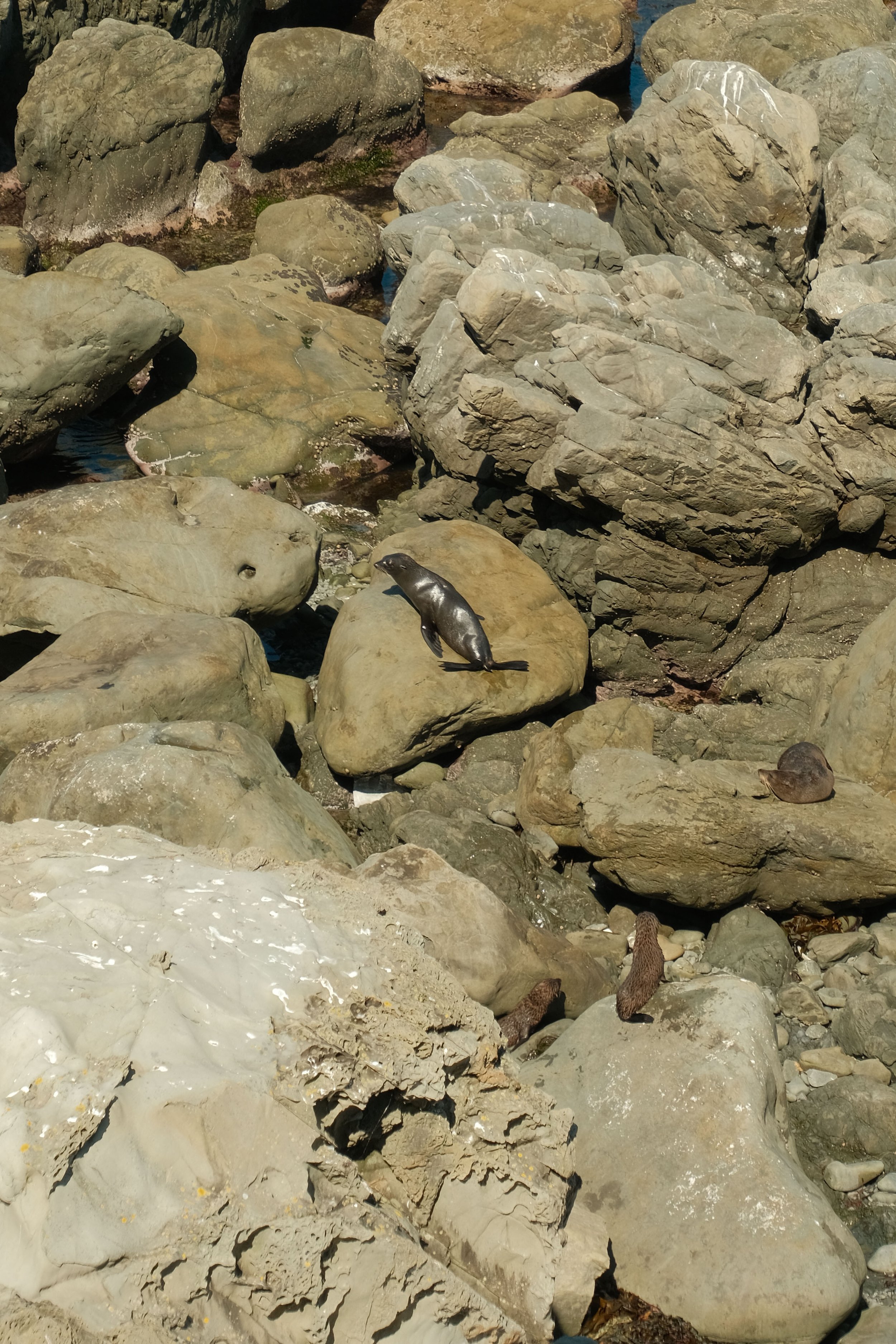
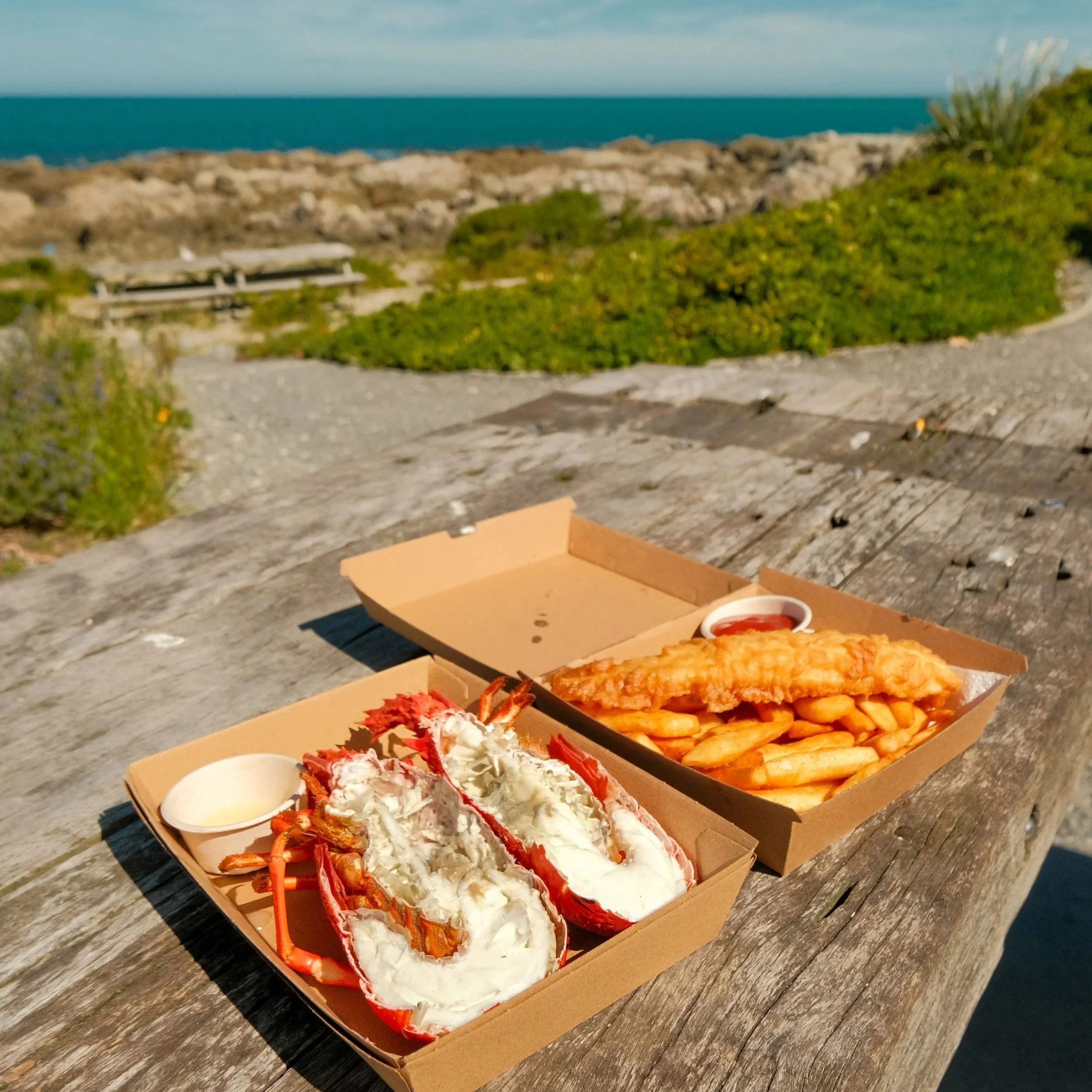
From there, we headed south to Kaikōura, a small coastal town where the mountains meet the sea. We pulled over at a lookout to watch fur seals lounging on the rocks, including a few baby seals bouncing clumsily between them. A short drive later, we stopped at Nin’s Bin, a white-and-teal striped caravan known for its crayfish (New Zealand’s clawless version of lobster). Inside, a large container held the day’s catch, each crayfish labeled with its price in Sharpie directly on the shell. We picked one of the smaller ones, and they split it in half and handed it over with fresh lemon squeezed on top. We ate at a picnic table overlooking the ocean while seagulls hovered hopefully nearby. The meat was sweet and firm, almost like tender chicken, and, unlike Maine lobster, the legs were surprisingly easy to crack. By the end, there wasn’t a single scrap of meat left in the shell.
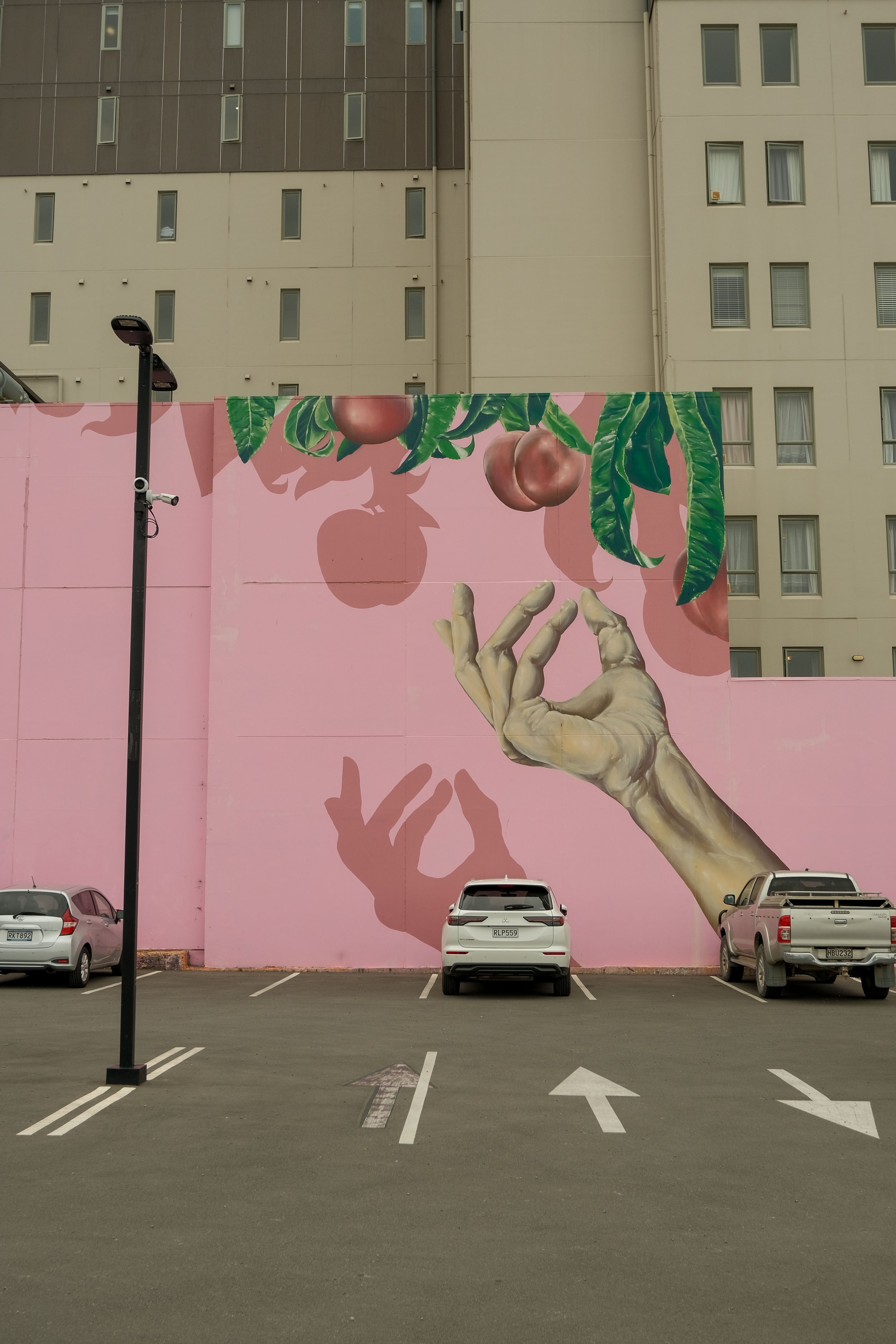
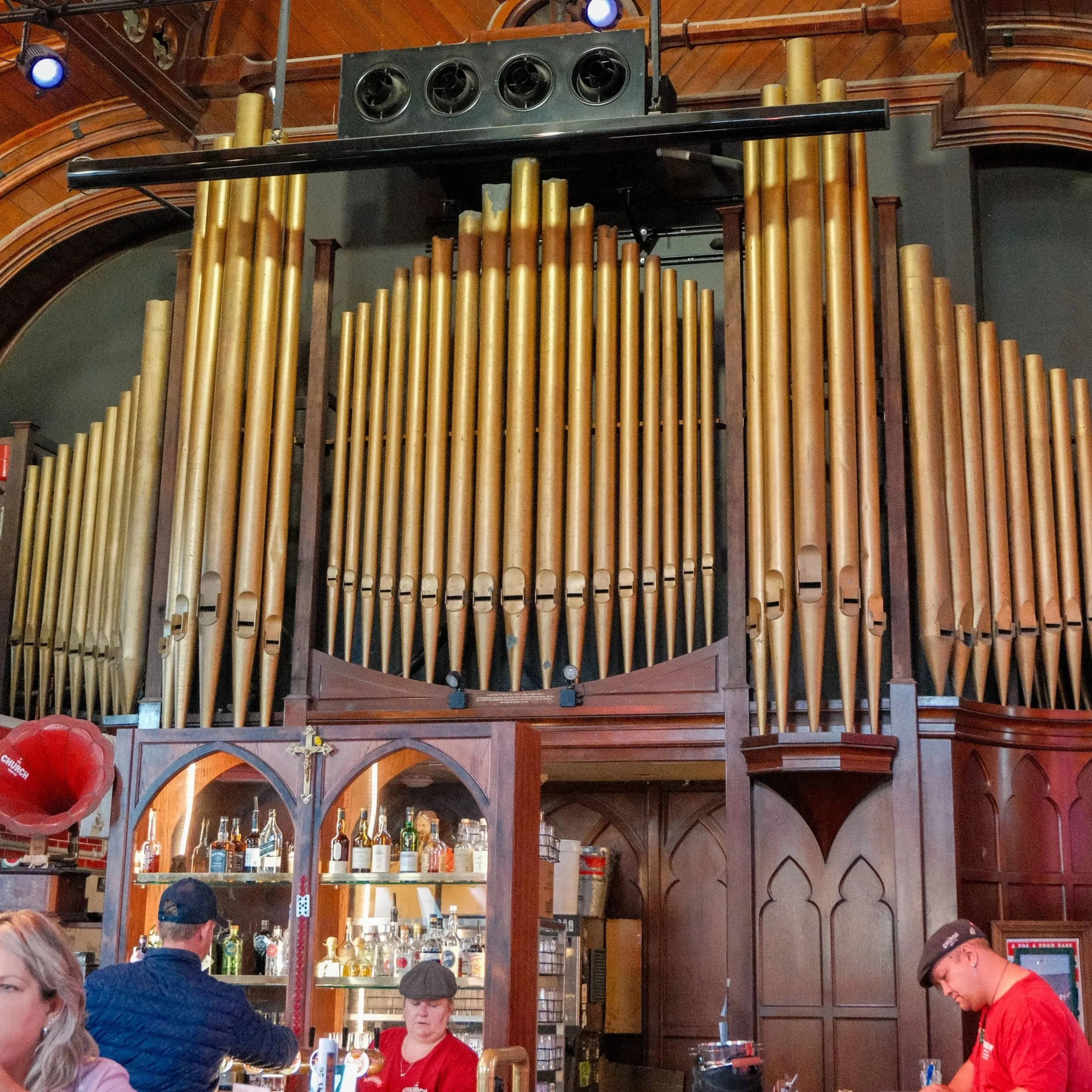
Continuing south, we arrived in Christchurch, New Zealand’s second-largest city. A 6.3-magnitude earthquake in 2011 devastated and subsequently reshaped much of the historic center, and more than a decade later the rebuilding is still part of the city’s fabric. Cranes and contemporary buildings stand alongside restored historic facades, while wide, flat streets lined with colorful murals give the city a distinctly modern, open feel. We had lunch at Riverside Market, grabbed pints of Guinness at The Church Pub (a former church converted into a bar, complete with Gothic arches and organ pipes), and wandered through the Botanic Gardens, pausing to quite literally stop and smell the roses.
One of the highlights of our time there was meeting up with Hanqing’s friend Max and his wife, Meredith, who moved to Christchurch a few years ago. They brought us to a few favorite local spots and invited us to a Super Bowl watch party with their friends. On such a quintessentially American “holiday,” it was so nice to have a small taste of home while abroad. While the New Zealand broadcast disappointingly skipped the American commercials, it did include an ad for a fantasy cow league, where participants draft real dairy cows to compete for the highest milk production. Cultural exchange at its finest.
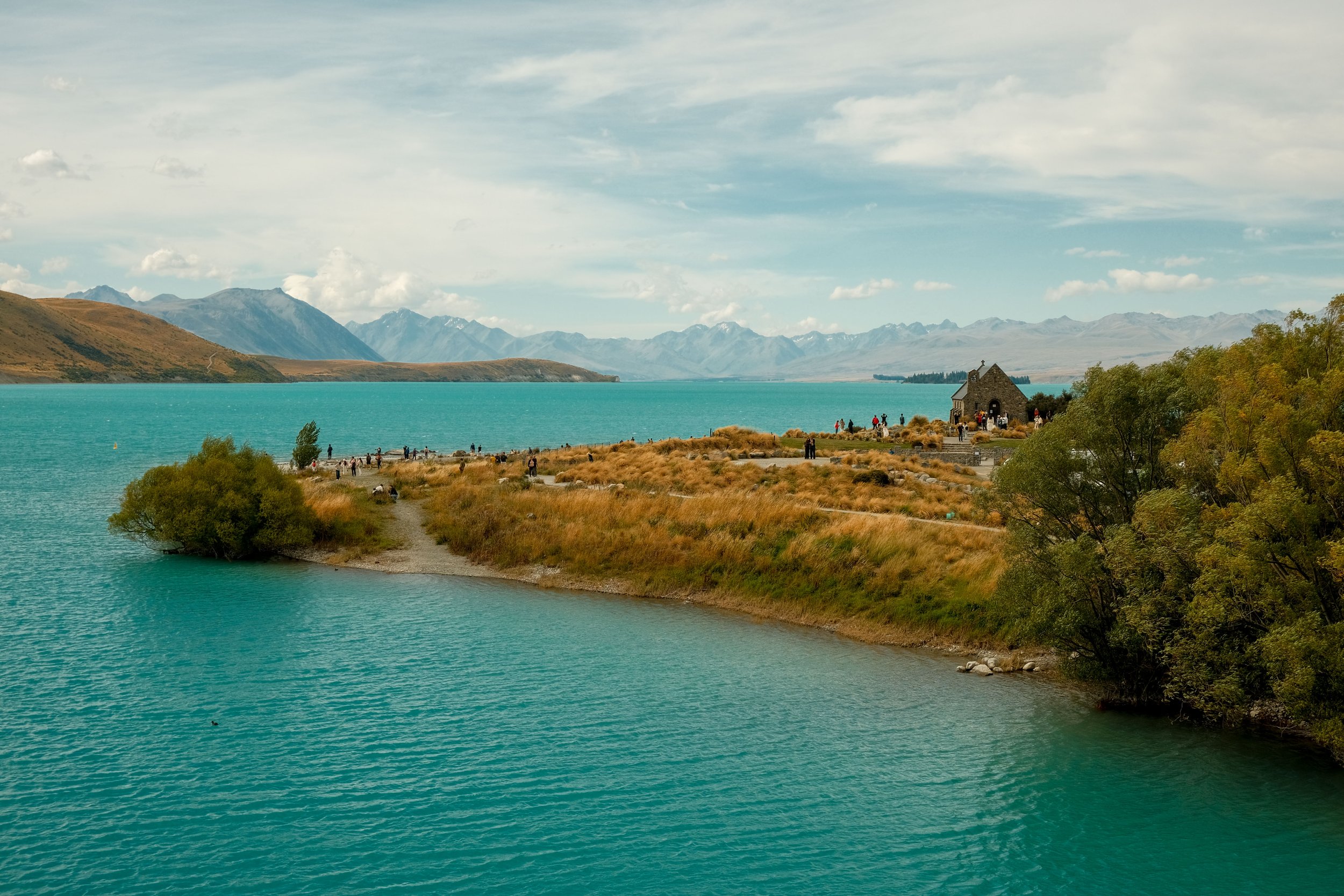
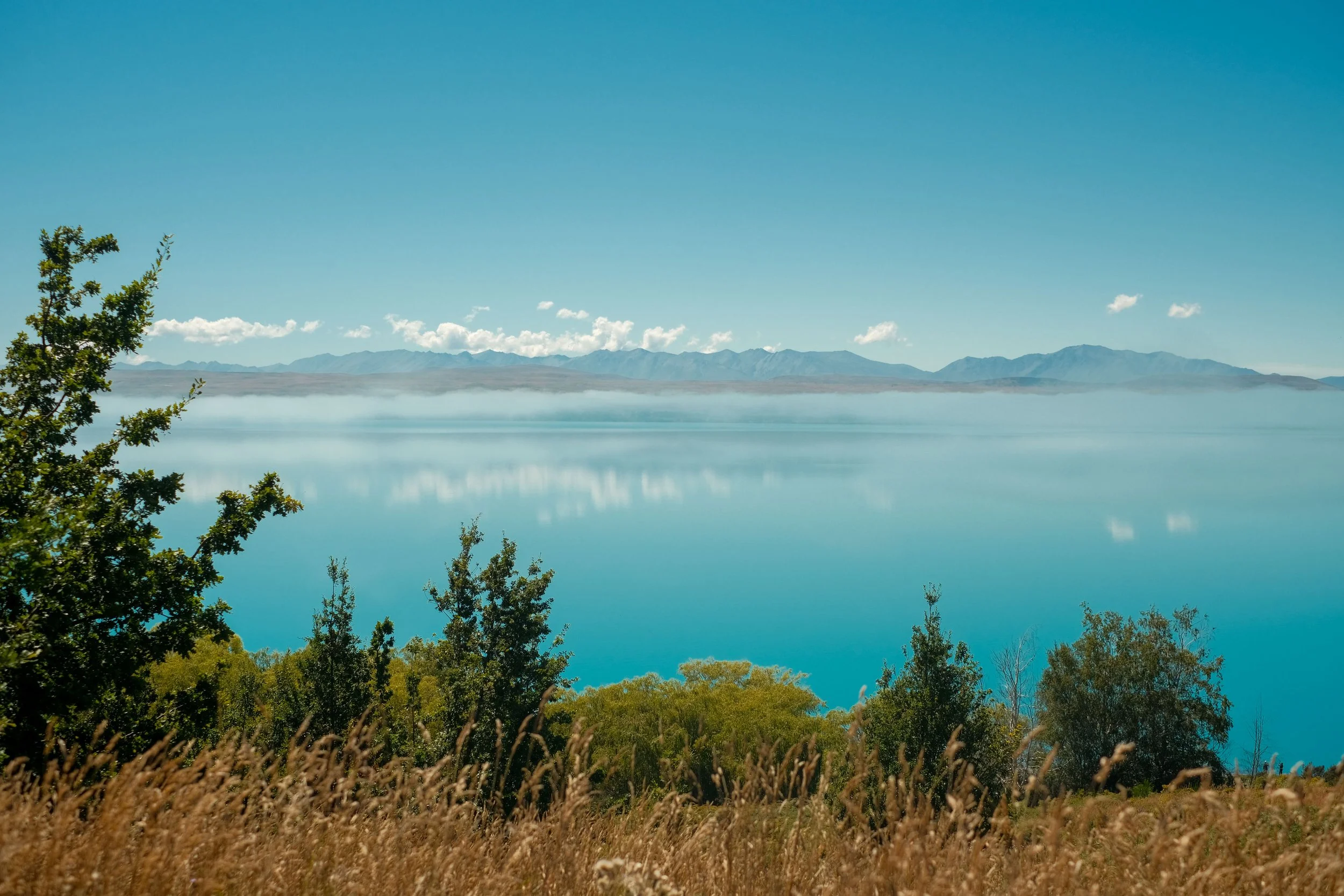
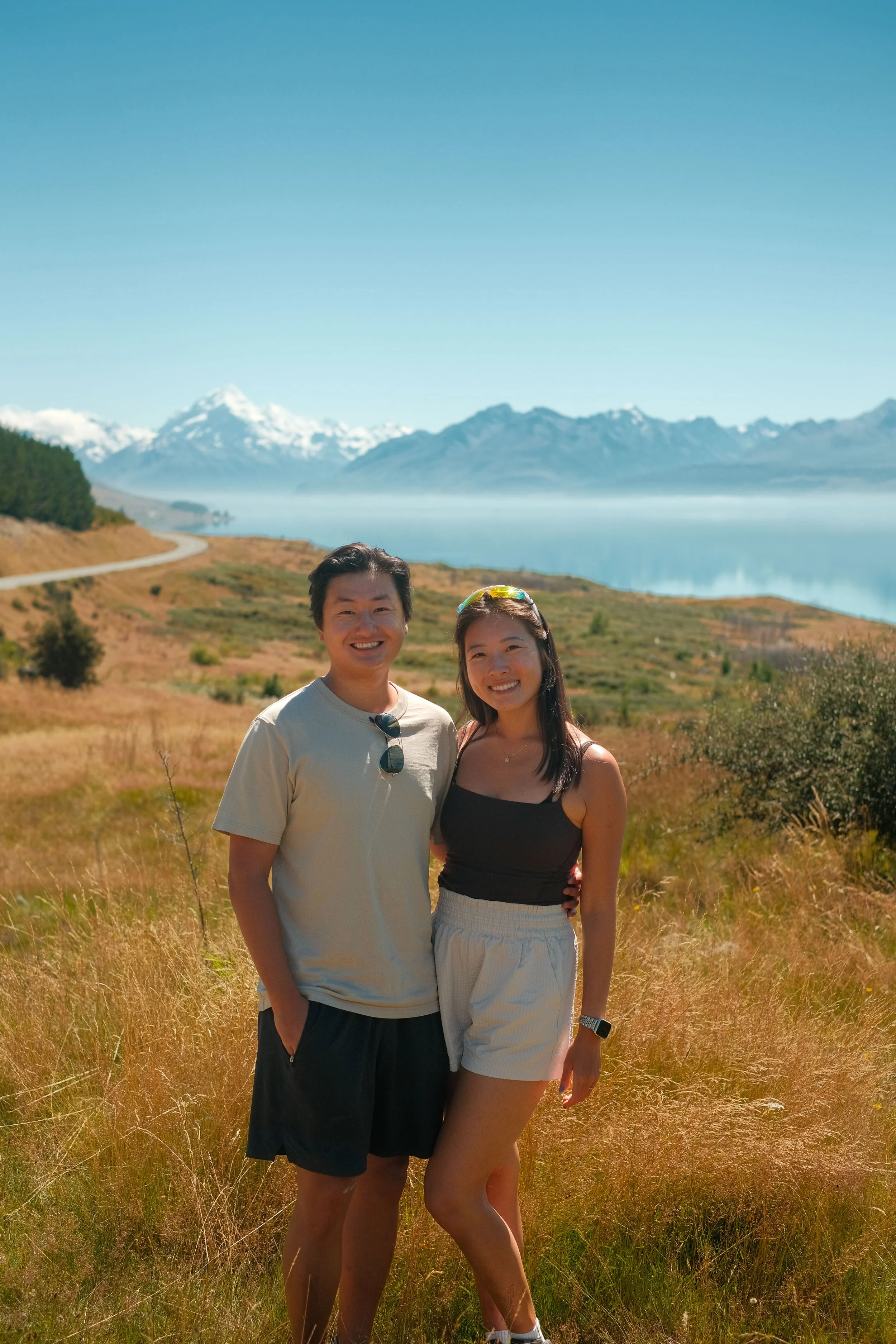
From Christchurch, we headed southwest toward a part of New Zealand I had been especially excited about, thanks in large part to my Instagram feed convincing me it might be the most beautiful place on earth. First stop: Lake Tekapo, known for its milky turquoise water and fields of pink and purple lupines. We arrived a couple of months past peak bloom, so most of the flowers were already gone, but the lake itself was still stunning. About 40 minutes down the road sits Lake Pukaki, another brilliantly blue glacial lake. Where Tekapo was quaint and picturesque, Pukaki felt vast and cinematic, with Mount Cook rising in the distance.
We then continued toward Mount Cook Village along one of the most scenic roads we’ve ever driven - unreal blue water stretching beside us as the mountain slowly grew larger ahead. Since we were staying overnight, we made the drive in the late afternoon, after most of the day-trippers had cleared out. For long stretches, it felt like we had the view almost entirely to ourselves.
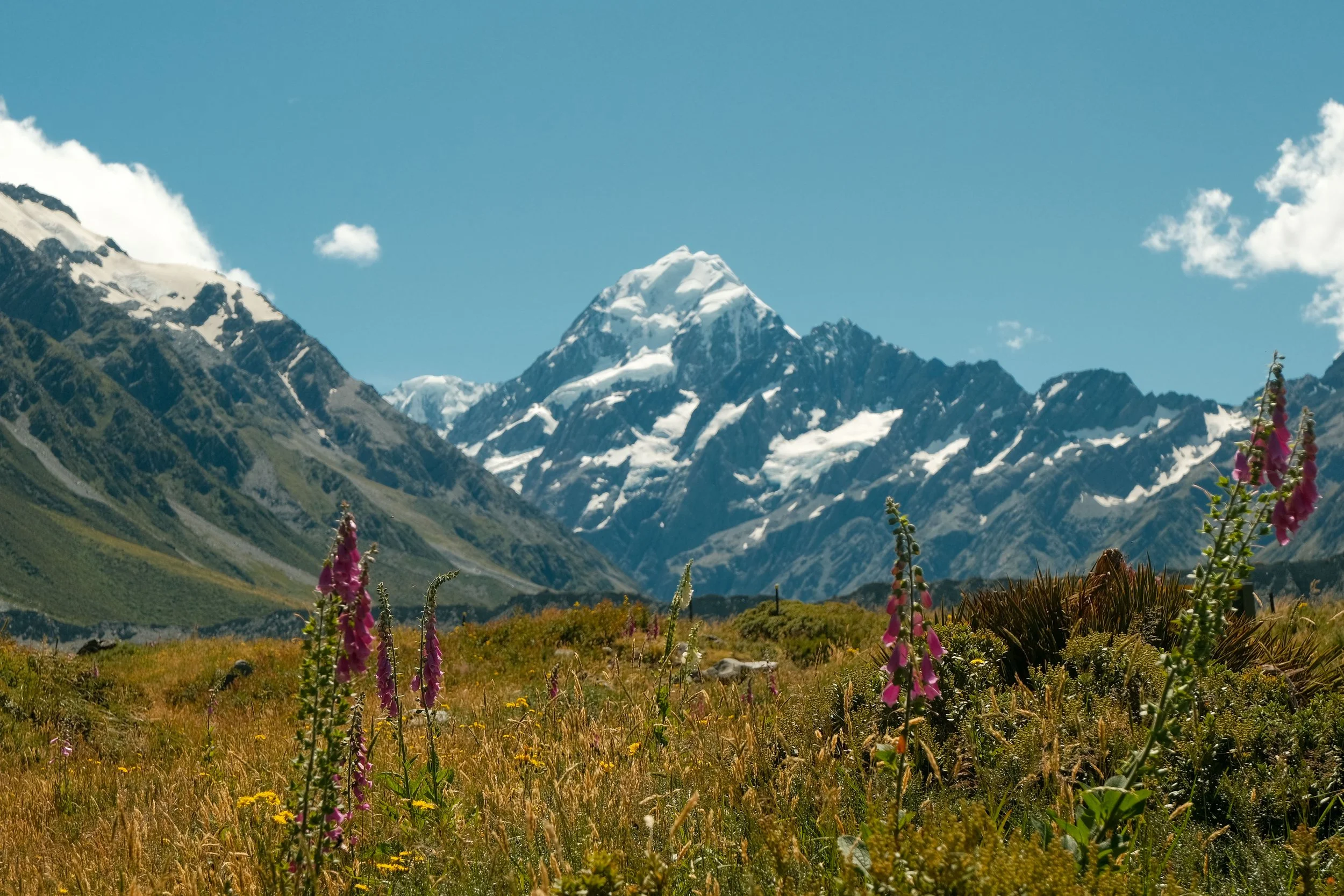
The following day was dedicated to exploring Mount Cook National Park. At 3,724 meters, Mount Cook (Aoraki in Māori) is New Zealand’s tallest mountain, surrounded by peaks and glaciers. Despite its scale, the park is surprisingly accessible. We hiked to Kea Point twice - once in the morning and once at sunset - for straight-on views of Mueller Glacier Lake with Mount Cook behind it. In between, we tackled the Sealy Tarns hike, nicknamed the “Stairway to Heaven,” which consists of roughly 2,000 steps straight up the valley wall. It felt like an extended StairMaster session. To distract myself from my burning quads, I counted every step. After 1,903 (97 fewer than advertised!), we reached the top and were rewarded with panoramic, eye-level views of the mountains and a small tarn (aka mountain pond) reflecting the sky like a mirror.
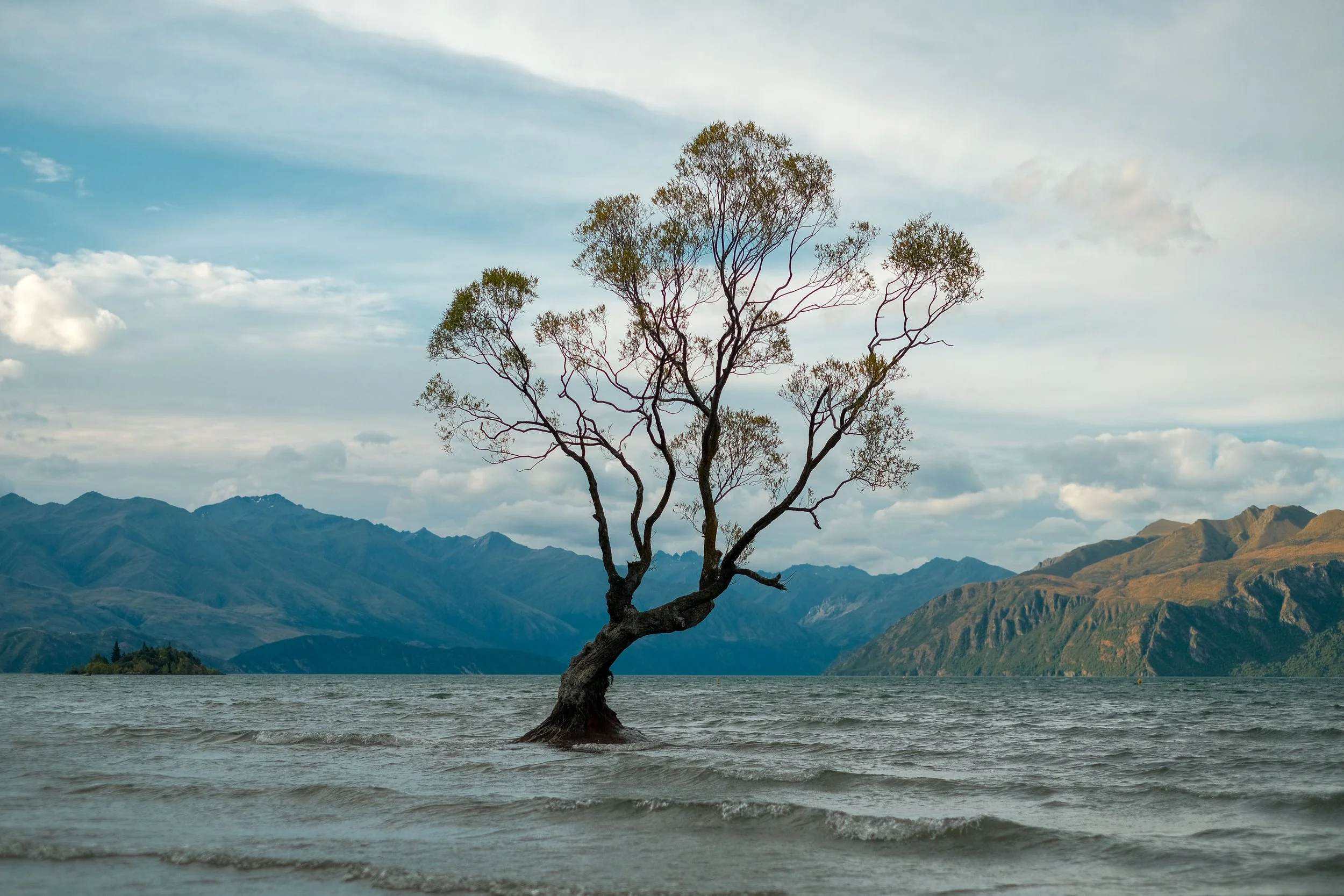
From there, we continued to Wanaka, a small, vibrant lakeside town that took me by surprise. I didn’t know much about it beforehand, but it quickly became one of my favorite towns we’ve visited so far. The main street and lakeside promenade are lined with cafés, boutiques, bars, and galleries, yet it never felt overly commercial. Even with plenty of tourists around, the town still felt warm and approachable. One of the most popular sights in town is “That Wanaka Tree,” a lone willow growing straight out of the lake. It’s kind of mind-blowing that a single tree has racked up over 6,500 Google reviews, but somehow that just adds to the town’s charm.
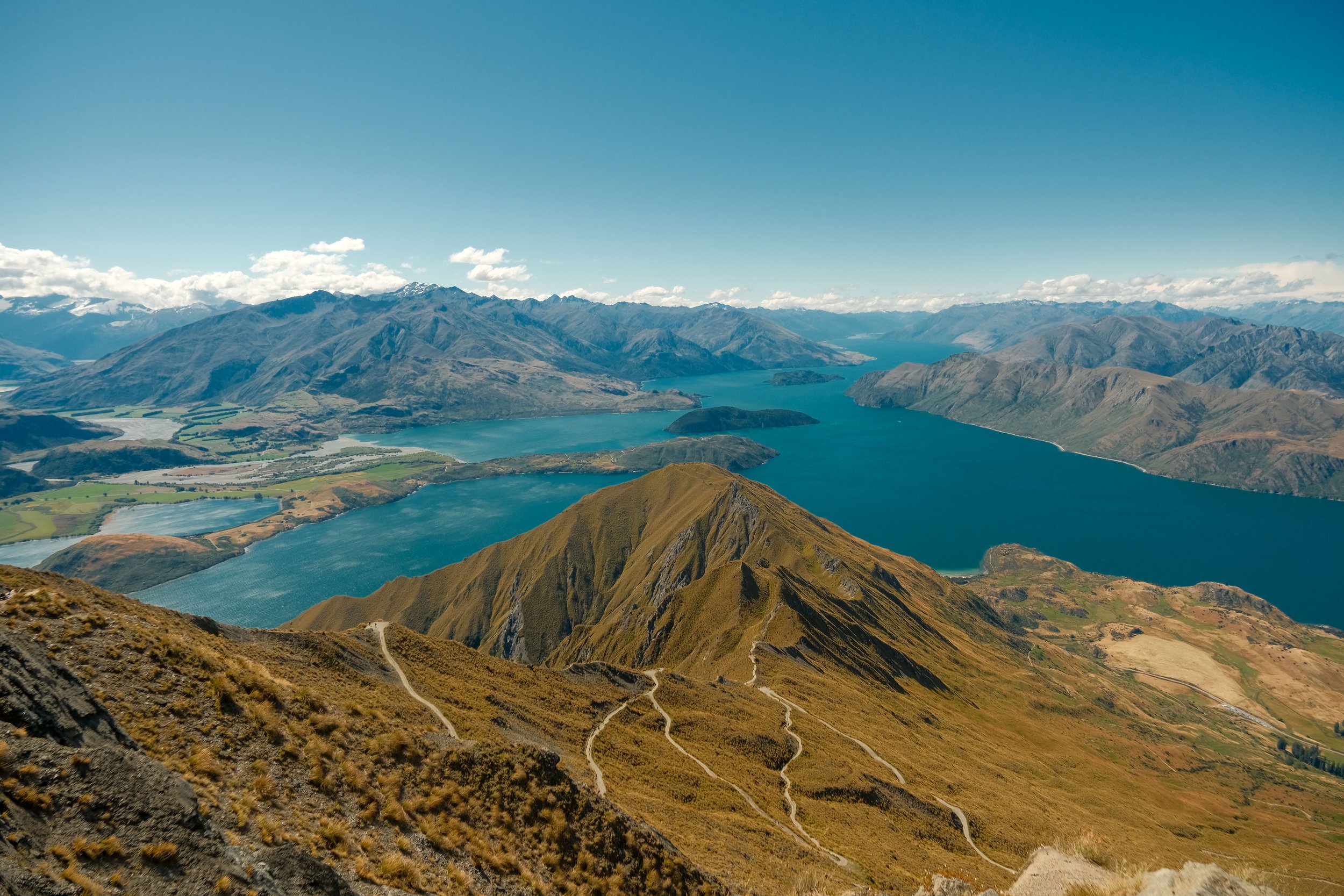
The next day, we did something rare: we went our separate ways. After six months of near-constant togetherness, that felt oddly significant. Hanqing took my camera and set off to hike Roy’s Peak, a challenging 16km trail with panoramic views, while I stayed back to rest my slightly aggravated runner’s knee (those darn stairs from Sealy Tarns!) and catch up on blogging. I spent the day on our Airbnb patio with my laptop and a glass of wine, cozy yet productive, and he returned later with incredible photos and multiple sheep sightings to report.
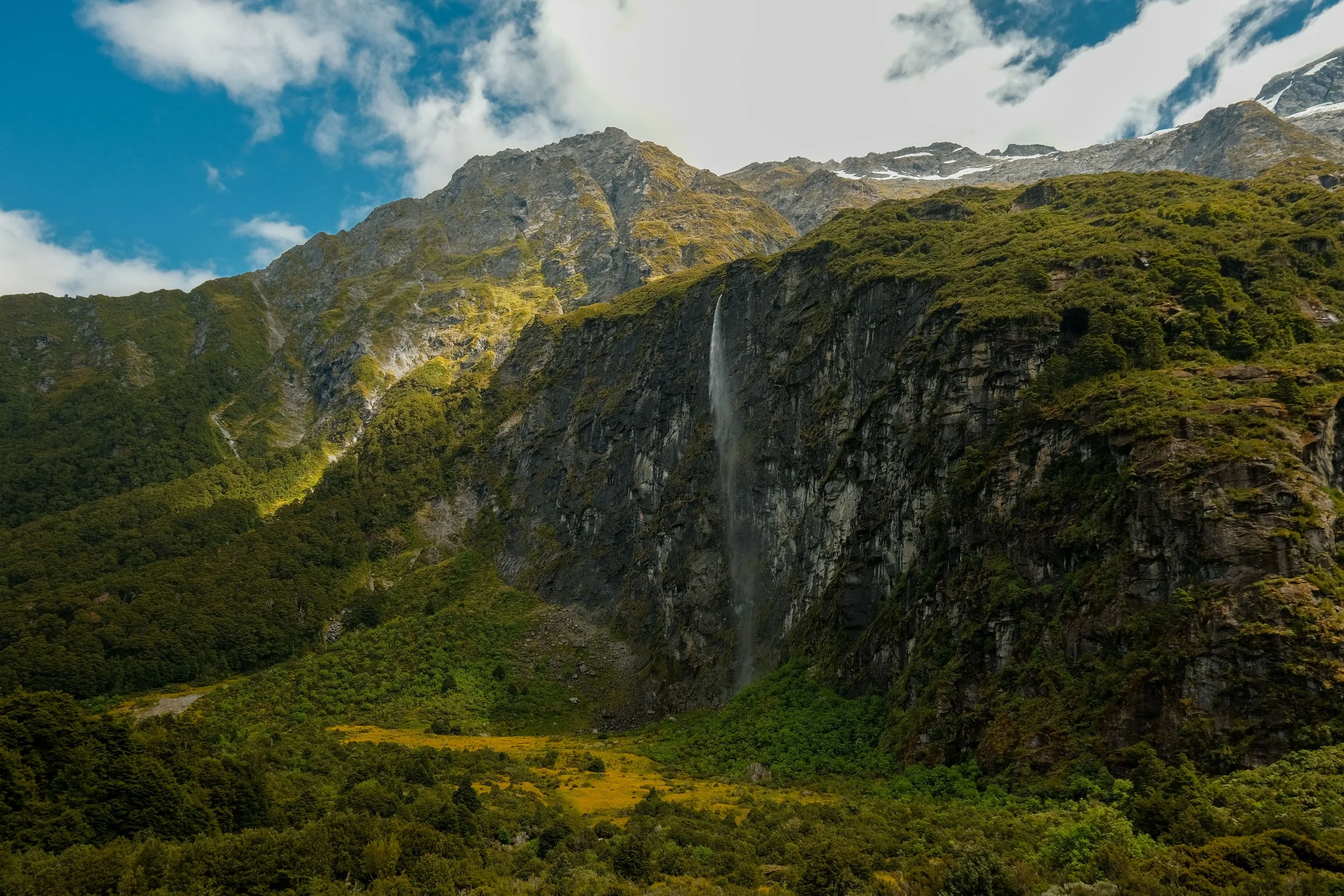
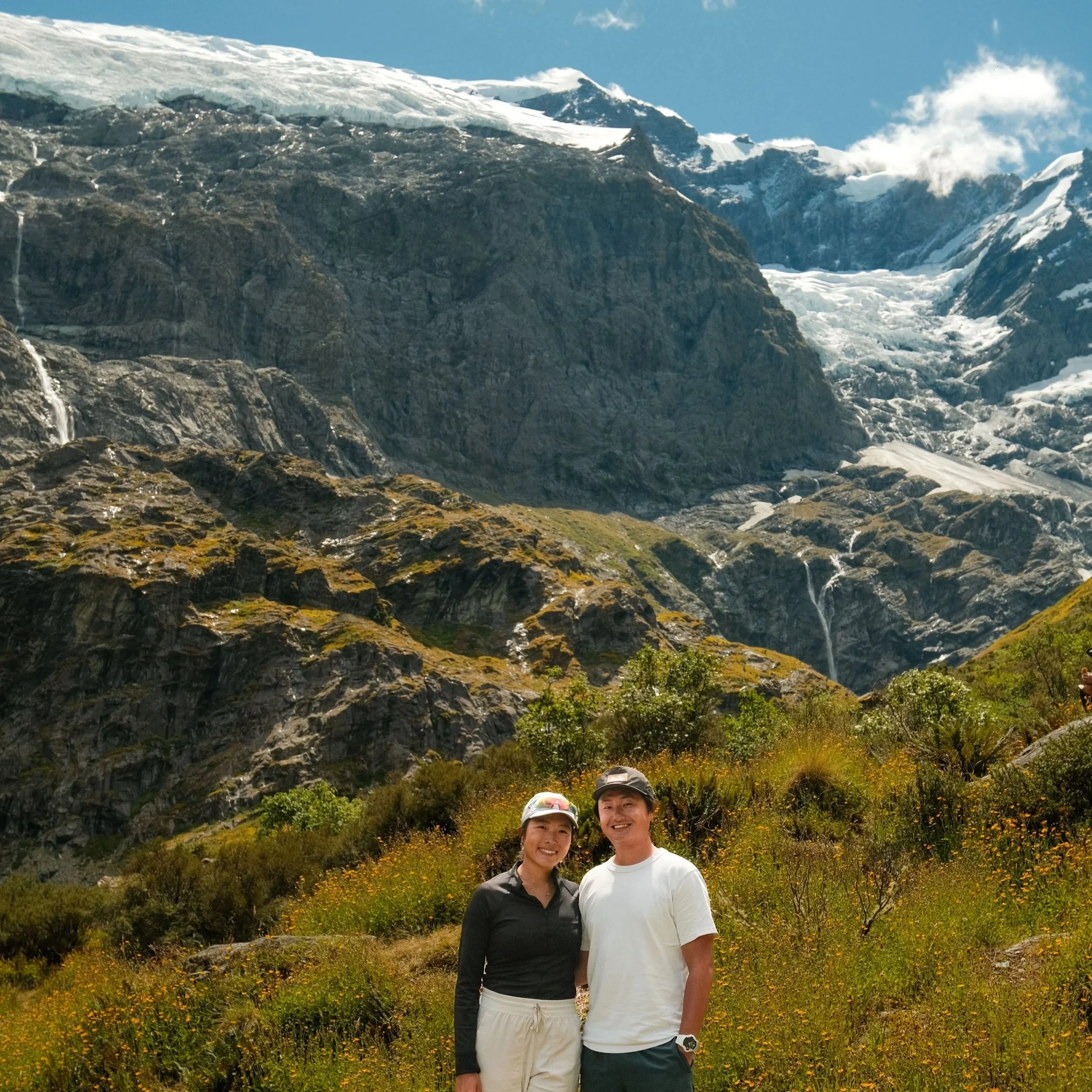
Once my knee felt properly rested, we drove into Mount Aspiring National Park to hike to Rob Roy Glacier. The drive there involved a long gravel road and a few shallow stream crossings - we had never been more thankful for renting an SUV. From the trailhead, we hiked through lush beech forest, across a suspension bridge, and past waterfalls before the path opened up to a close-up view of the glacier spilling dramatically down the valley. It was unlike anything I’d seen before. We were remarkably close to the ice, and in every direction there was something to take in - a meadow, a jagged ridgeline, a ribbon of waterfall cutting through rock. On the way back, we passed sheep grazing beside the trail, completely unbothered by humans, occasionally baa-ing back and forth to one another.
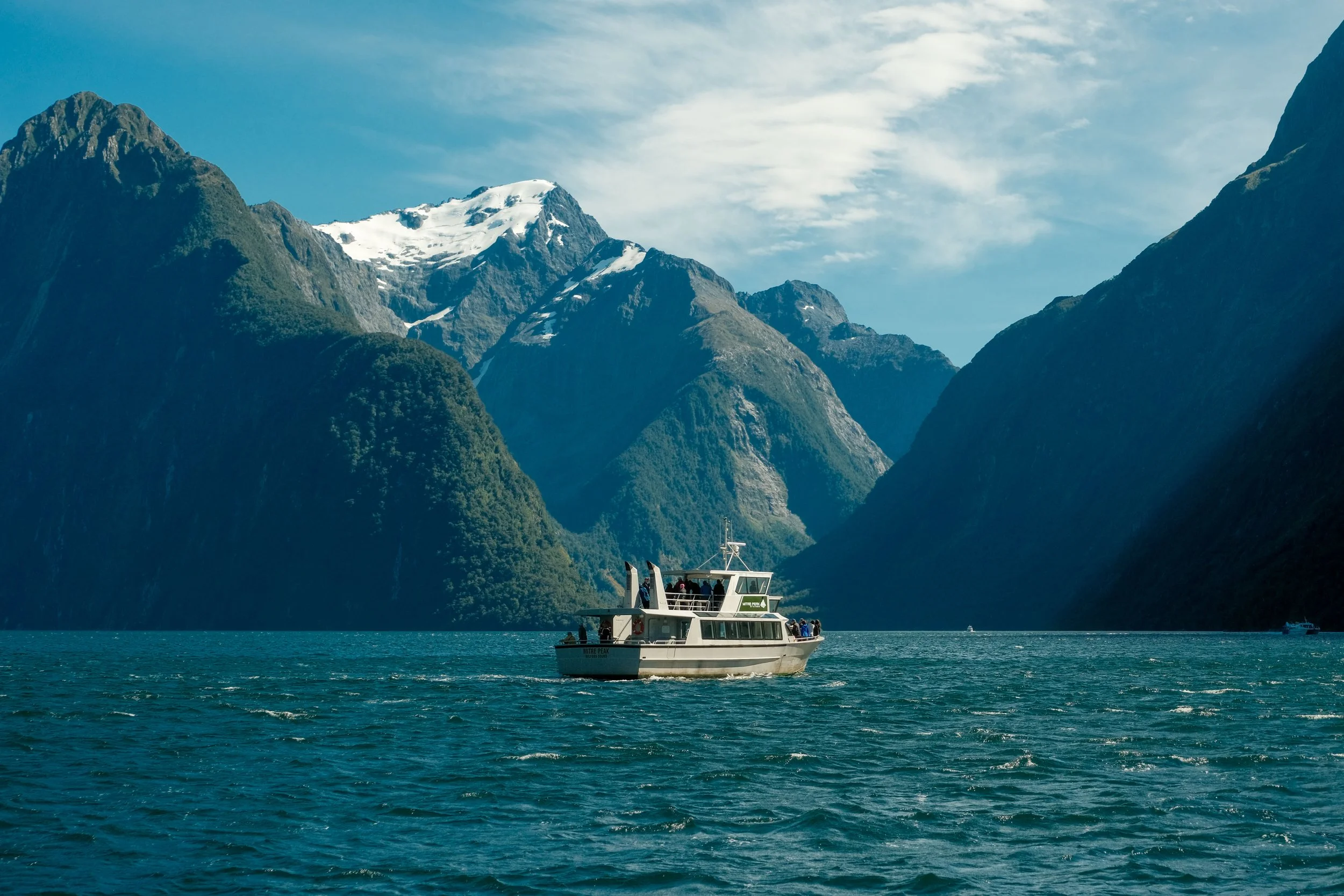
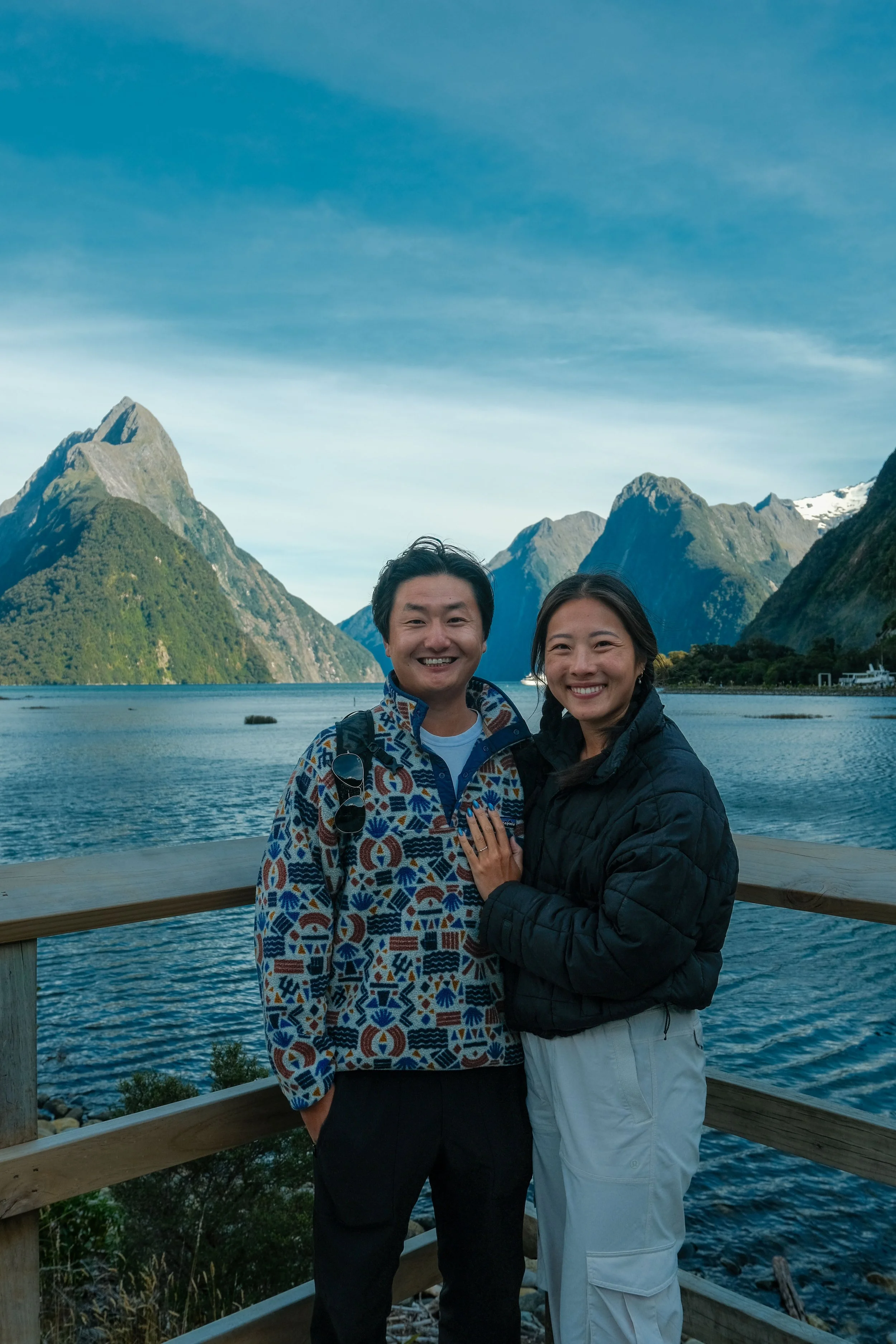
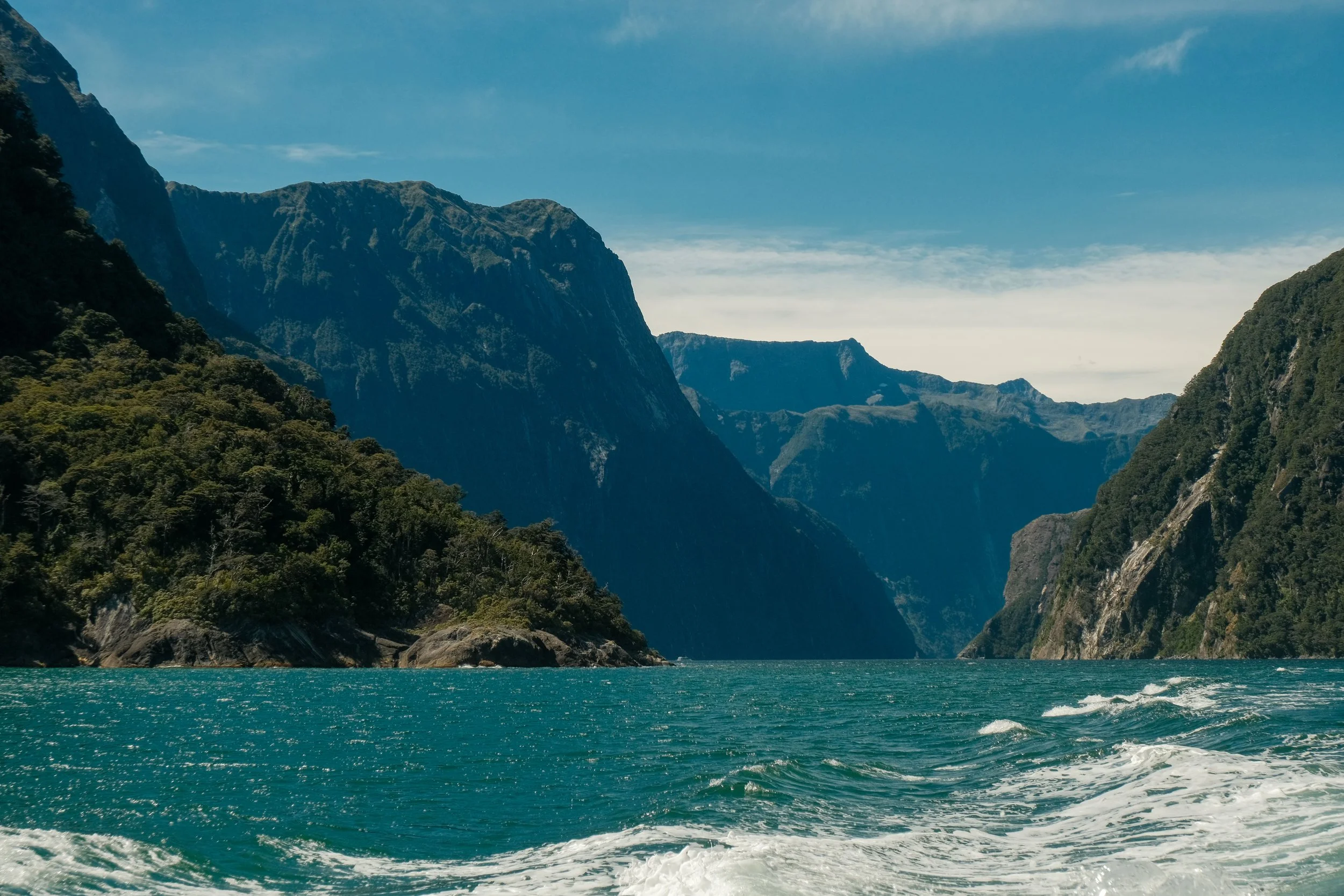
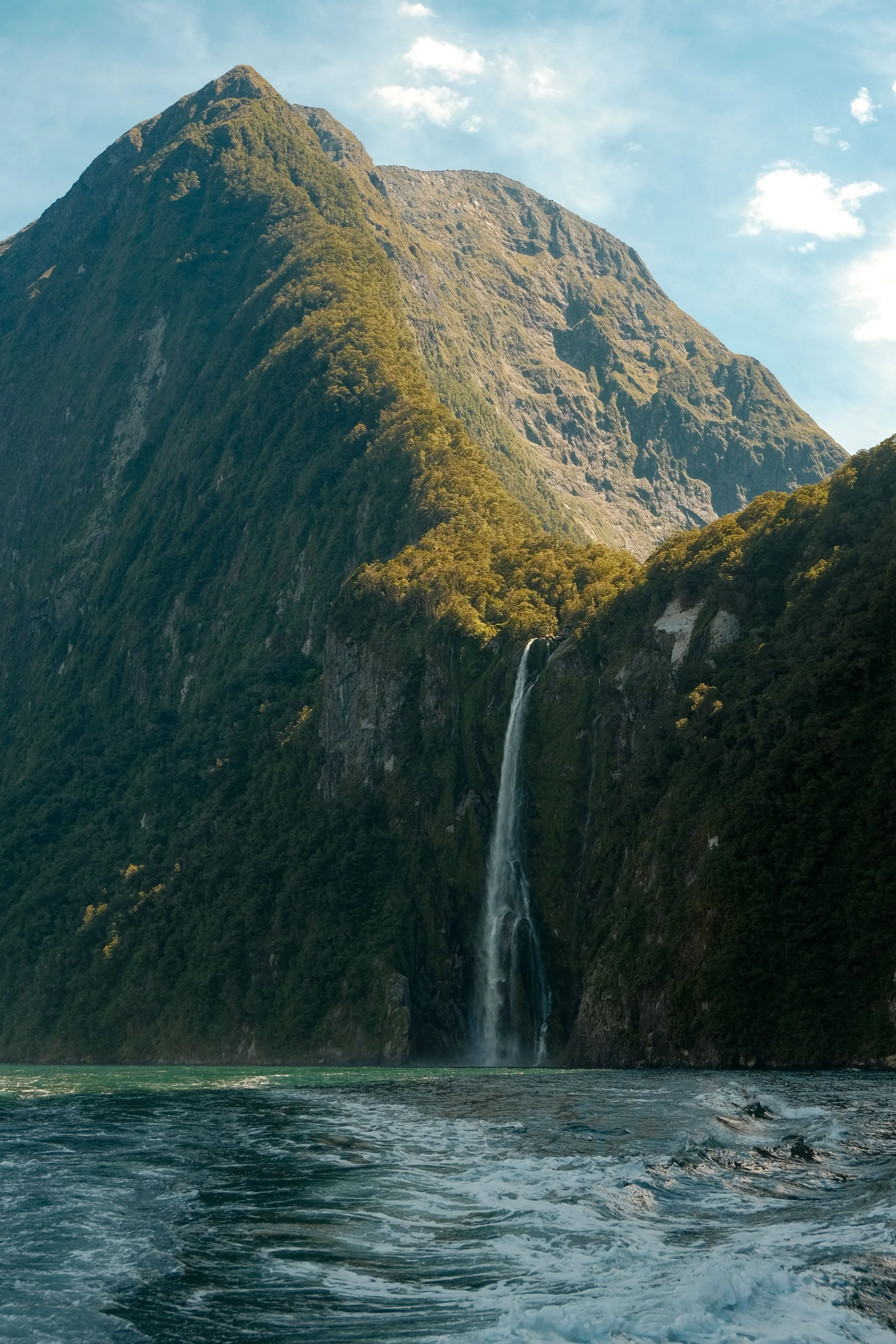
When we were planning our month-long trip to New Zealand, one of the experiences that sat at the top of our bucket list was a boat ride through Milford Sound. Located in Fiordland National Park, Milford Sound is often dubbed the “8th Wonder of the World.” And despite the name, it isn’t actually a sound - it’s a fjord, carved by glaciers rather than formed by flooded river valleys.
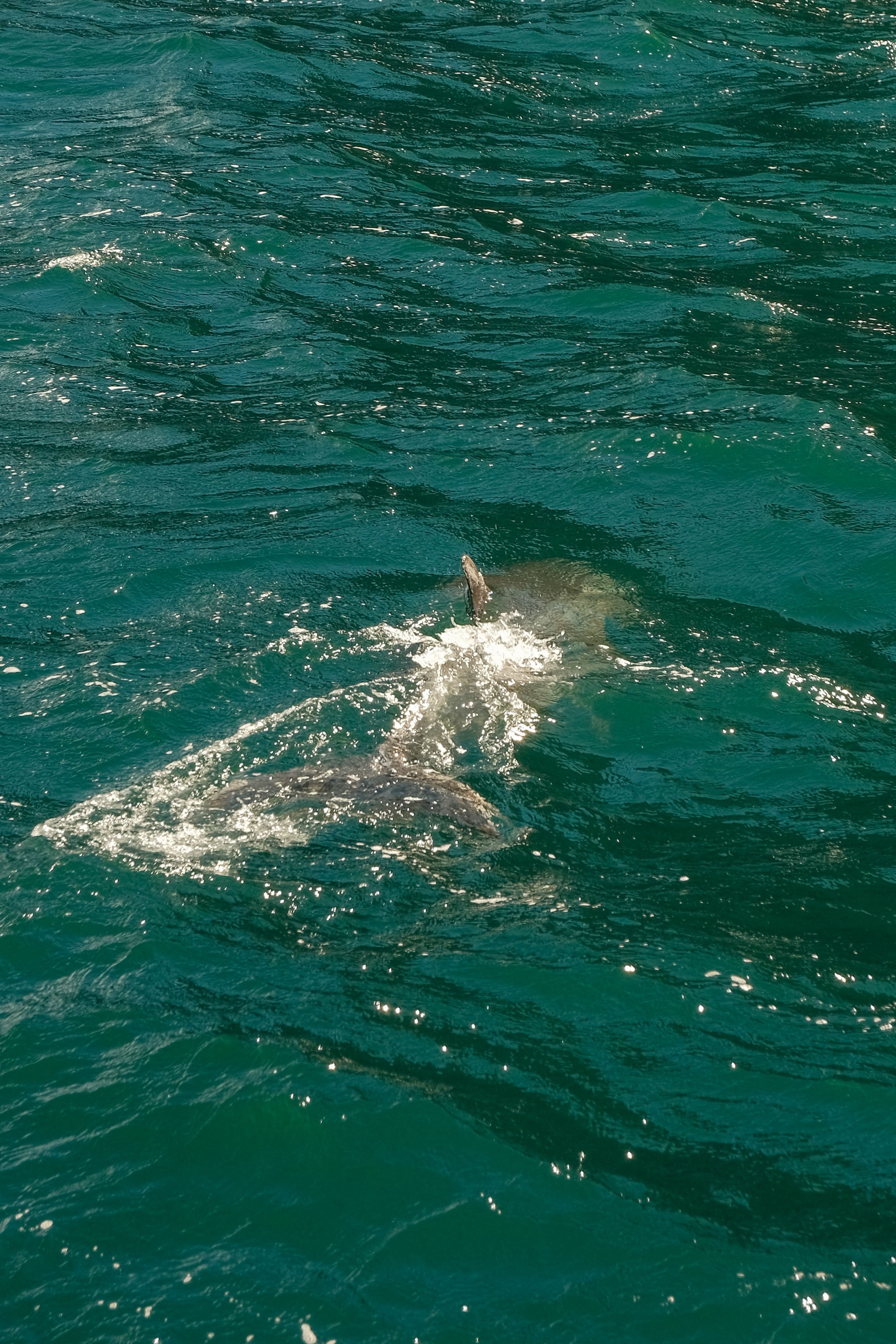
We booked our cruise months in advance, which was a bit of a gamble given that it’s one of the wettest places on earth, with rain falling nearly 200 days a year. People love to say the rain makes the waterfalls more dramatic, which I’m sure is true…but I’d still rather stay dry and see slightly smaller waterfalls than spend two hours getting drenched. Fortunately, we lucked out with beautiful weather. The two-hour drive from Te Anau to Milford Sound was spectacular in its own right. We passed by winding rivers, roadside waterfalls, dense forest, and towering mountains around every bend. Once we arrived, we boarded the boat and set off into a landscape that felt almost otherworldly: sheer cliffs plunging into dark turquoise water, waterfalls spilling down vertical rock faces, seals sprawled lazily across rocks. At one point, a pair of bottlenose dolphins appeared and swam alongside us, riding the bow waves of the boat. The two hours flew by and it easily ranked among my favorite experiences of the entire trip.
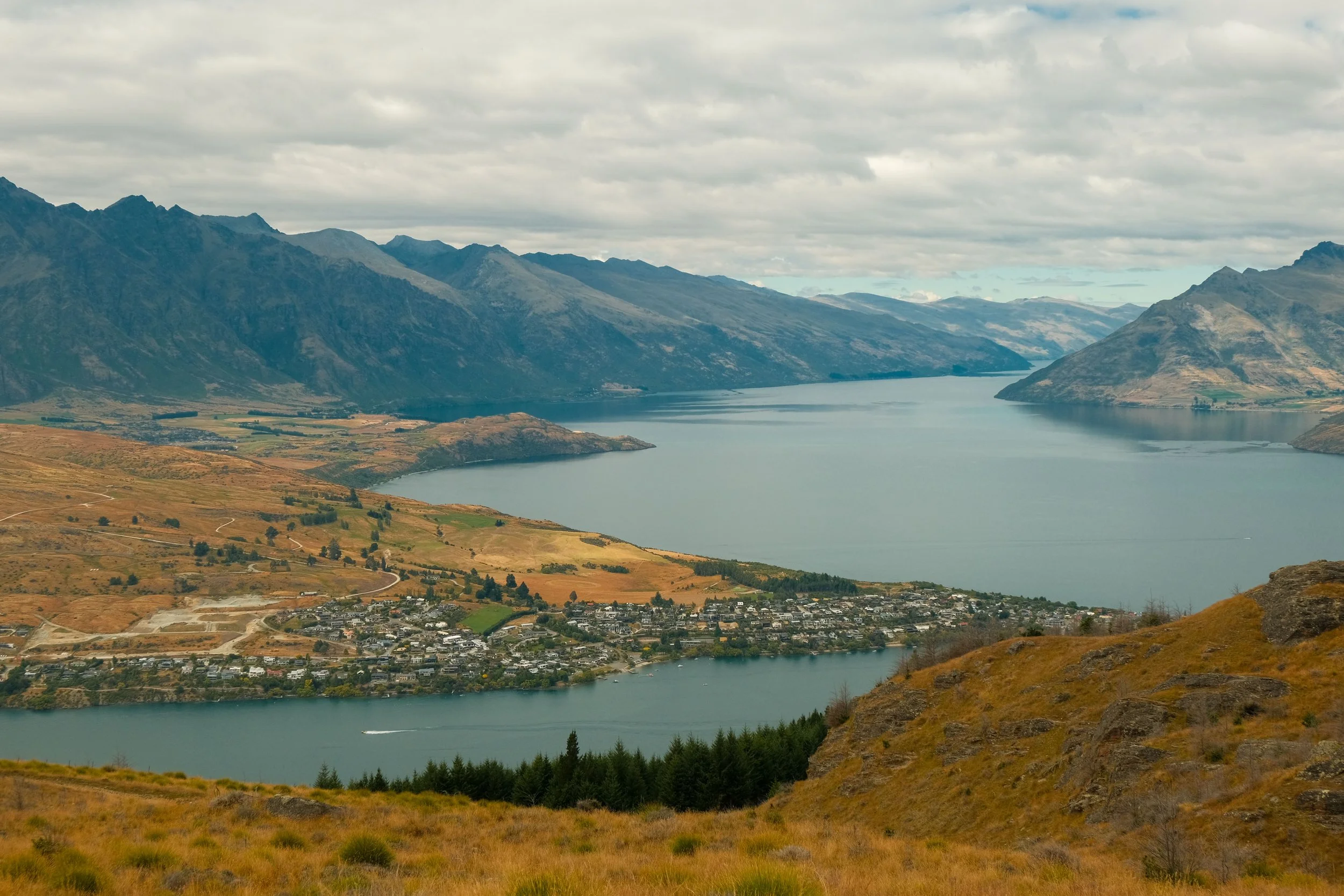
Our final stop on the South Island was Queenstown. Set on the shores of Lake Wakatipu and framed by the Remarkables mountain range, it’s widely known as New Zealand’s adventure capital. While the town draws adrenaline seekers for bungee jumping, jet boating, and parasailing, we opted for a slightly more leisurely pace, including some scenic hikes, winery and brewery visits, and wandering around the lively downtown.
We also happened to overlap with our friend Andrew (from our early Capital One days) and his wife Caroline, who are also on a career break to travel the world. It felt surreal to meet up in a completely different corner of the globe and catch up over drinks, comparing itineraries and sharing recommendations. There aren’t many people we know taking a career break to travel, so it was refreshing to talk to others navigating it in parallel.
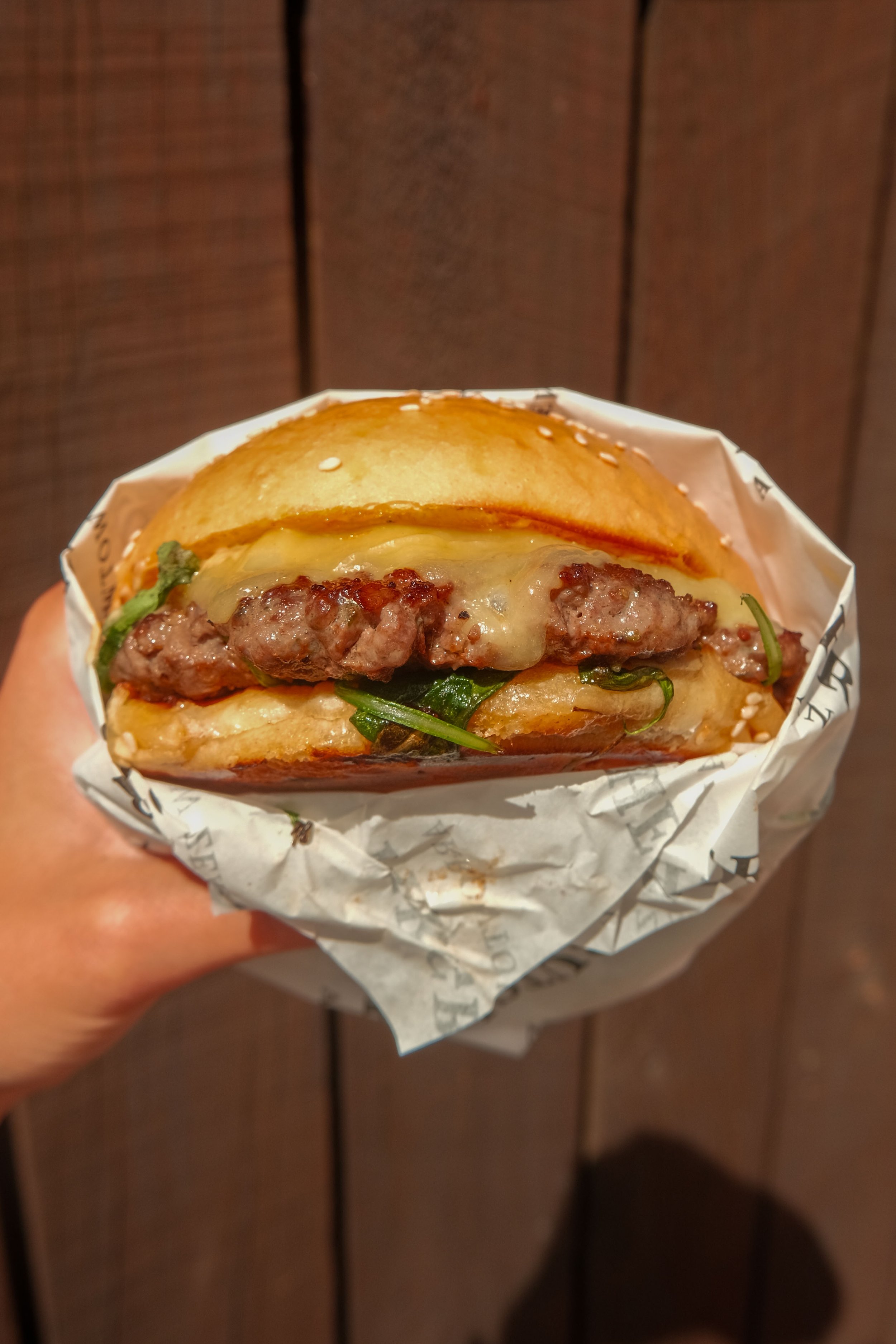
Throughout our research on Queenstown, one spot consistently came up in every single article and video: Fergburger, a gourmet burger joint. Every time we walked by during our first couple of days, the line stretched down the block and the wait seemed to be at least an hour. Naturally, this only made us more curious. How good could a burger be? Thankfully, Hanqing discovered a hack: Fergburger has a sister outpost about 20 minutes away in Arrowtown called Fergbutcher that serves the exact same burgers, minus the line. We made the drive the next day and walked straight up to the counter. The burger itself was undeniably good: juicy, well-balanced toppings, perfectly toasted bun. Slightly salty for my taste, but satisfying. I’m glad we tried it. I’m also very glad we didn’t wait an hour for it.
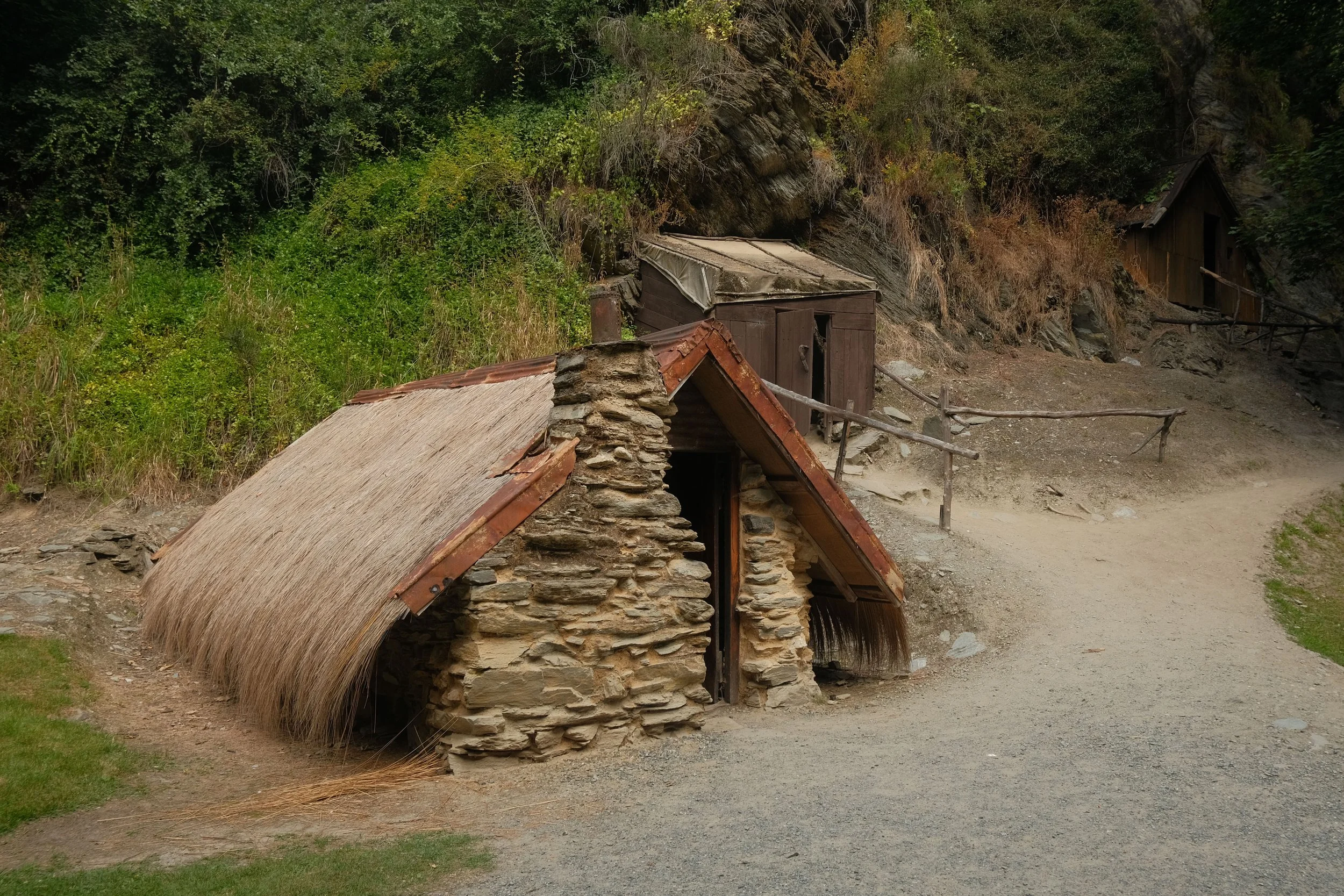
Arrowtown turned out to be more than just a burger detour. Once a gold rush hub in the 1860s, the town still carries that history in its preserved stone and timber buildings, now home to cafés, small shops, and galleries. A short walk from the main street brought us to the historic Chinese settlement, which felt especially meaningful on the first day of Chinese New Year. The preserved stone cottages tell the story of Chinese miners who came in the 1860s hoping to multiply their earnings, sometimes up to sixfold. About 15-20 men lived together in modest homes, forming a tight-knit community. Reading about the long journey by boat, the years of separation from family, and the discrimination they faced was hard-hitting. It was a bittersweet reminder of resilience and sacrifice, and a thoughtful way to close out our time on the South Island.
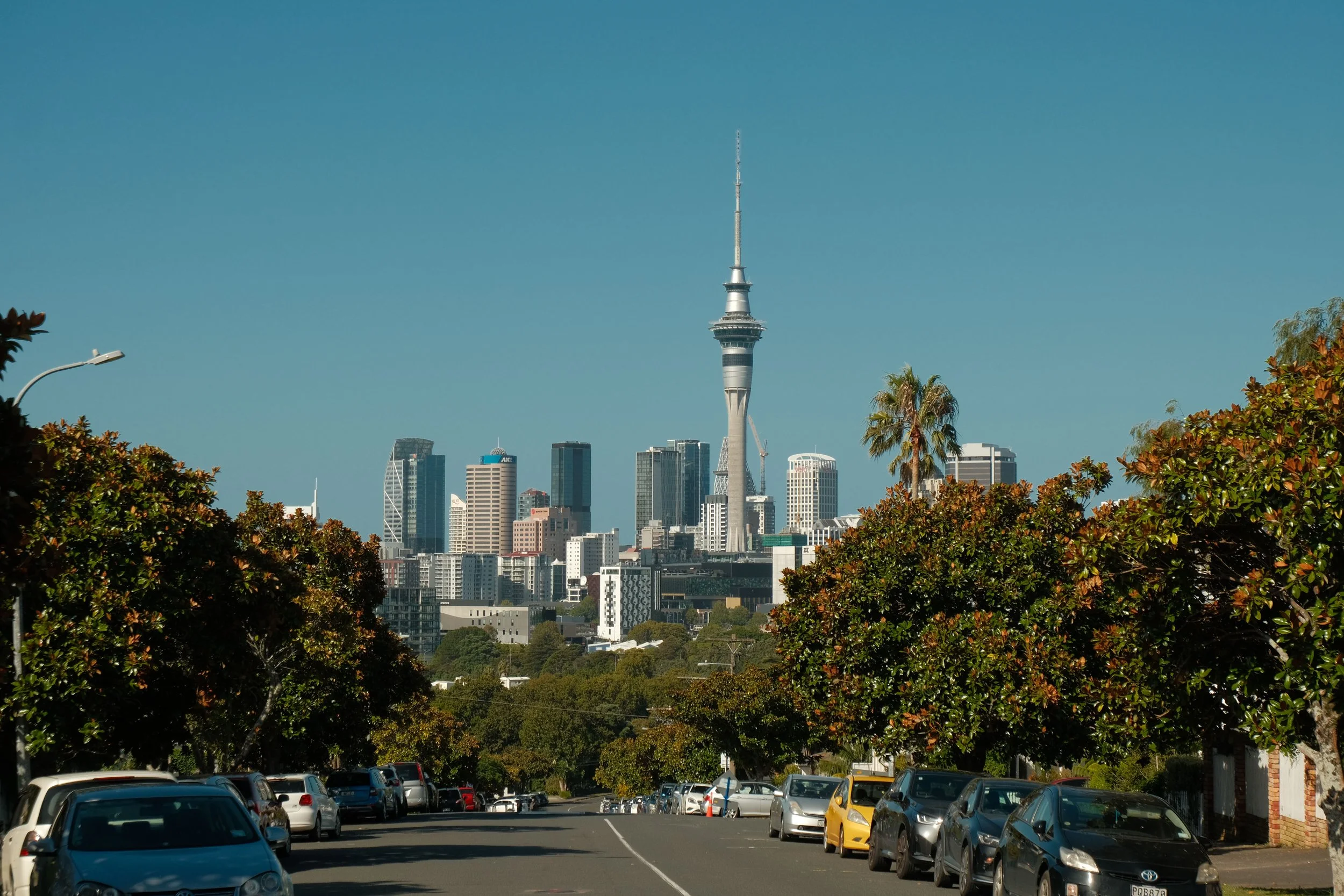
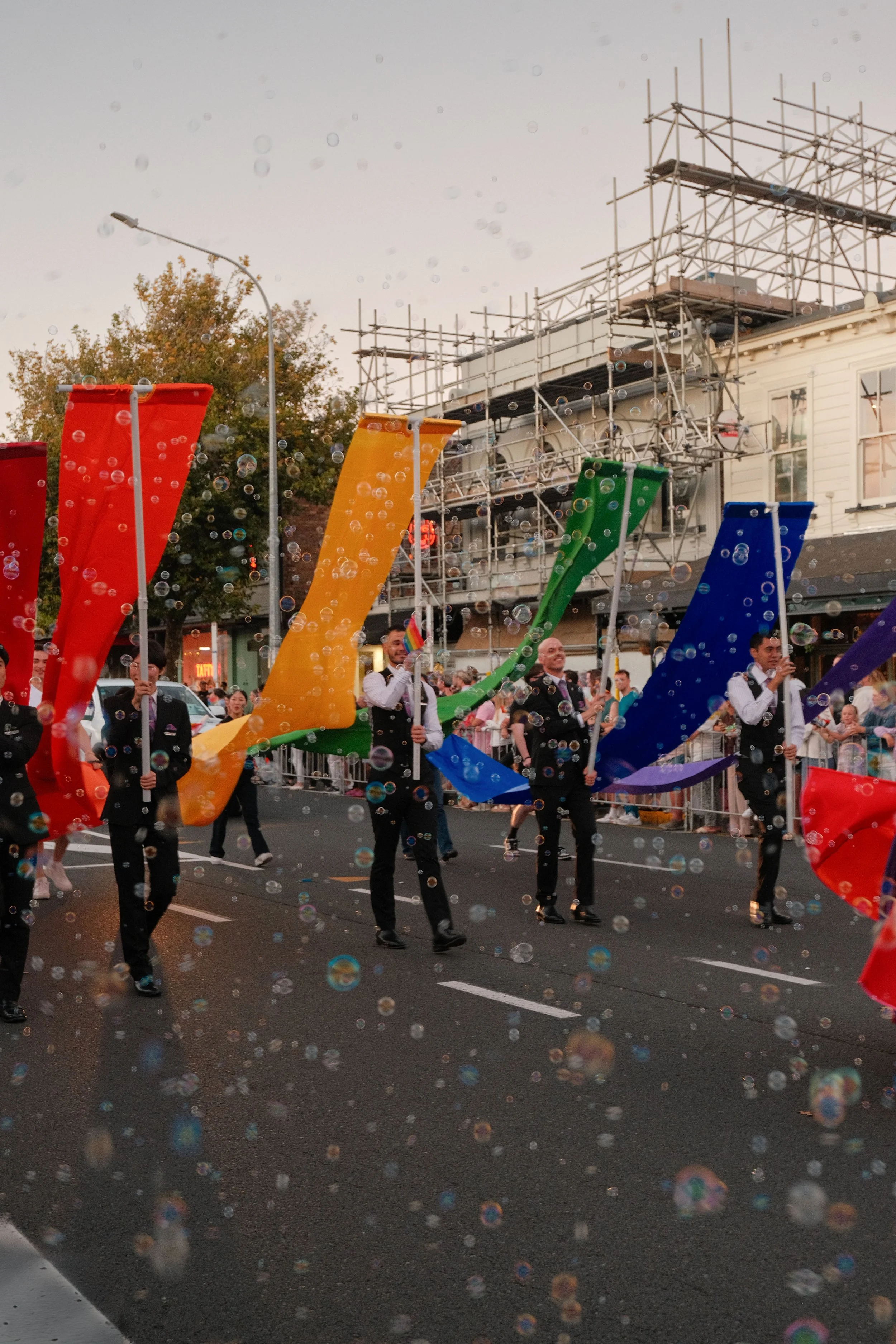
Just when you thought we were done with New Zealand, surprise - one last stop! We dropped off our rental car in Queenstown and flew north to Auckland. We’d actually flown into Auckland from Australia earlier in the month, but never really saw the city, so this time we spent three days exploring. We wandered the Auckland Art Gallery, browsed the boutiques and bars of the trendy Ponsonby neighborhood, and caught the annual Pride Parade, which showered the streets with a joyful burst of color and energy.
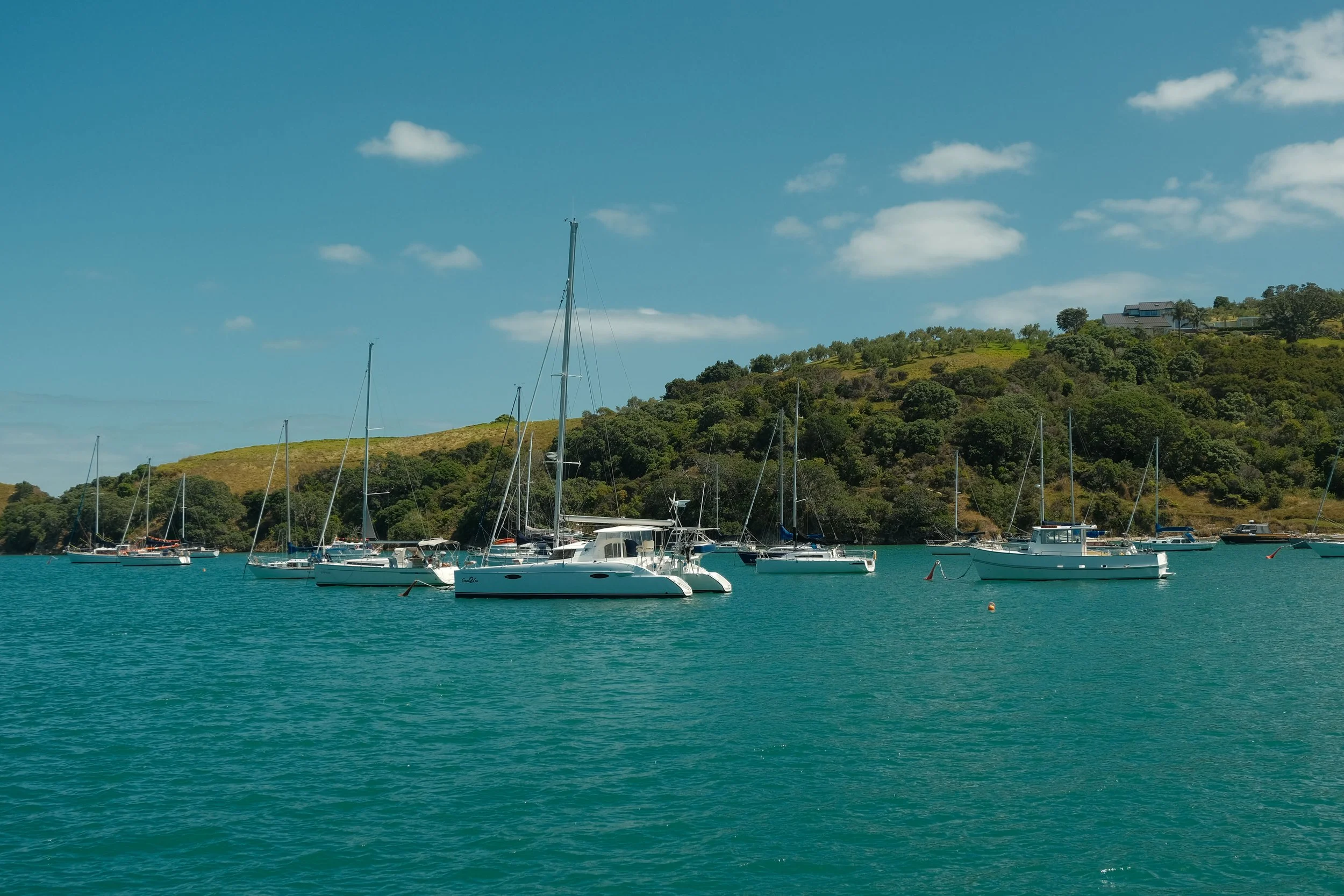
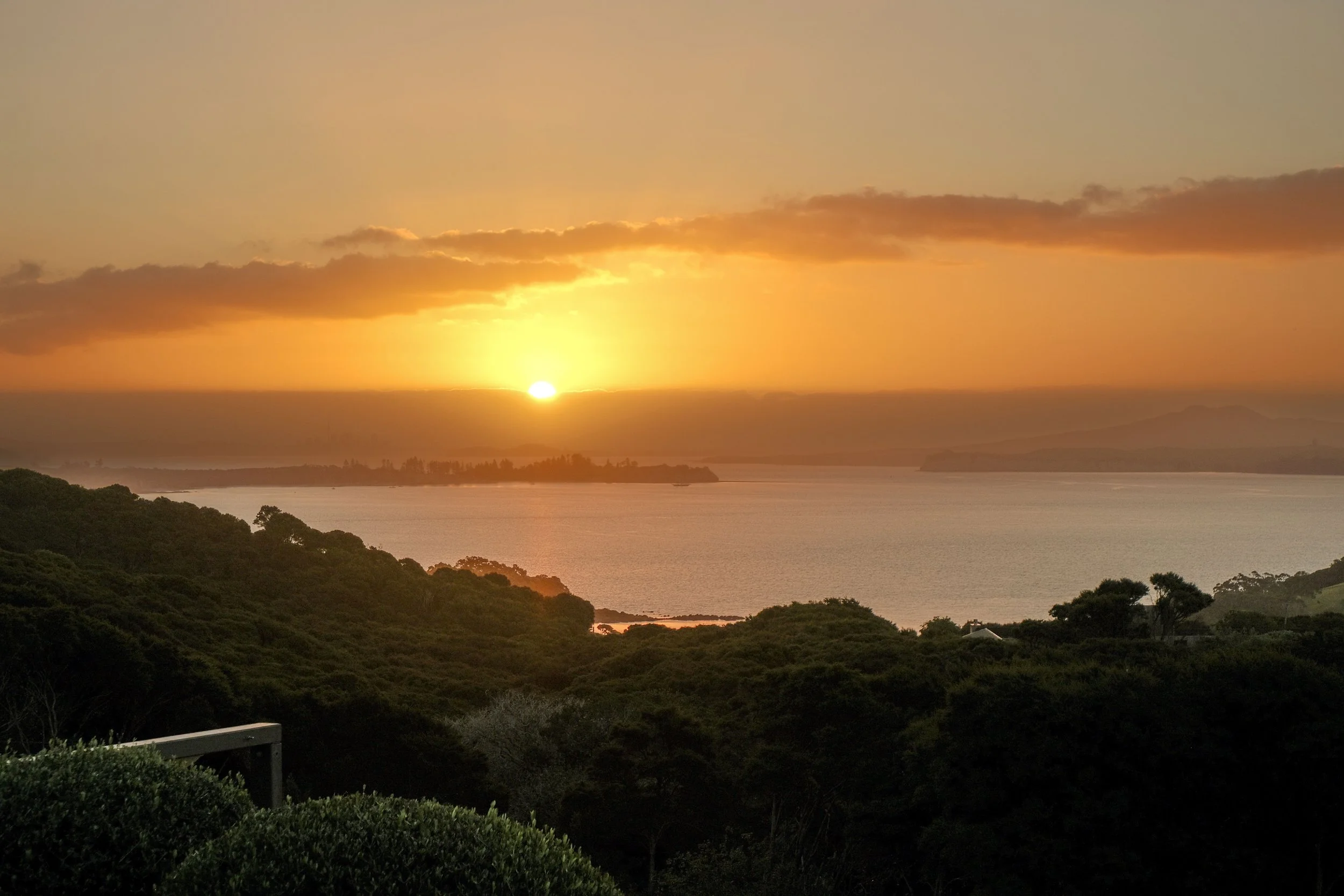
The highlight, though, was a day trip to Waiheke Island, just a 40-minute ferry ride from downtown Auckland. Known for its vineyards and white sand beaches, it’s the perfect mix of scenic beauty and laid-back charm. We started with a leisurely lunch at a café overlooking the water, then made our way to a winery where, to my delight, we spotted a photo of Taylor Swift visiting back in 2013 during her Red tour. After a relaxing nap on the beach, we wrapped up the day at another winery, perched on the rooftop with glasses of wine in hand, watching the sun sink behind the rolling hills and ocean.
And that’s finally a wrap on our month in New Zealand! Unsurprisingly (judging by the length of this post), this trip easily ranks in my top three countries we’ve visited so far. While I’m sad to say goodbye, I’m also excited for the next leg of our journey through Asia. Next stop: Singapore!
Talk soon,
Tanya
