
The Land of the Hobbits: New Zealand Part 1
Hello from New Zealand! We’re here for 29 days, the longest stretch in any one country on our year-and-a-half trip. I had been looking forward to this leg for months. Mountains and lakes are my favorite kind of scenery, and New Zealand seemed built around both. The country is made up of two main islands - the North Island and the South Island - separated by the Cook Strait. We started in the North, flying into Auckland and slowly making our way south by car.
Quick confession: I had never seen The Lord of the Rings until just recently. The closer we got to Middle Earth, the more glaring that gap in my film repertoire felt. So on our 19-hour flight from the US to Australia, Hanqing convinced me to watch all three movies back to back to back (standard editions only - the extended cuts are still on my list). Knowing the stories behind the films has made hiking, driving, and wandering around New Zealand feel even more magical.
Naturally, our first stop was Hobbiton, the movie set built for The Lord of the Rings and later expanded for The Hobbit. The drive from Auckland took about two hours, with highways giving way to narrower roads and eventually to rolling green hills dotted with sheep. As we approached, we queued up the soundtrack on Spotify and played “The Shire” on repeat. It felt obligatory.
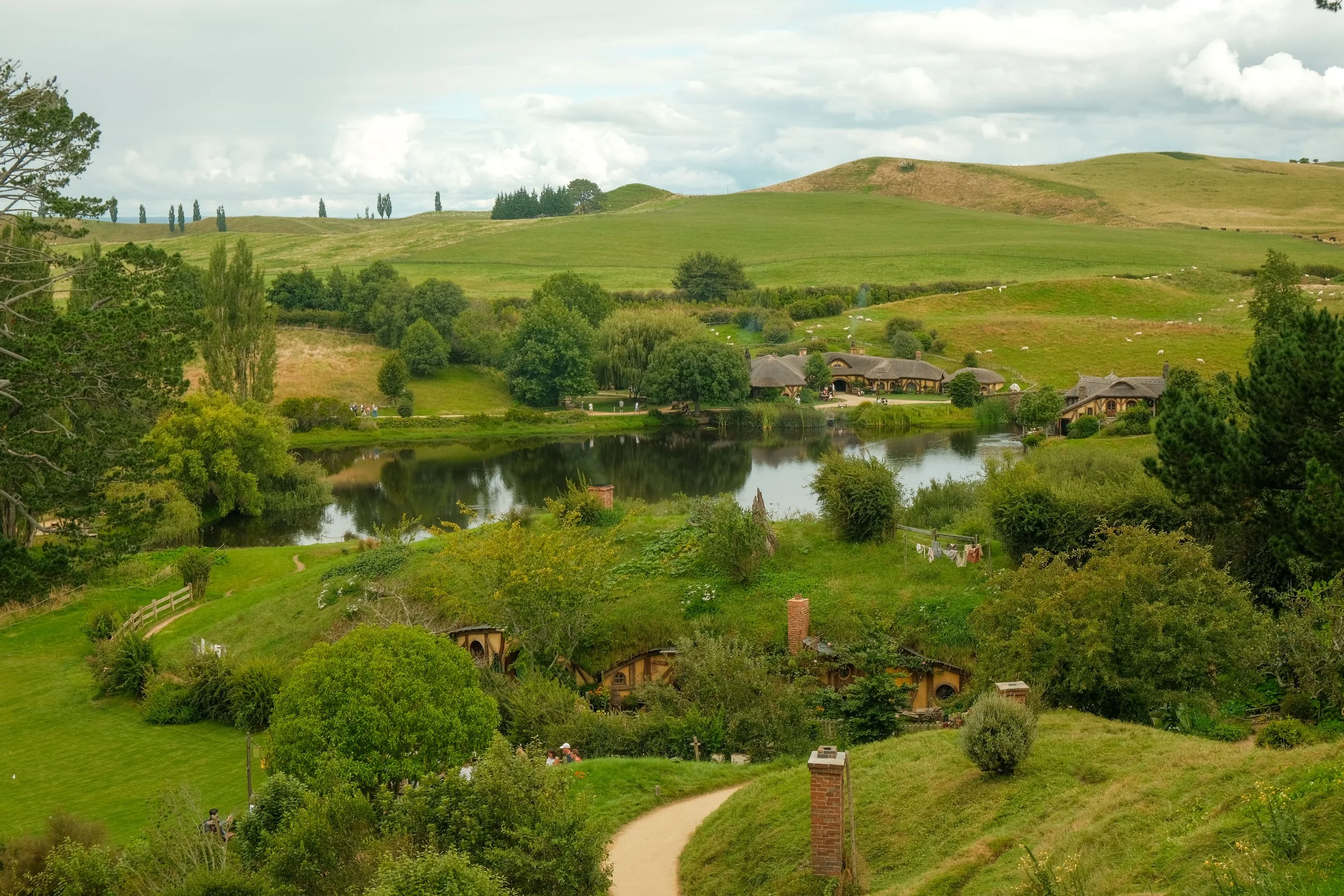
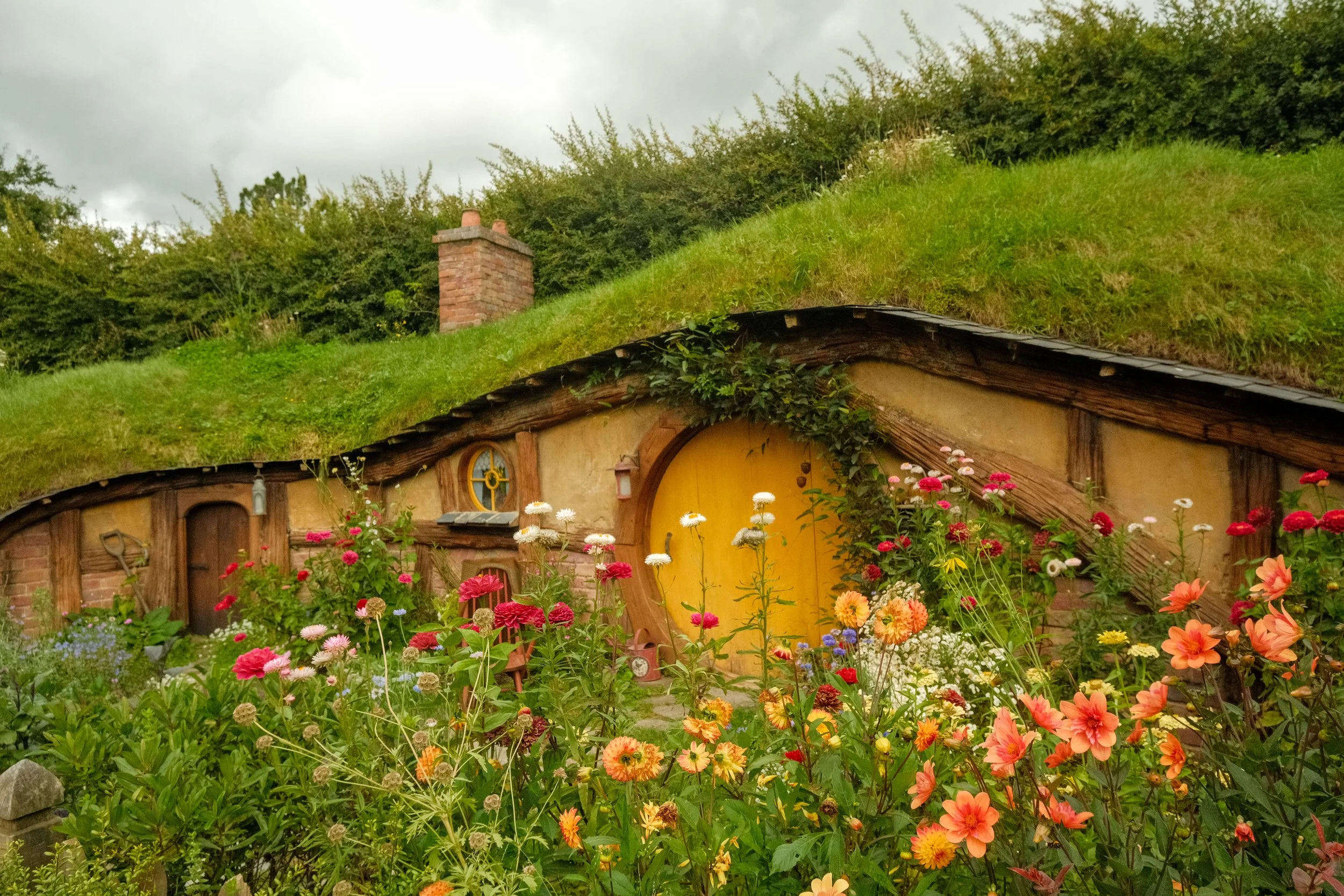
Once we arrived, it became clear that calling Hobbiton a “movie set” is slightly misleading. It feels like a real countryside village. Sheep graze nearby, laundry flutters in the breeze, and 44 hobbit holes nestle into the hillsides, each with its own personality, reflecting the hobbit family meant to live within. The set sits on a working sheep farm owned by the Alexander family, which adds to the sense of authenticity. Director Peter Jackson discovered the location in 1998 after an aerial search revealed the perfect combination of rolling hills, a lake, and a pine tree straight out of Tolkien’s description of the Shire. The New Zealand Army helped construct the original temporary hobbit holes, which were later rebuilt as permanent structures for The Hobbit films due to the franchise’s enduring popularity.
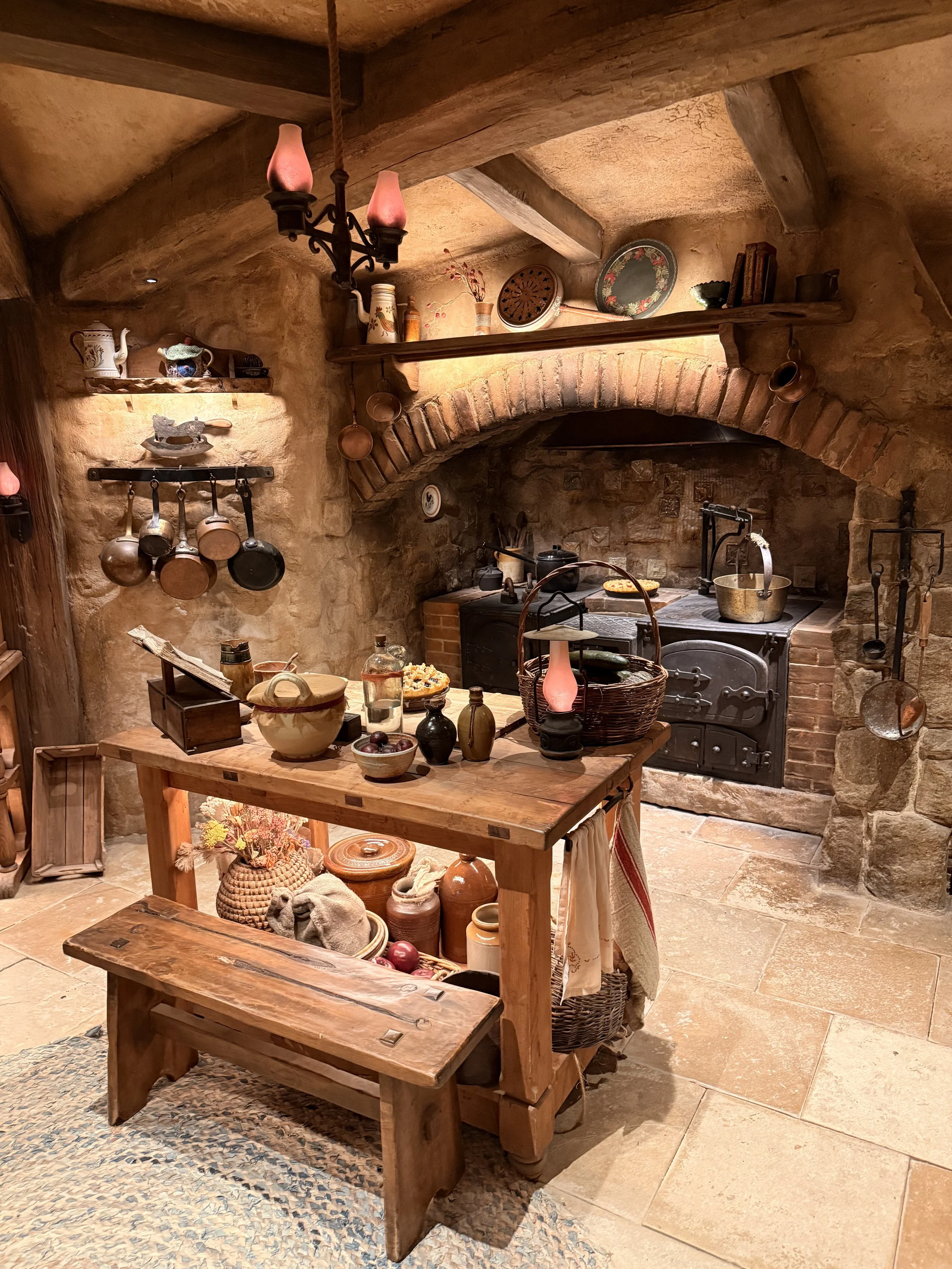
We wandered through gardens filled with real vegetables, crossed stony bridges, and stopped at the Shire’s most famous residence, Bag End, complete with Bilbo’s iconic “No Admittance Except On Party Business” sign. The highlight was stepping inside a hobbit hole next door to Samwise Gamgee’s house. Everything is built at about 80% scale, which required a fair amount of ducking. Inside was a cozy living room, two bedrooms, a bathroom, a kitchen, and a pantry stocked with props that looked convincingly edible. We ended at the Green Dragon Inn, sipping beer from heavy mugs and taking in our final views of the Shire.

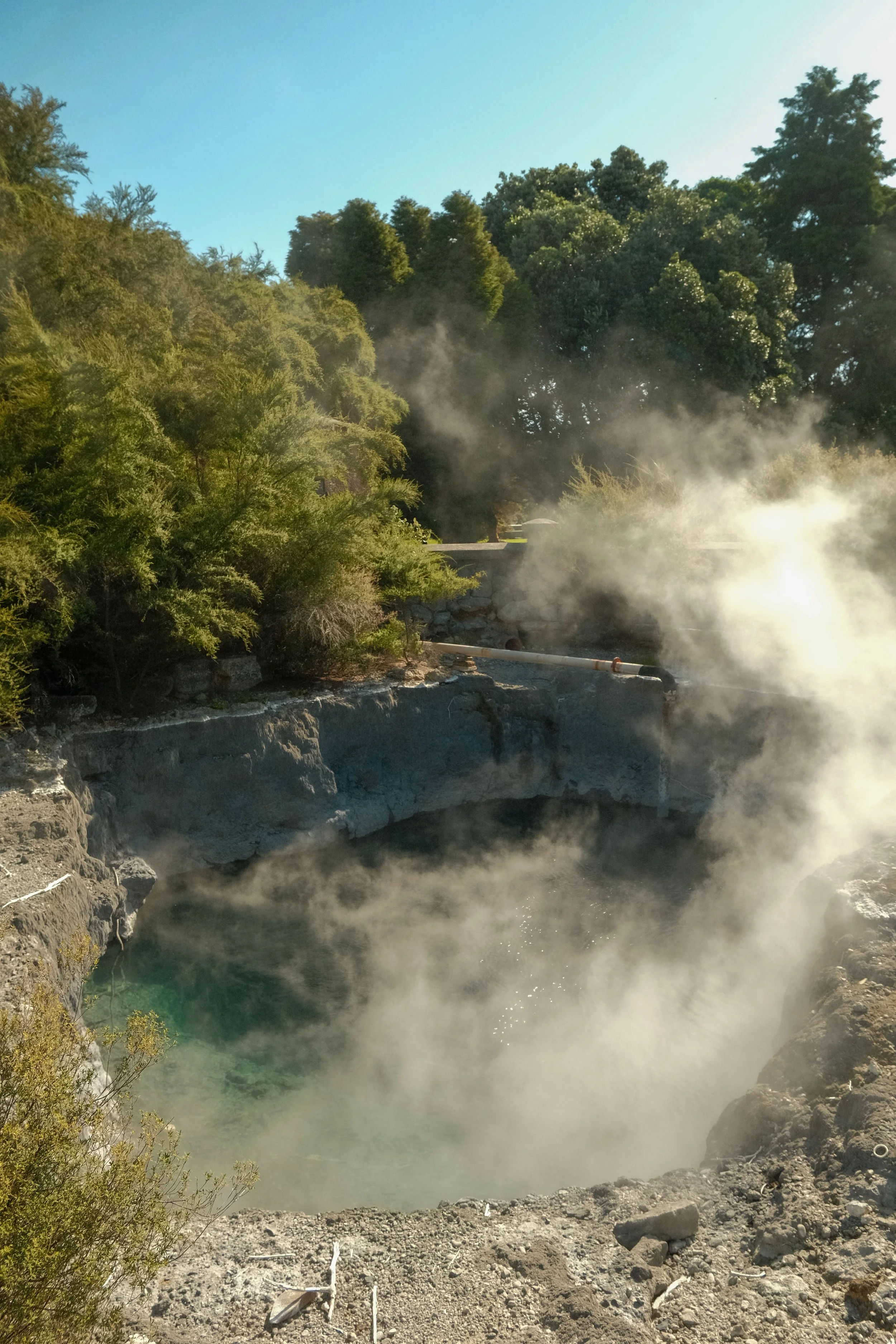
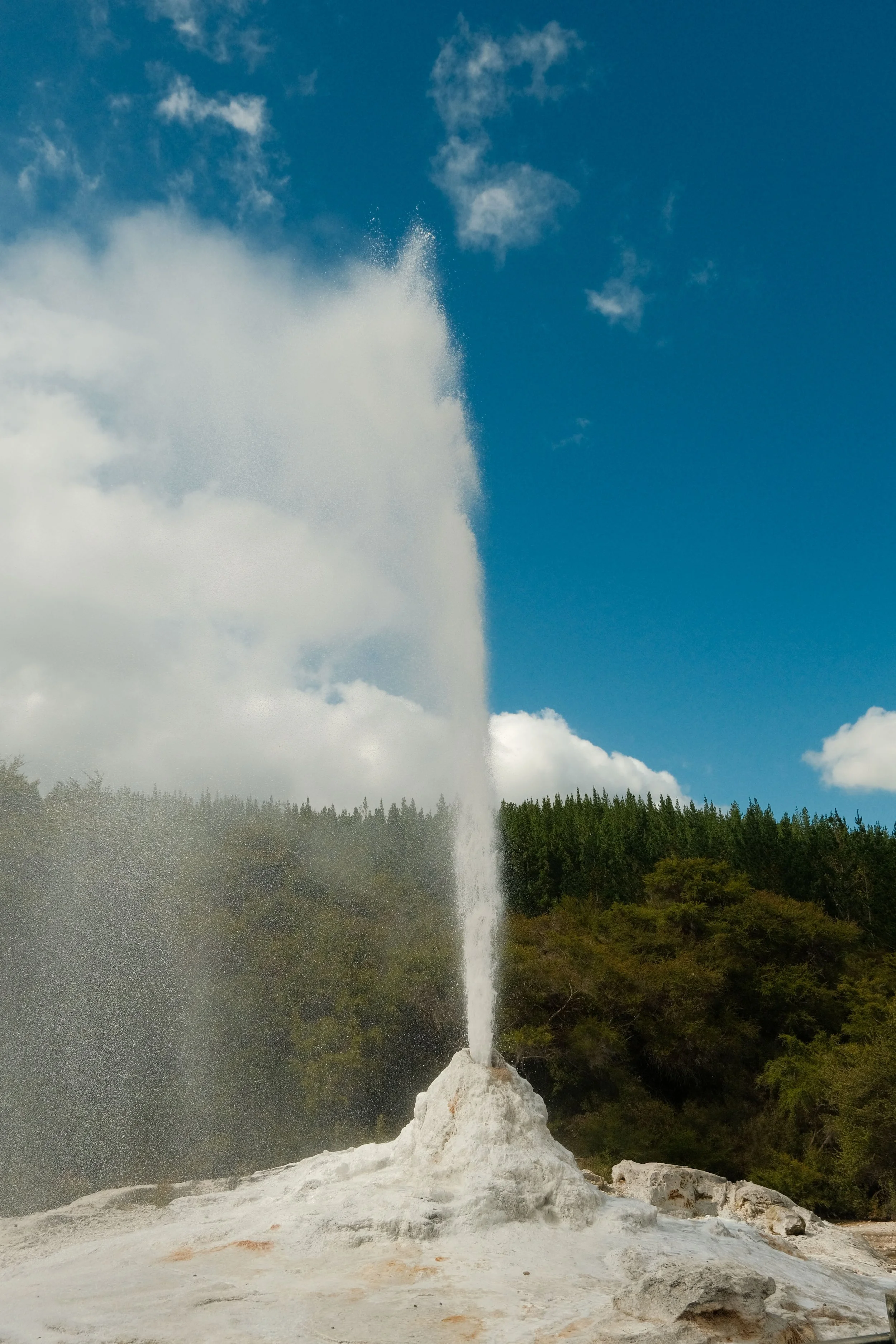
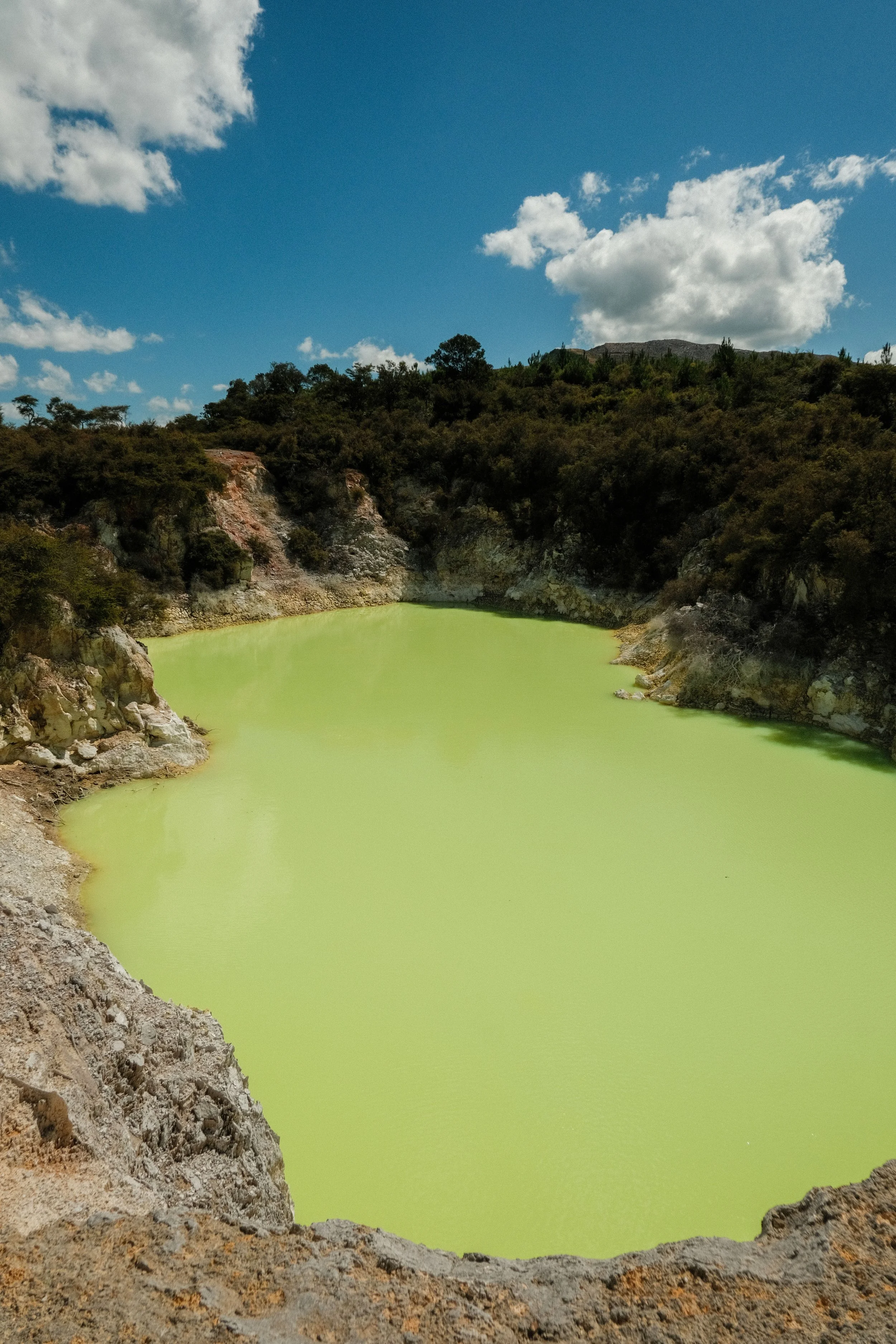
From Hobbiton, we continued to Rotorua. Sitting inside a 240,000-year-old collapsed volcano in the Taupō Volcanic Zone, the city is a geothermal hotspot. You smell it before you see it - sulfur wafts through the streets, an unmistakable reminder of what’s happening underground. At Wai-O-Tapu, we watched the Lady Knox Geyser erupt (prompted by a ranger who pours soap into the vent), then walked past steaming vents and bubbling mud pools. Some of the ponds were such an intense shade of neon green and orange that they looked artificially colored. None of it invited swimming.
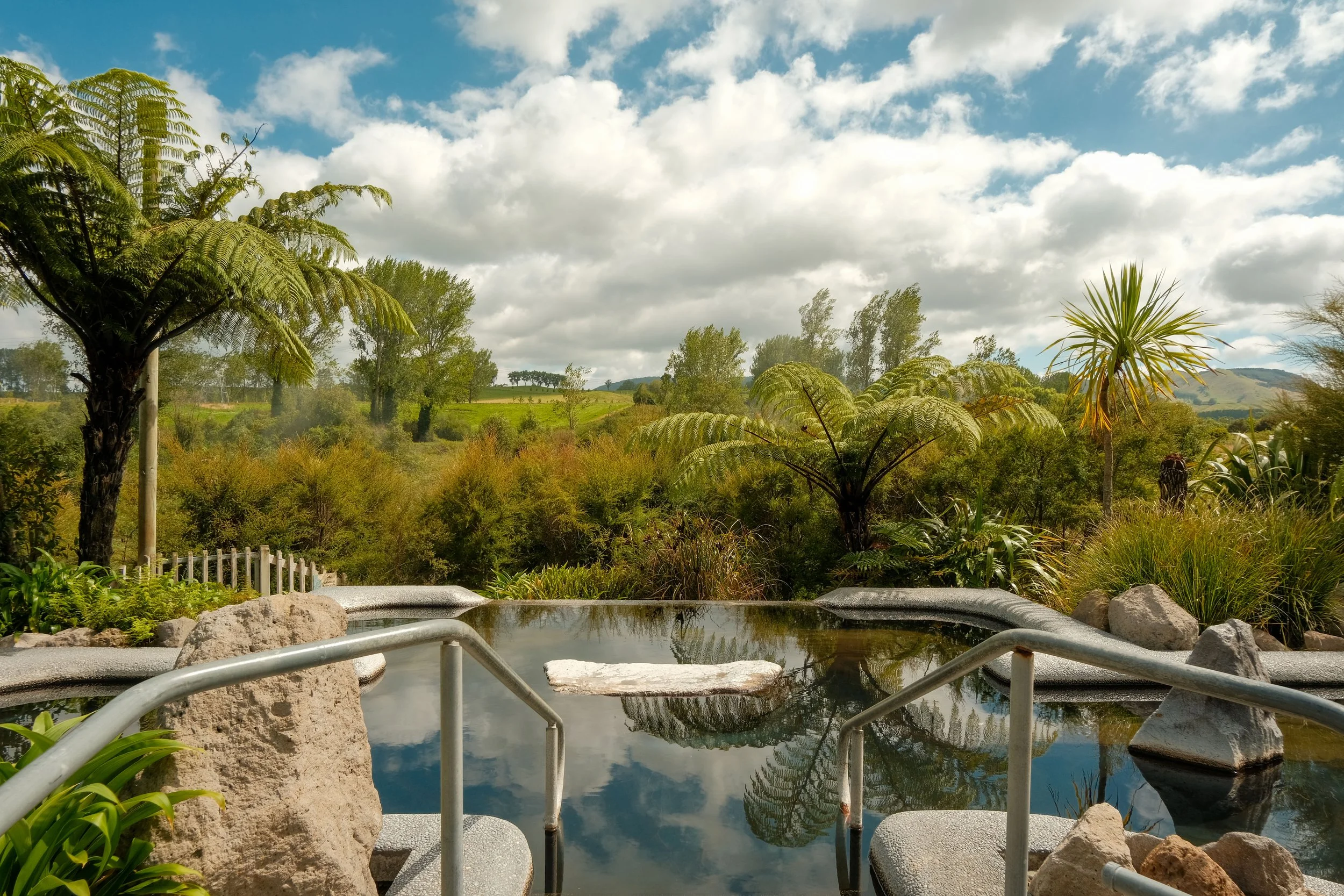
Later, we found water that did. At the Waikite Valley Hot Pools, we soaked in natural hot springs filled with clear geothermal water. Surrounded by trees and drifting steam, I closed my eyes, leaned my head back, and dozed off for a few peaceful moments.
Rotorua is also a center of Māori culture. The Māori were the first people to settle in New Zealand, arriving from Polynesia about a thousand years ago. British colonization followed centuries later, formalized in 1840 with the Treaty of Waitangi, which resulted in widespread land loss and marginalization for many Māori. The effects are still felt today, with disparities in health, income, and opportunity. There have been efforts toward reconciliation and recognition over the past few decades, though it’s still an ongoing process.
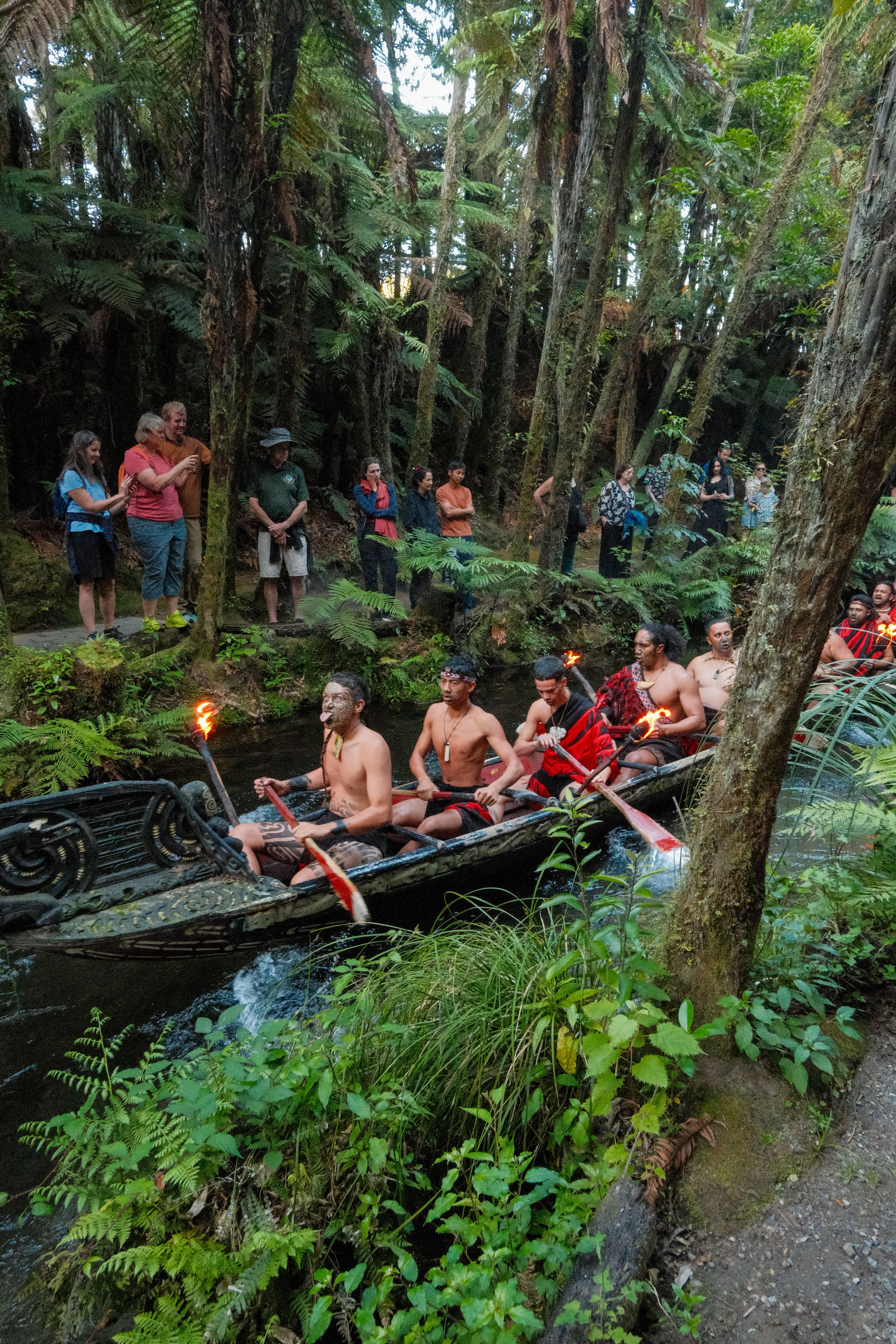
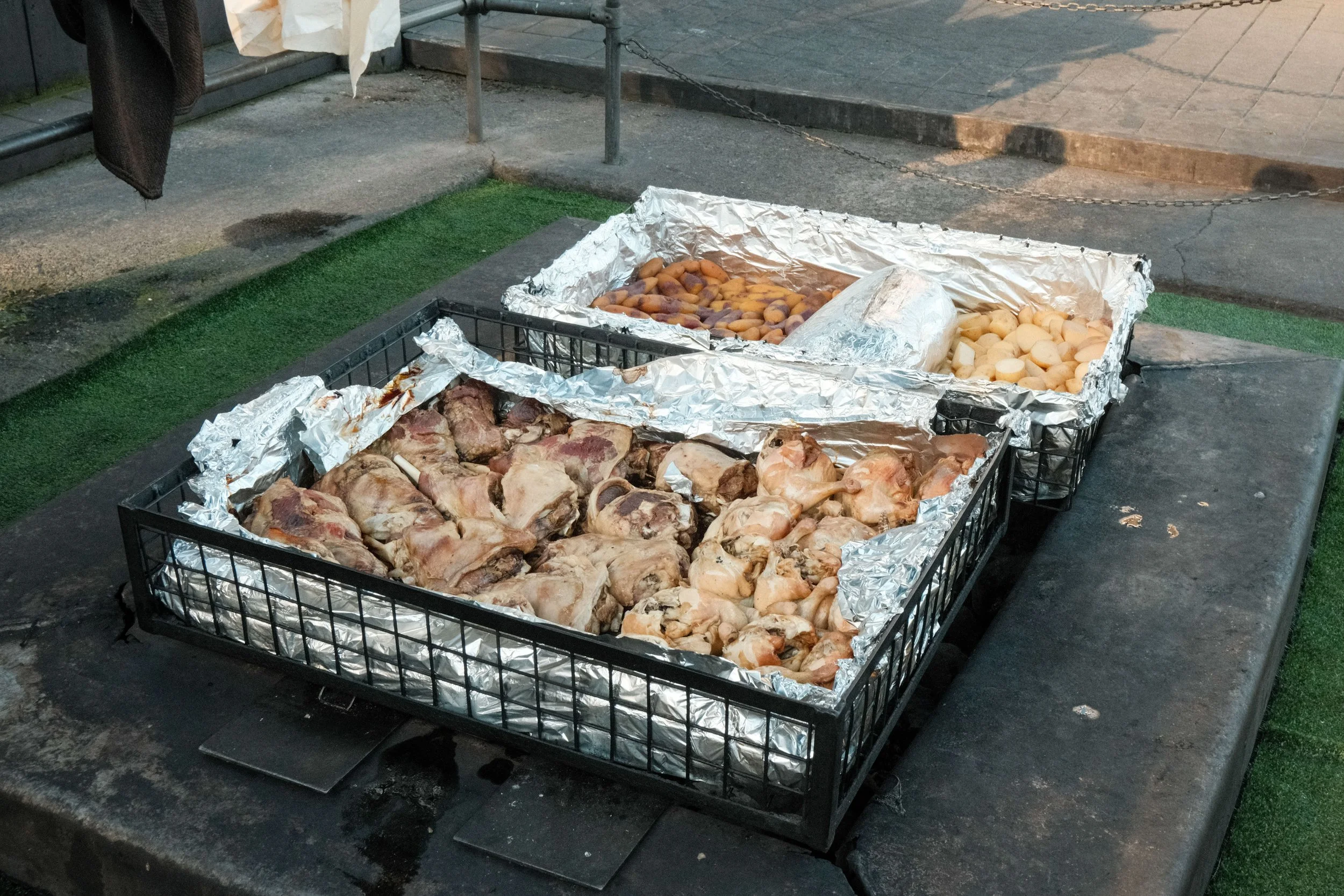
To learn more about Māori culture, we visited a traditional village where we watched a cultural performance, saw warriors paddle a waka (war canoe) down a stream, and shared a hāngi meal cooked in underground earth ovens. We ended up seated across from a Dutch couple and, over dinner, discovered we had overlapped not only in New Zealand but also in Patagonia months earlier. It felt fitting. A hāngi is about more than food - it’s about gathering and connection.
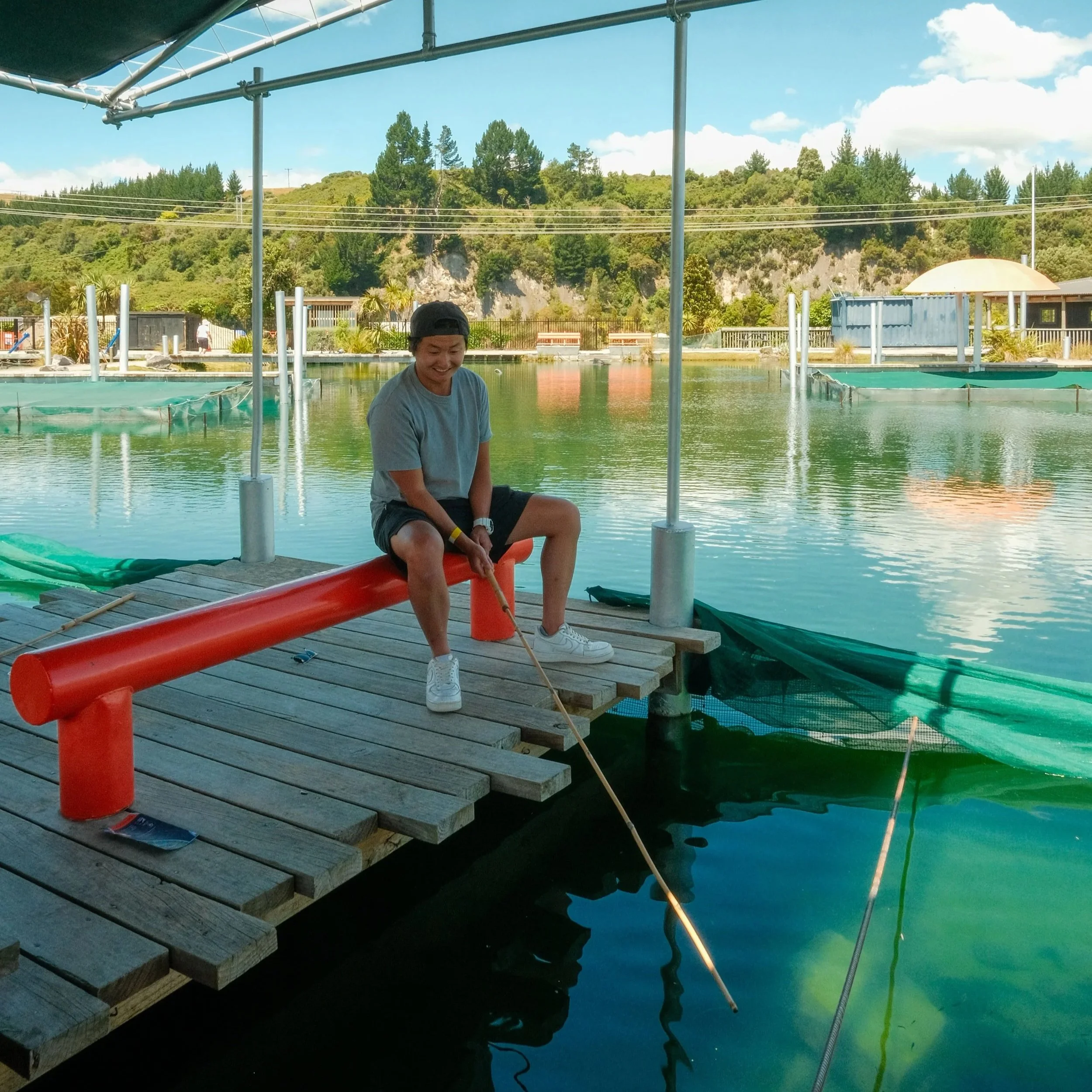
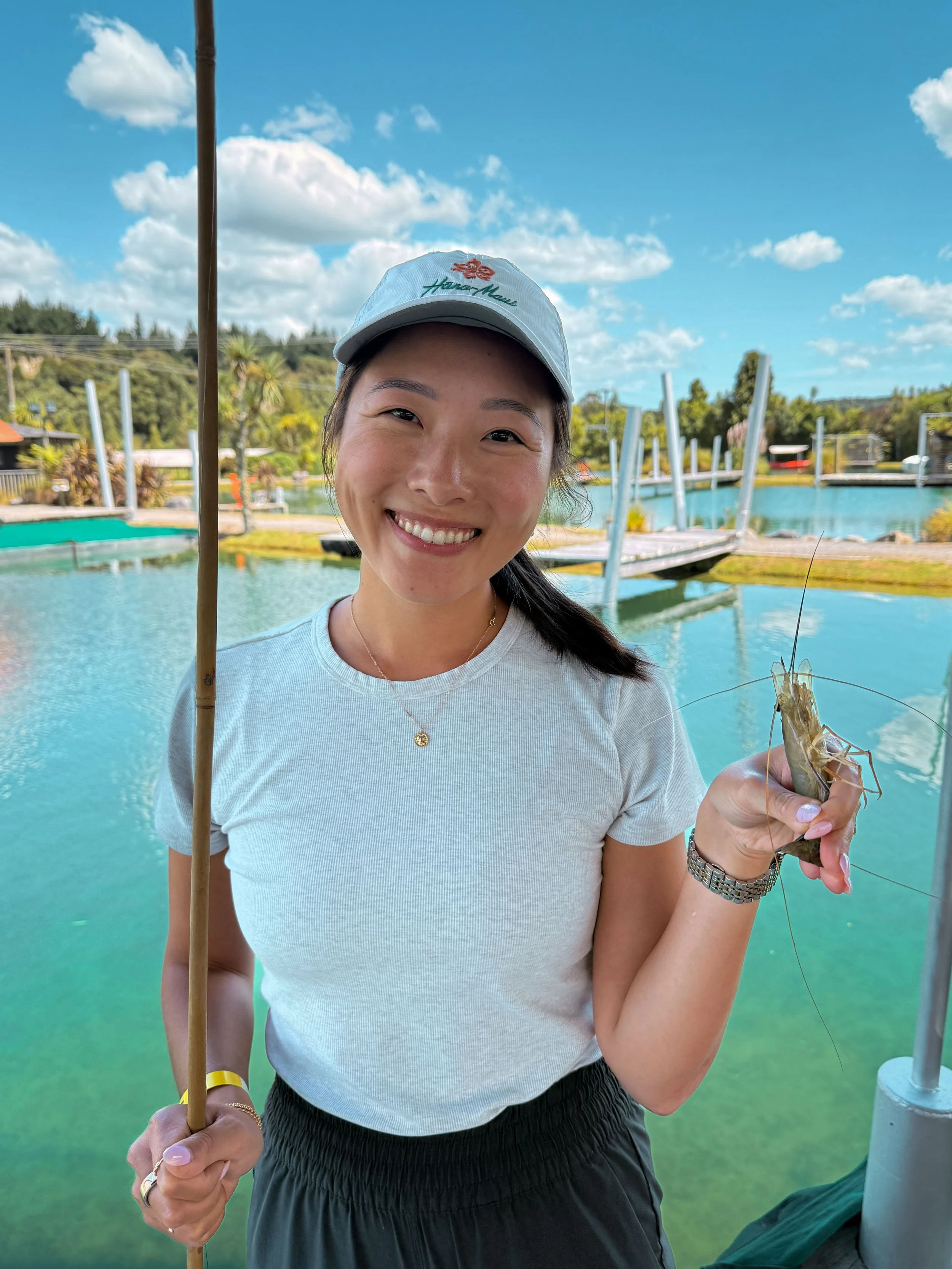
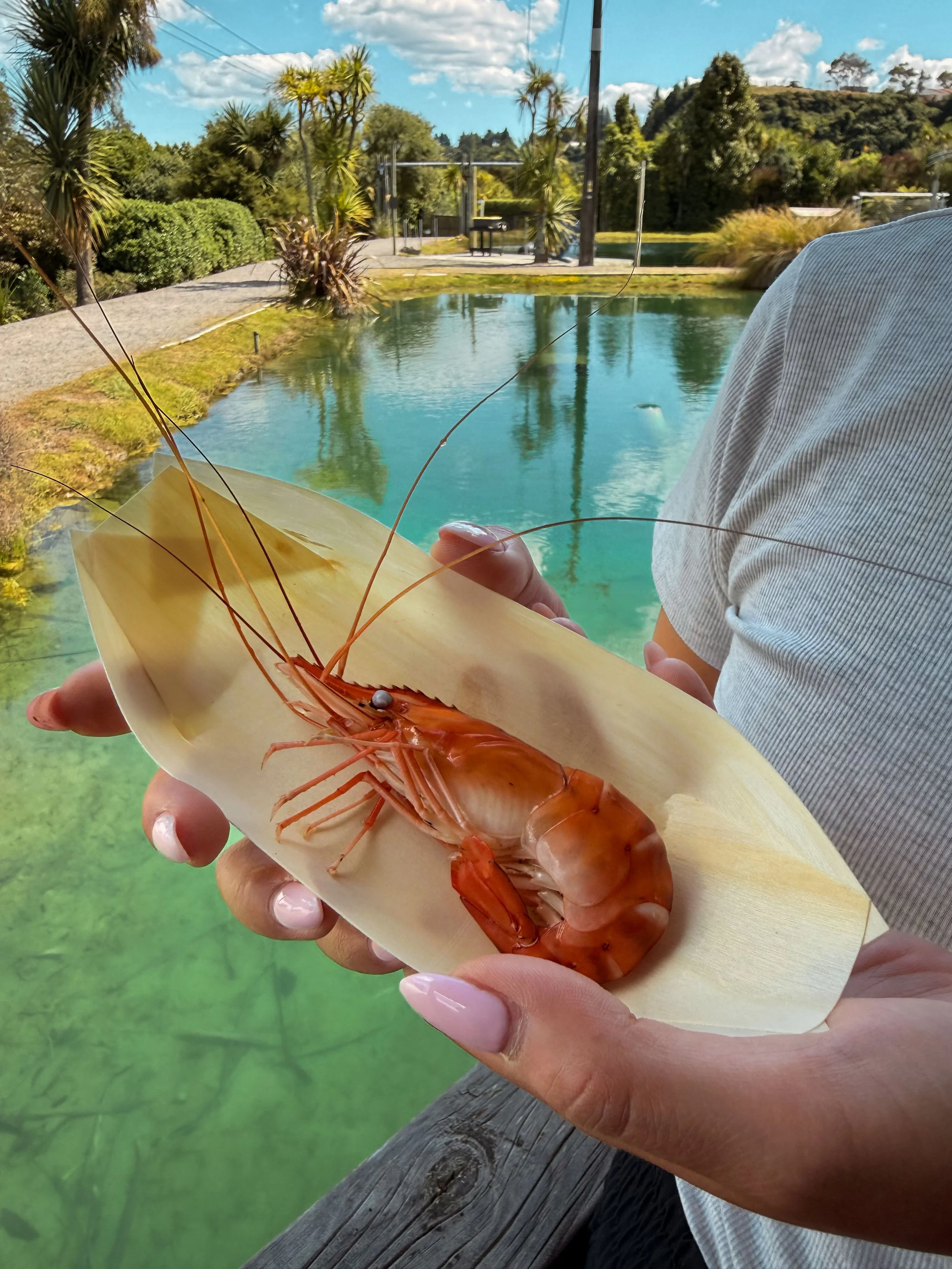
Continuing south, we stopped at Huka Prawn Park, which is exactly what it sounds like: a shrimp-themed park. We toured the hatchery, ate freshwater prawns, and then attempted to catch our own. Prawn fishing, it turns out, requires a significant amount of patience. Small fish repeatedly stole our bait, and the prawns seemed adept at nibbling around the hook. After nearly an hour, I felt a tug, then a stronger pull. I yanked the line out and found a single large prawn wriggling at the end. I quickly realized I had not thought through how to remove it. Thankfully, Hanqing rushed over and handled that part. We ended the afternoon with one prawn between us, which we steamed and ate. It was a disproportionate amount of effort for a small portion of food, but satisfying nonetheless.
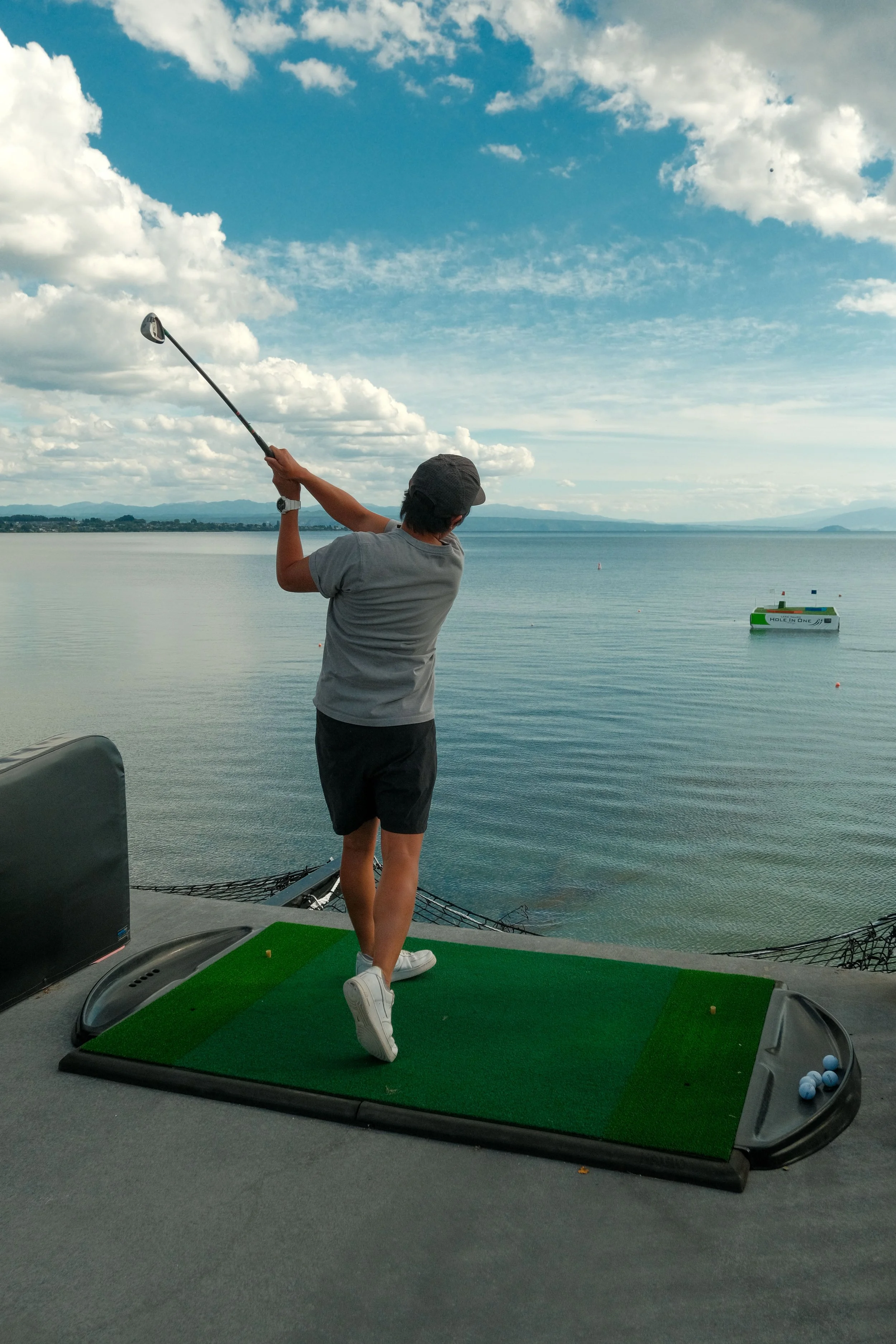
Our last stop that day was Lake Taupō, New Zealand’s largest lake. The town of Taupō sits along its northern edge, with laid-back bars and cafés and manicured lakefront paths. Right on the shoreline is the Hole in One Challenge: if you land a golf ball into a hole on a small floating green about 100 meters away, you win $10,000 NZD (roughly $6,000 USD). We bought a basket of 30 balls and Hanqing gave it a try. He hadn’t picked up a golf club in more than six months, but a few shots made it onto the platform, drawing cheers from a couple of curious spectators passing by. We didn’t win the prize money, but it was a lovely, entertaining way to spend an hour by the water.
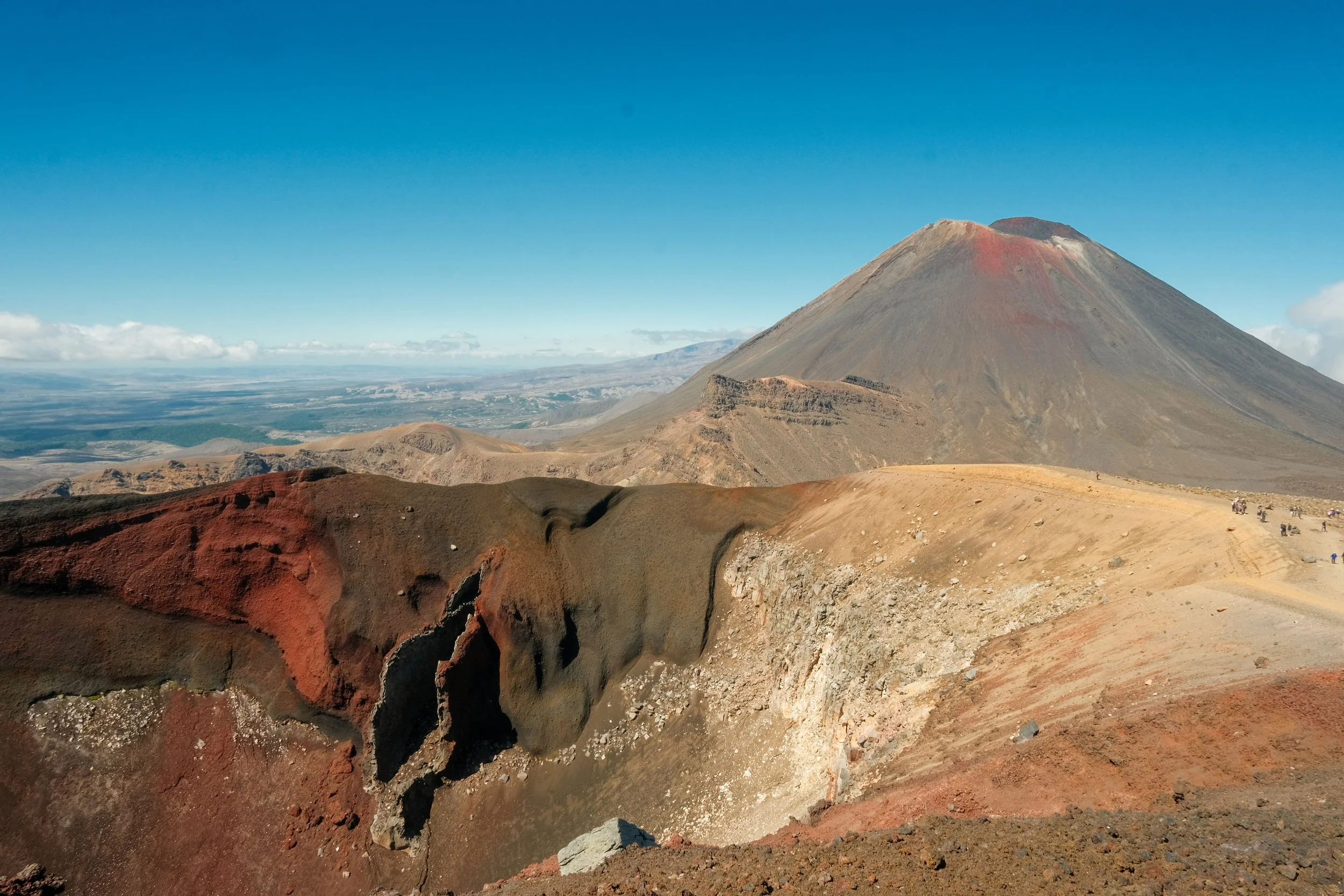
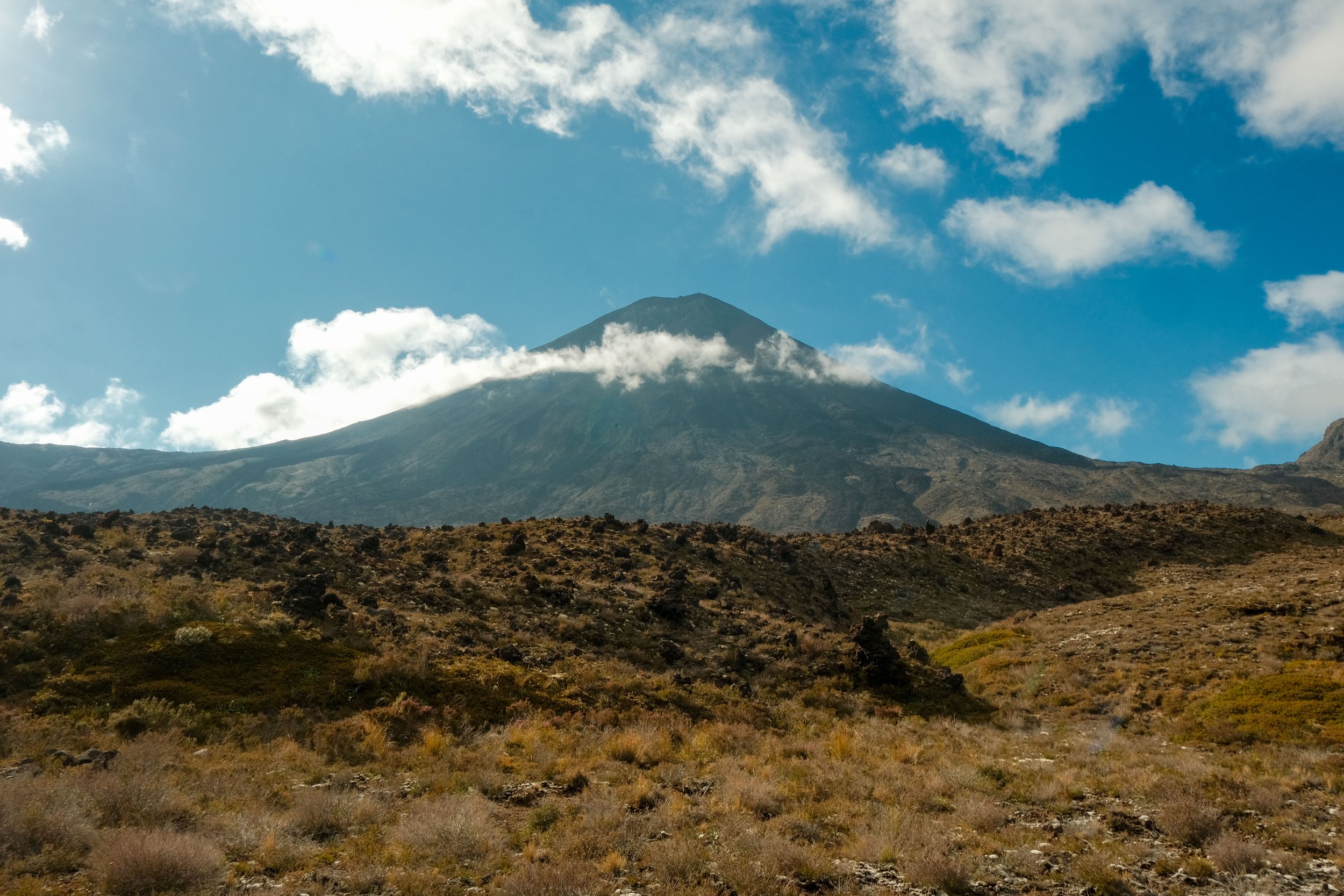
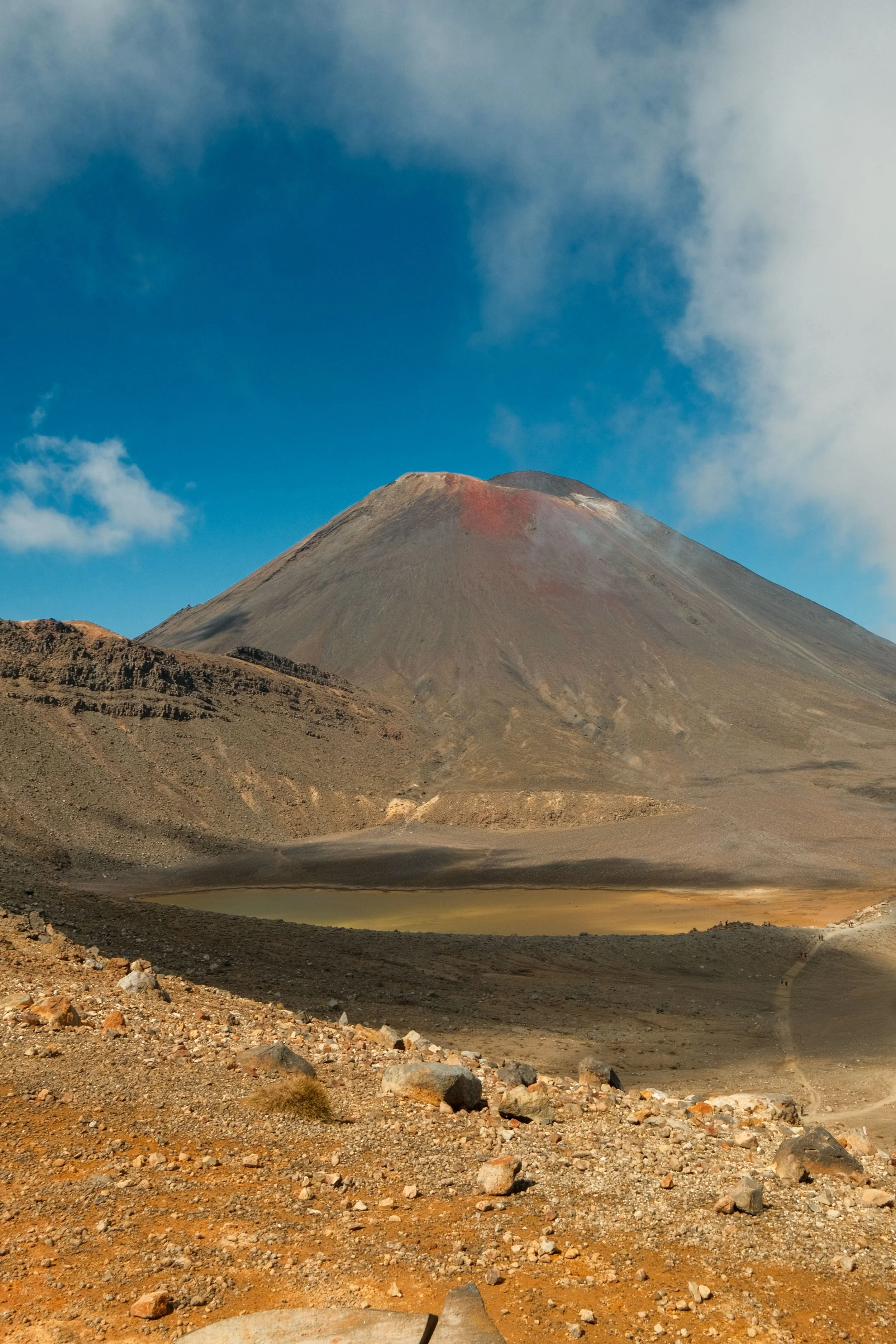
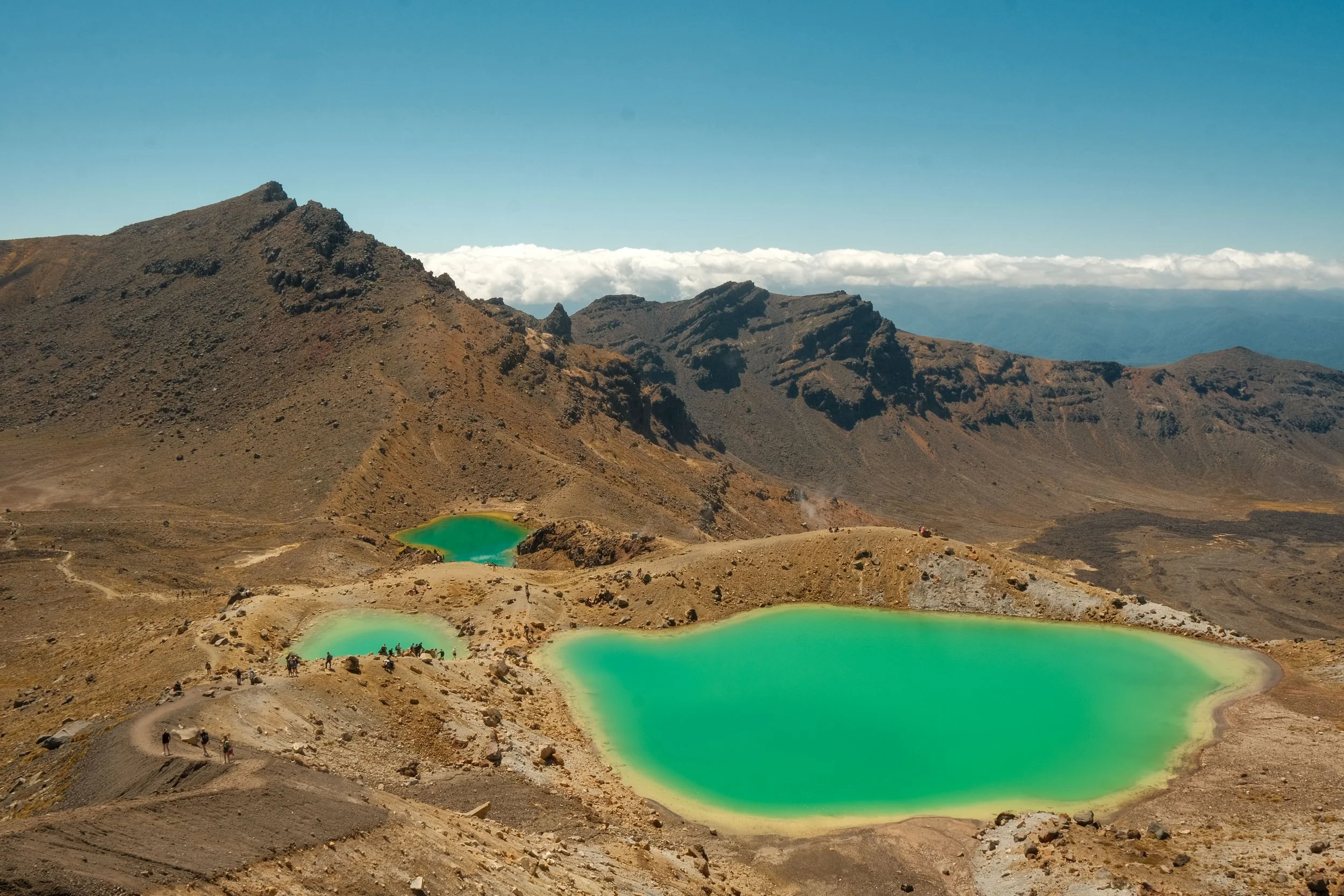
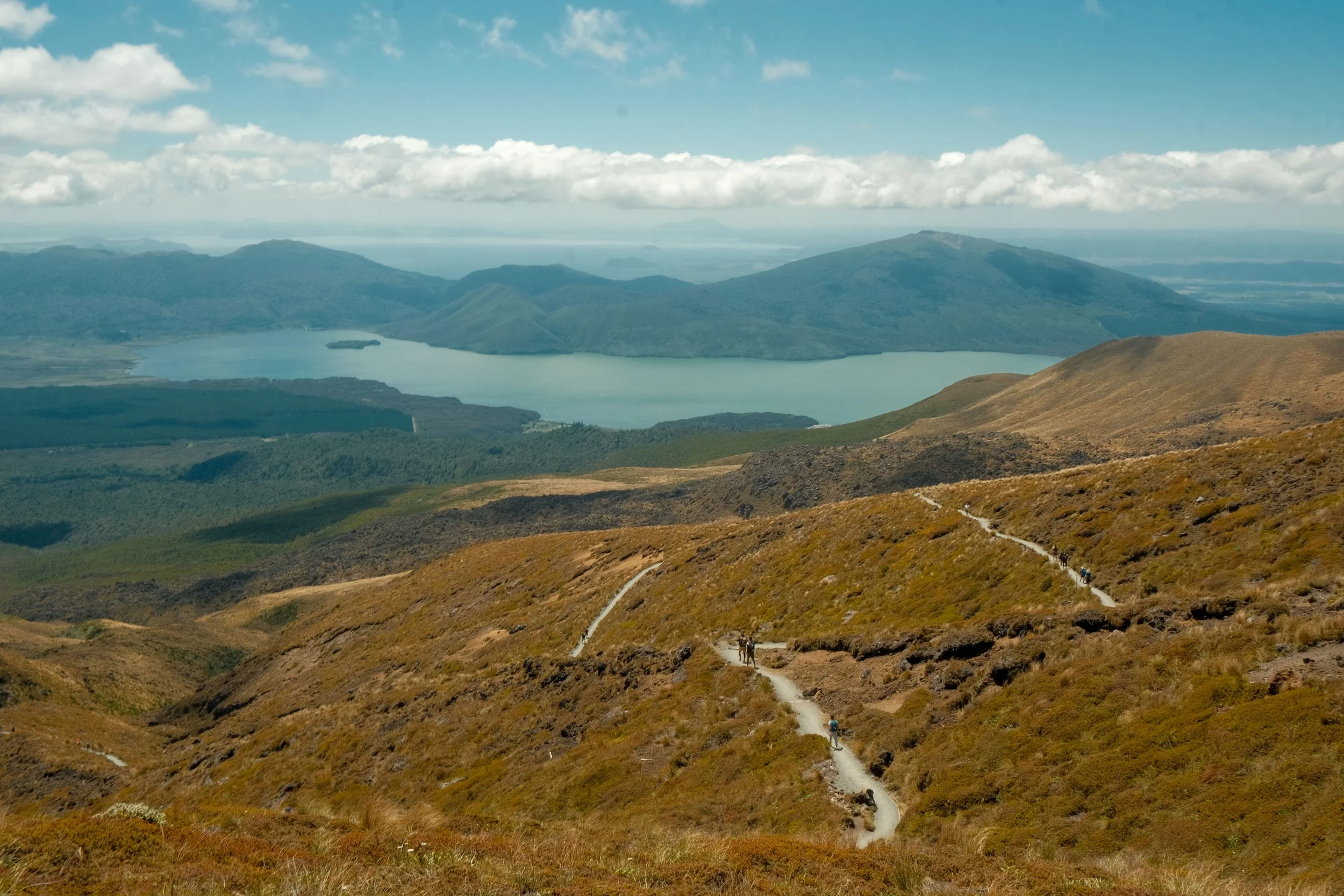
The next day, we tackled the Tongariro Alpine Crossing, a 12-mile one-way hike across a volcanic landscape. We parked at the end and took a shuttle to the start. Mount Ngauruhoe, better known to Lord of the Rings fans as Mount Doom, rises dramatically along the route. In person, it requires a bit of imagination to compensate for the CGI used in the movies, but it’s striking all the same. What surprised me most was how often the landscape shifted: rocky ridges gave way to wide volcanic plains, then to bright emerald lakes, and finally to forest. By the end, my legs were tired, but I never grew bored of the scenery.
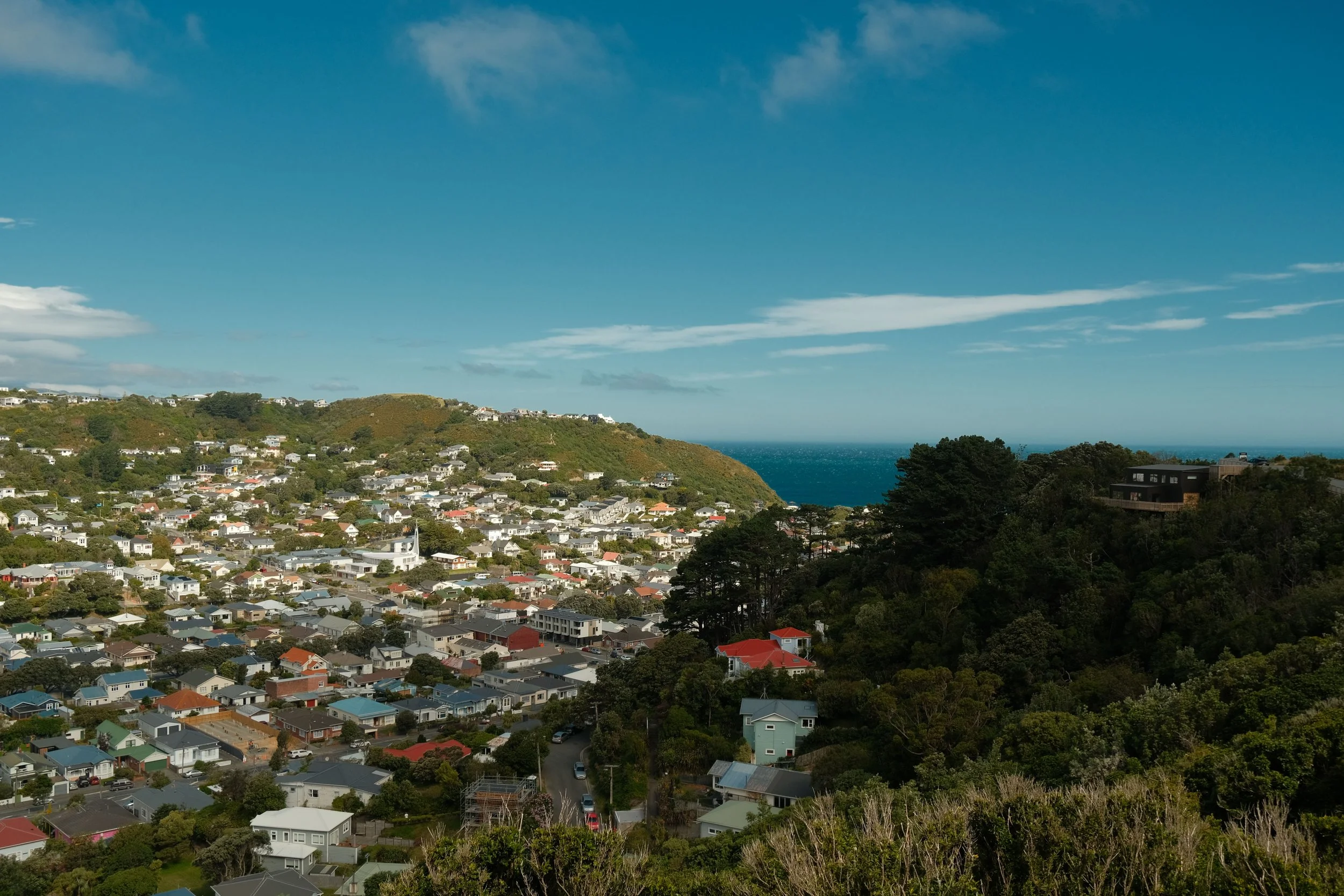
Our final North Island stop was Wellington, at the southern tip. It’s known as one of the windiest cities in the world, thanks to its position between the Cook Strait and surrounding hills, and we felt it. Wind aside, it’s a beautiful city, with a quaint harbor, sparkling water, and steep green hills rising behind it.
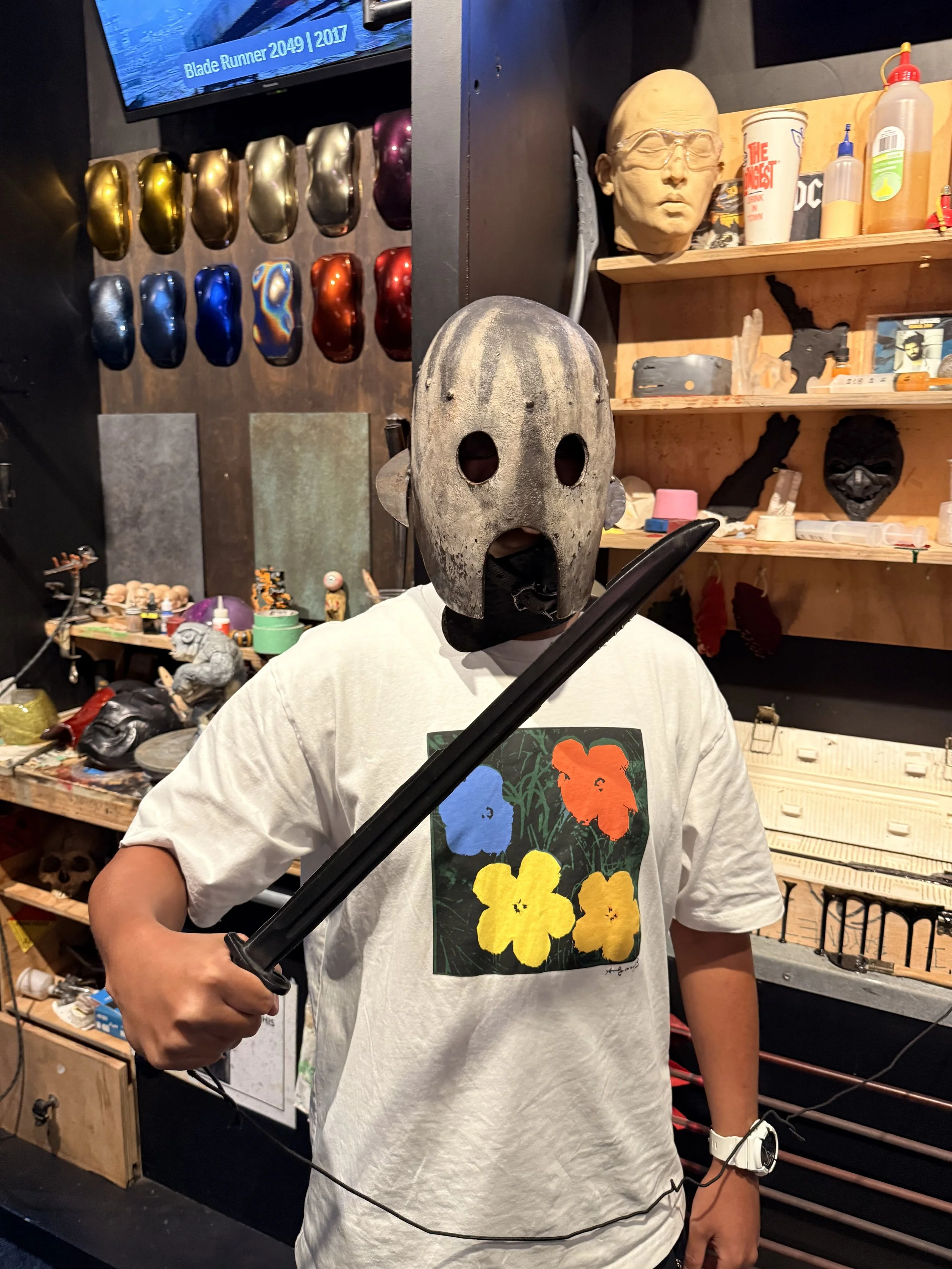
The highlight was visiting Wētā Workshop, the special effects company behind The Lord of the Rings and many other films. On the studio tour, we saw original props and costumes and learned how the team builds everything from superhero armor to prosthetic makeup. At one point, our guide passed around three different types of chainmail armor created for LOTR battle scenes: real 3D printed metal for close-up shots, lightweight PVC versions for supporting actors, and crocheted netting versions for background extras. The craftsmanship and creative problem-solving were unbelievably impressive.
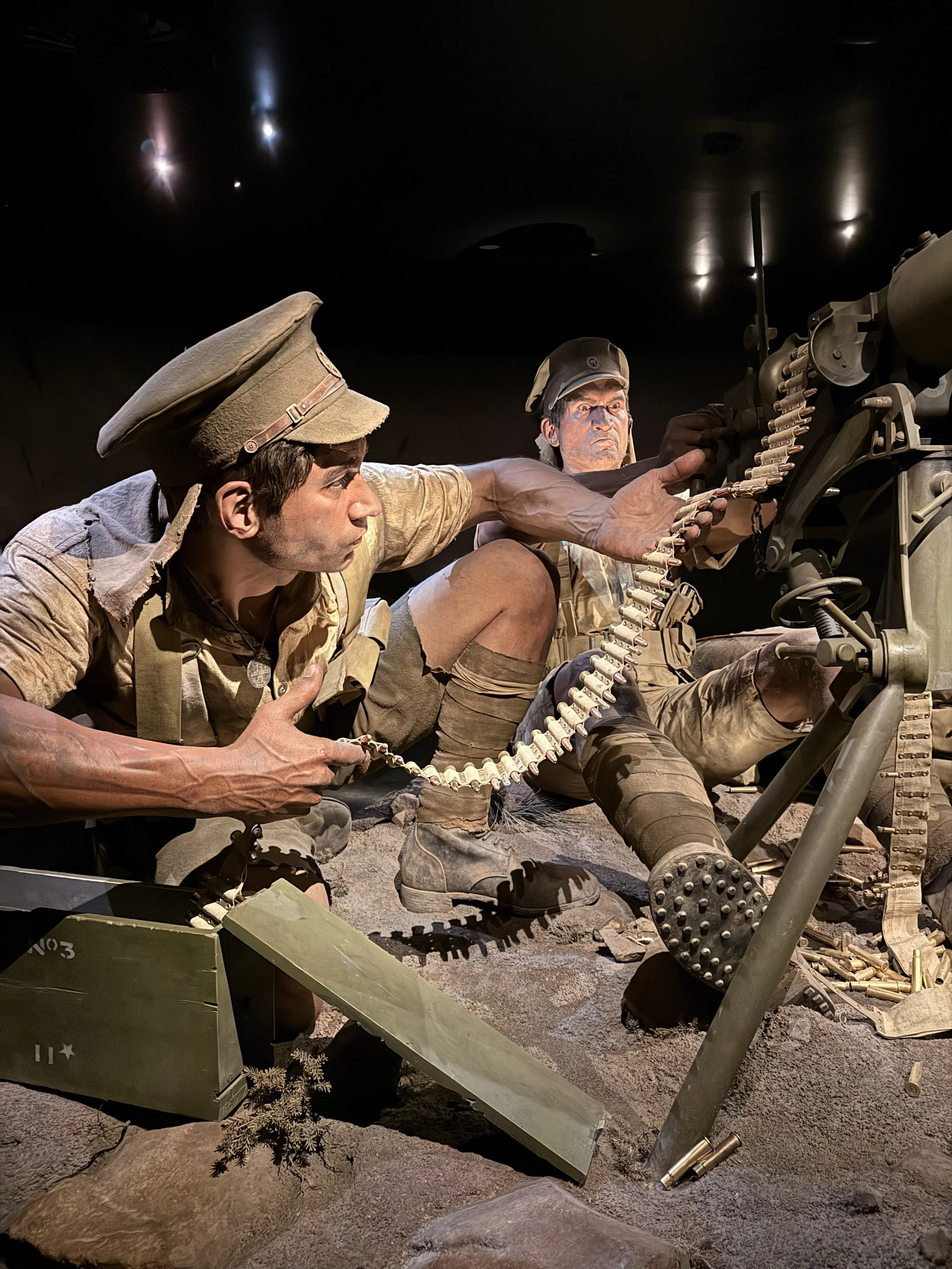
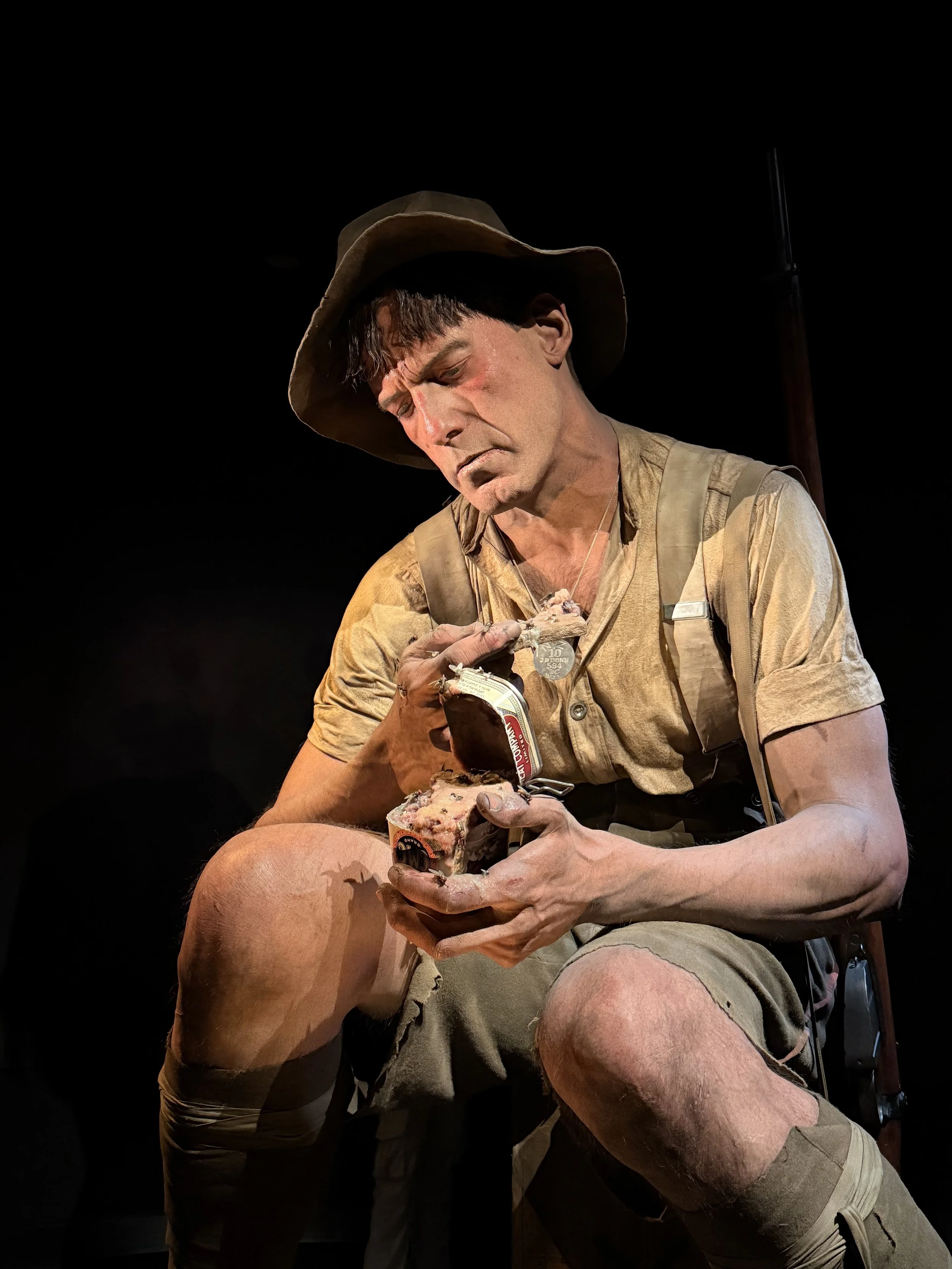
The next day, we visited Te Papa, New Zealand’s national museum. The Gallipoli exhibit was especially powerful. It focuses on New Zealand’s role in the 1915 Gallipoli campaign during World War I, a failed military effort that nonetheless became central to New Zealand’s national identity. Through personal stories of soldiers and nurses, the exhibit brings the history to life, anchored by five massive hyper-realistic figures created by Wētā Workshop. The level of detail was astonishing, down to the hair on the soldiers’ arms and the sweat on their brows. In one scene, a soldier eats from a can of beef, complete with the correct species of flies hovering nearby. The scale and realism made the stories feel deeply human and moving.
That wraps up our time on the North Island! From Wellington, we boarded a ferry across the Cook Strait. Next stop: the South Island!
Talk soon,
Tanya
