
Peak Experiences in Peru
Greetings from Peru! Hard to believe we’ve made it to our fifth continent in just three months. It’s also my first time in South America and in the southern hemisphere. The weather is shifting toward summer here, yet Christmas music is playing everywhere and town squares are already decked out with festive trees, which makes it all feel a little surreal. We’ll be wrapping up the year in South America before heading home for the last two weeks of December to spend the holidays with family.
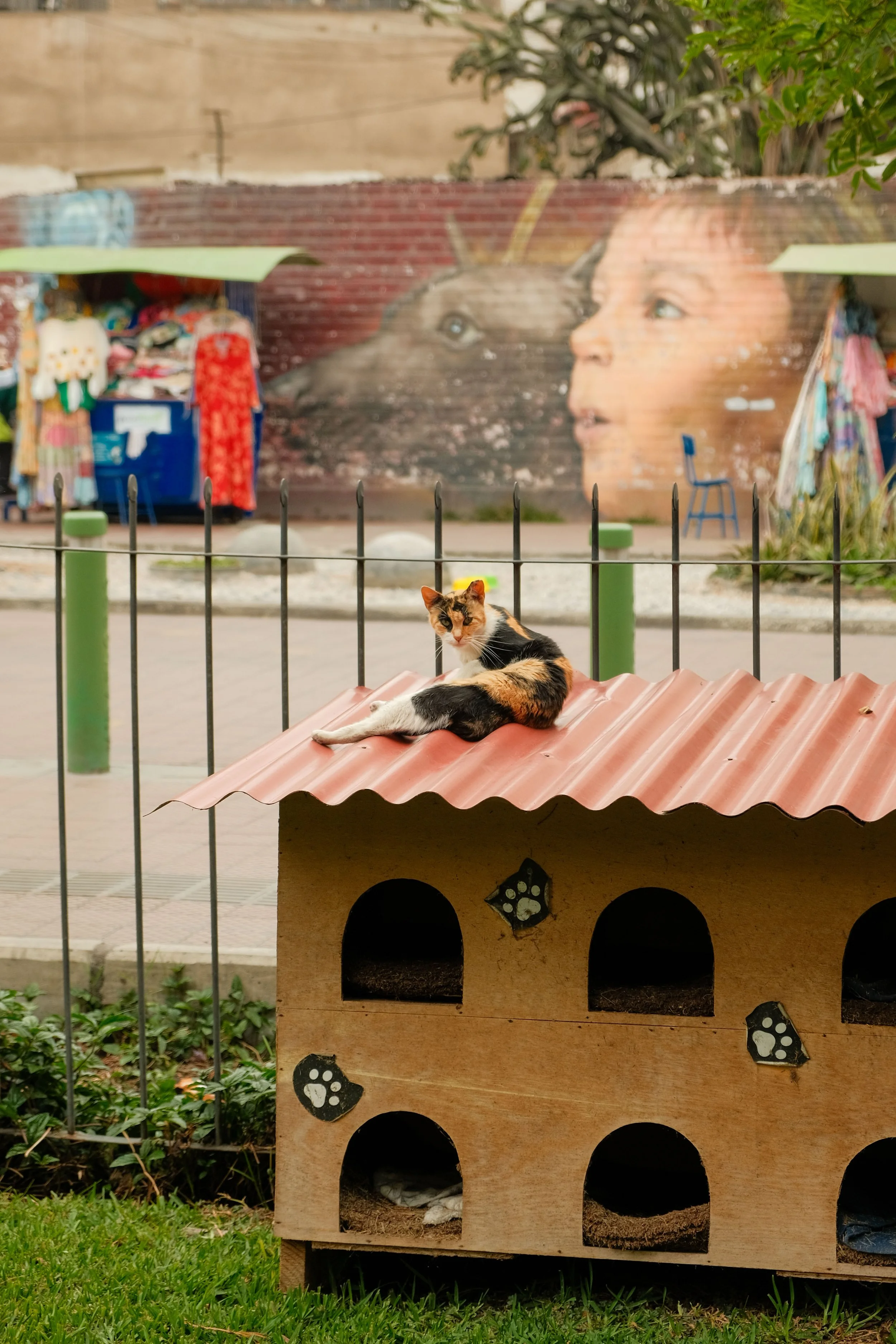
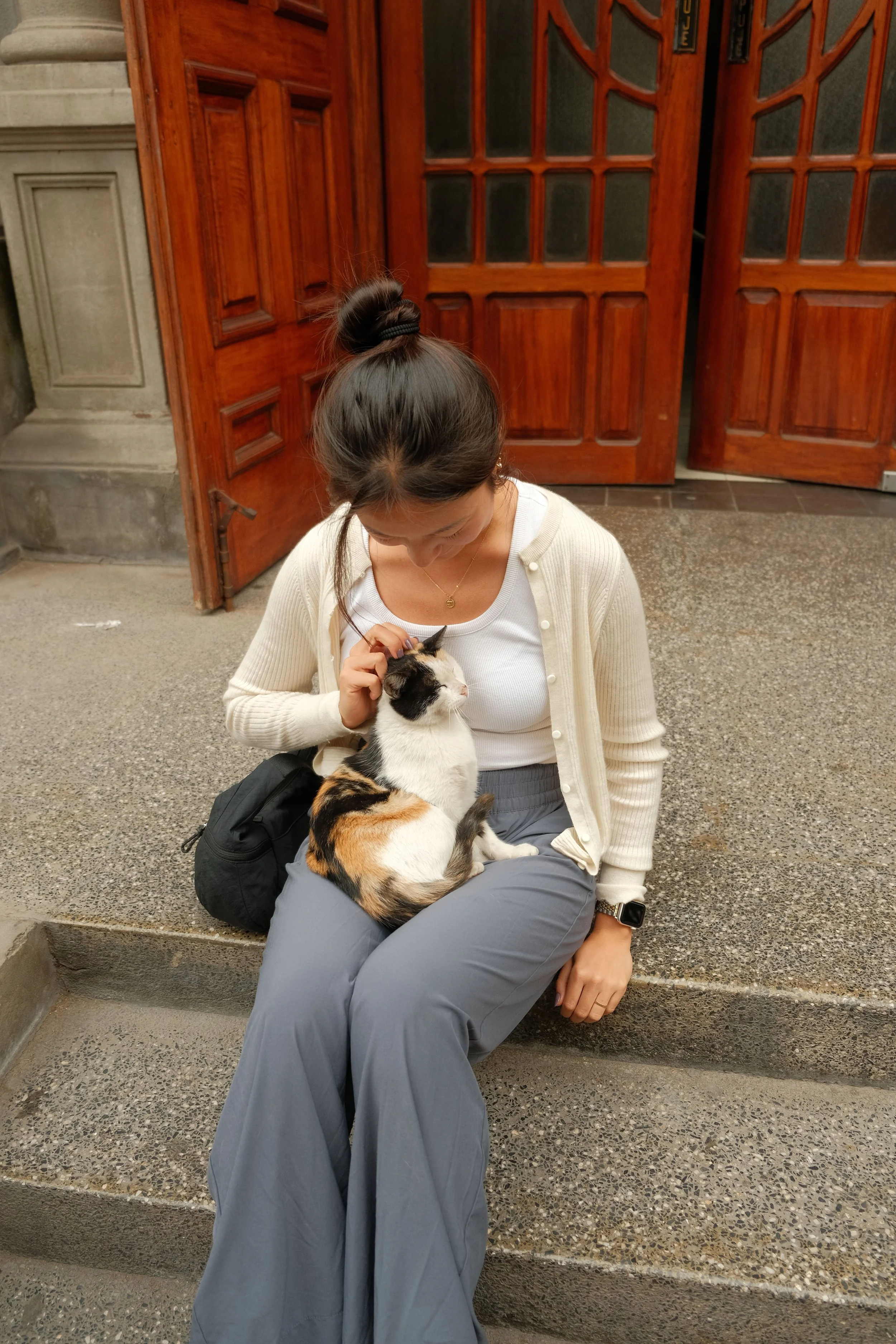
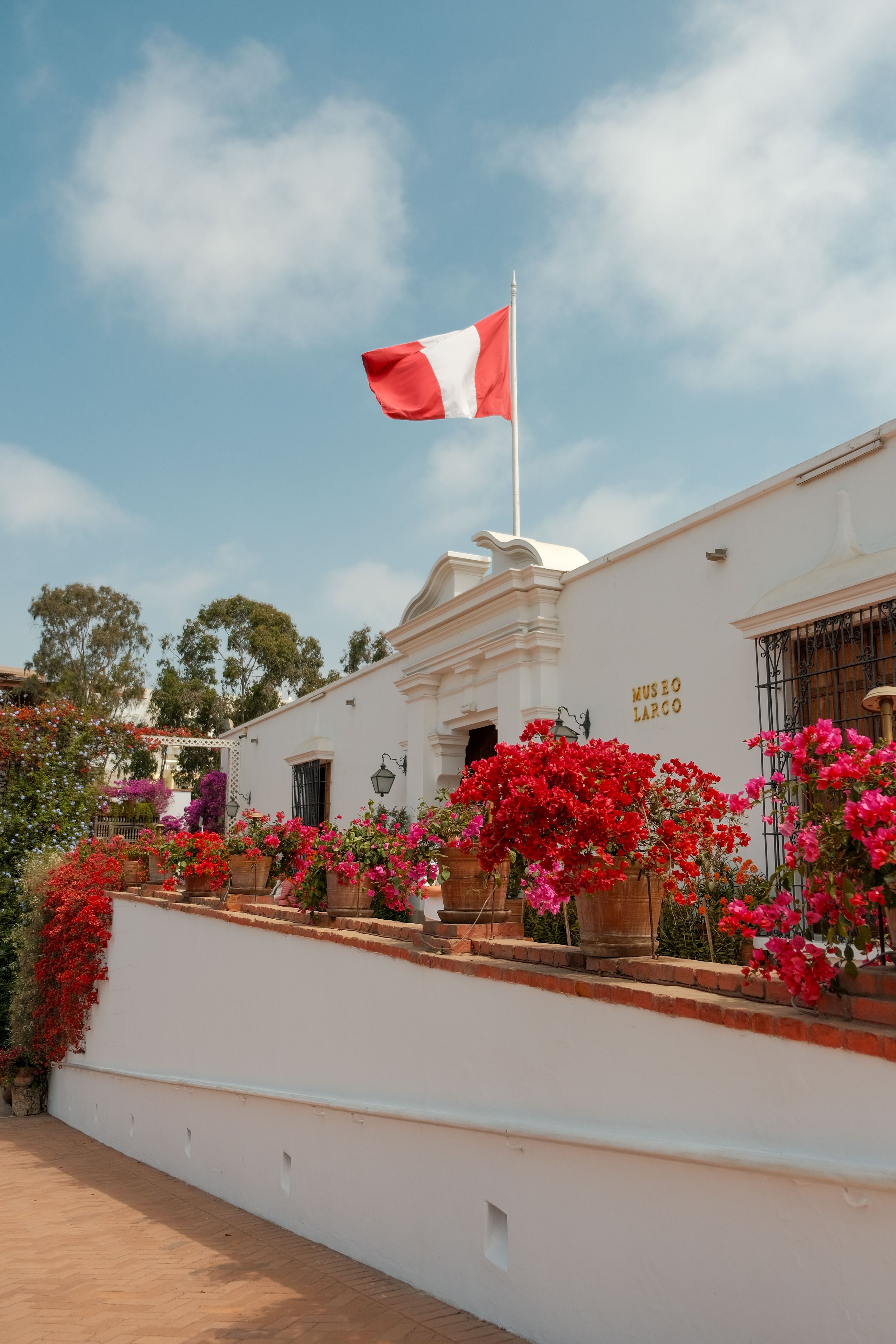
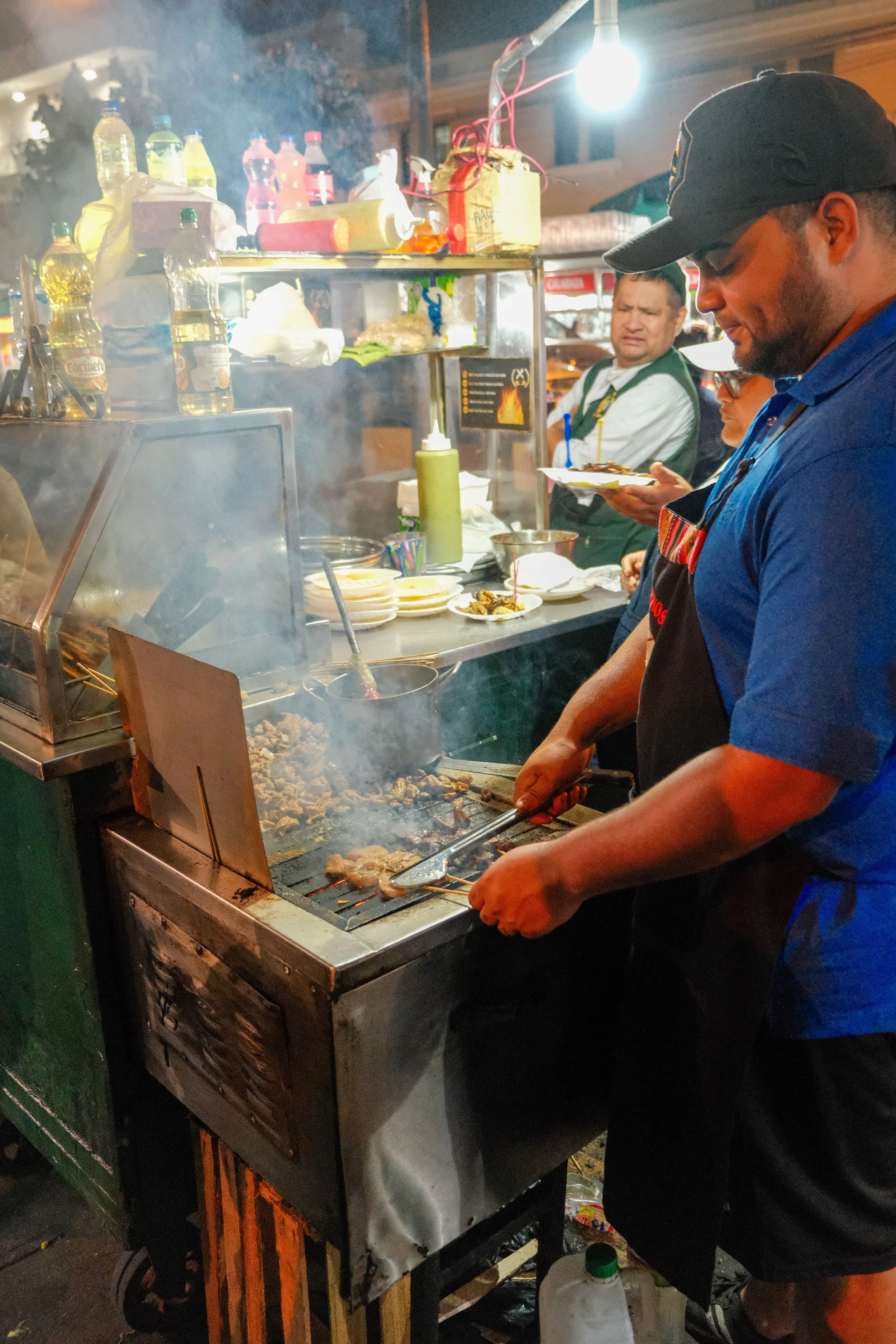
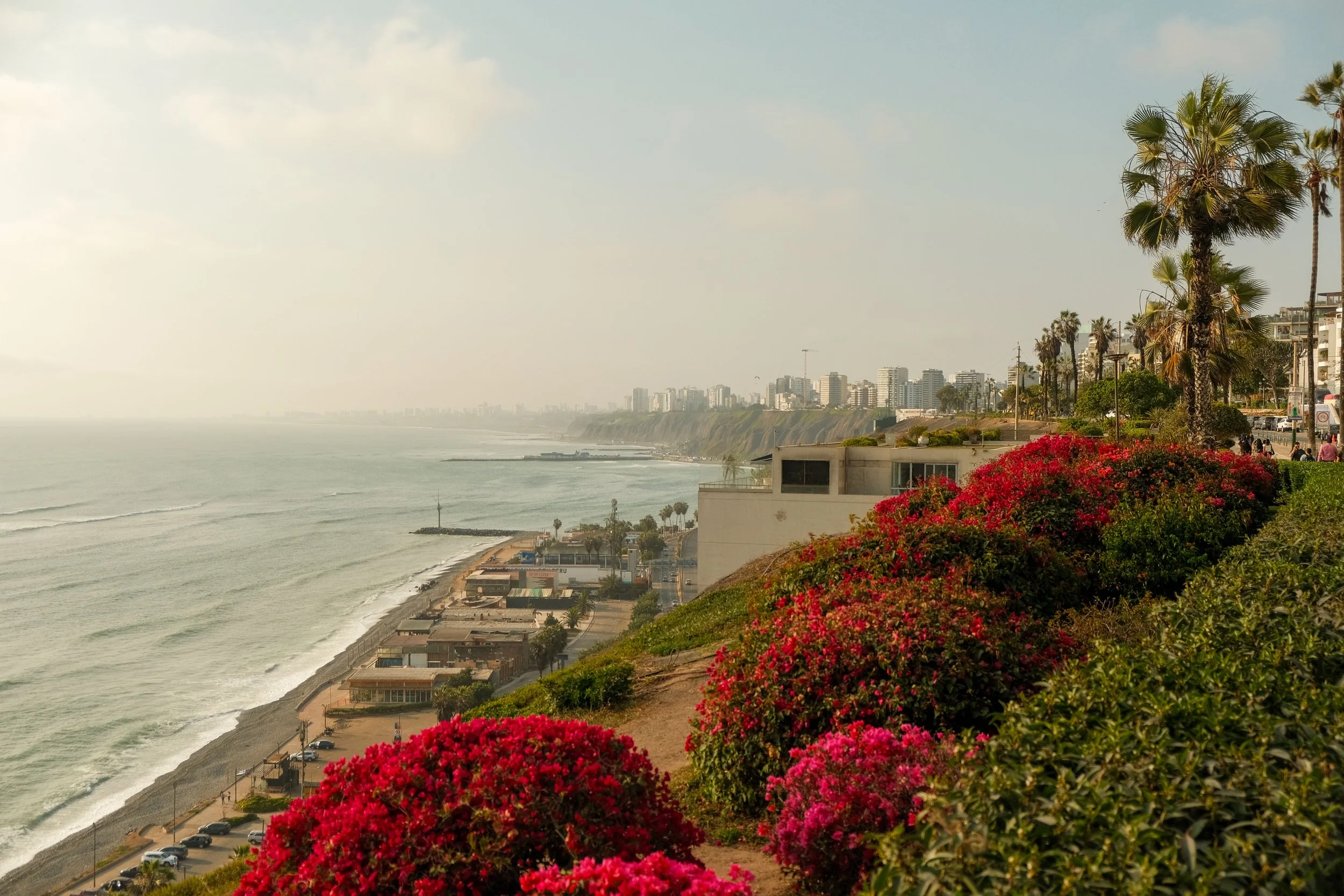
We landed in Lima last week and spent a couple of days easing into the city. Our first morning was spent wandering John F. Kennedy Park in Miraflores, a paradise for cat lovers like me. The park is home to dozens of free-roaming cats who lounge on benches, weave between food stalls, and nap in rose bushes. One even curled up on my lap and fell asleep for a solid ten minutes before I reluctantly had to get going. After a delicious lunch of pollo a la brasa (one of Hanqing’s favorite foods - if you know, you know), we admired ancient Peruvian art at the beautiful Larco Museum, which felt less like visiting a large national museum and more like spending a few peaceful hours inside an elegant historic home surrounded by lush gardens and fuchsia flowers - instantly calmer than the bustle of Lima. We wrapped up the day with a food tour through the historic center, trying everything from pan con chicharrón (crispy pork belly on a soft roll with sweet potato and a tangy onion salsa) to causa (a layered potato dish made with mashed potatoes and filled with chicken and avocado), to anticuchos (grilled beef heart skewers!) from a street food cart, plus a whole lineup of exotic Peruvian fruits. I was absolutely stuffed by the end, but everything we tasted was incredible.
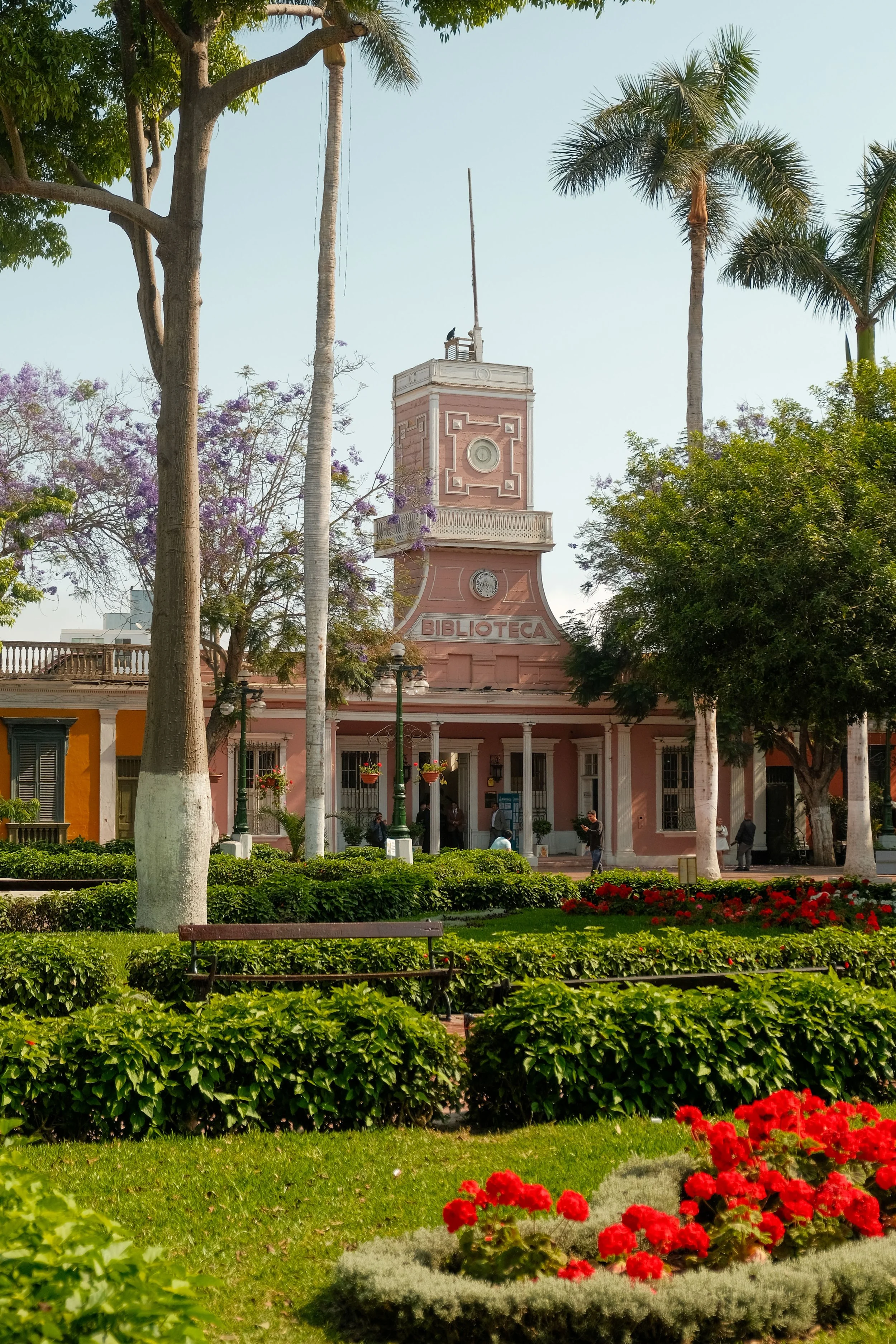
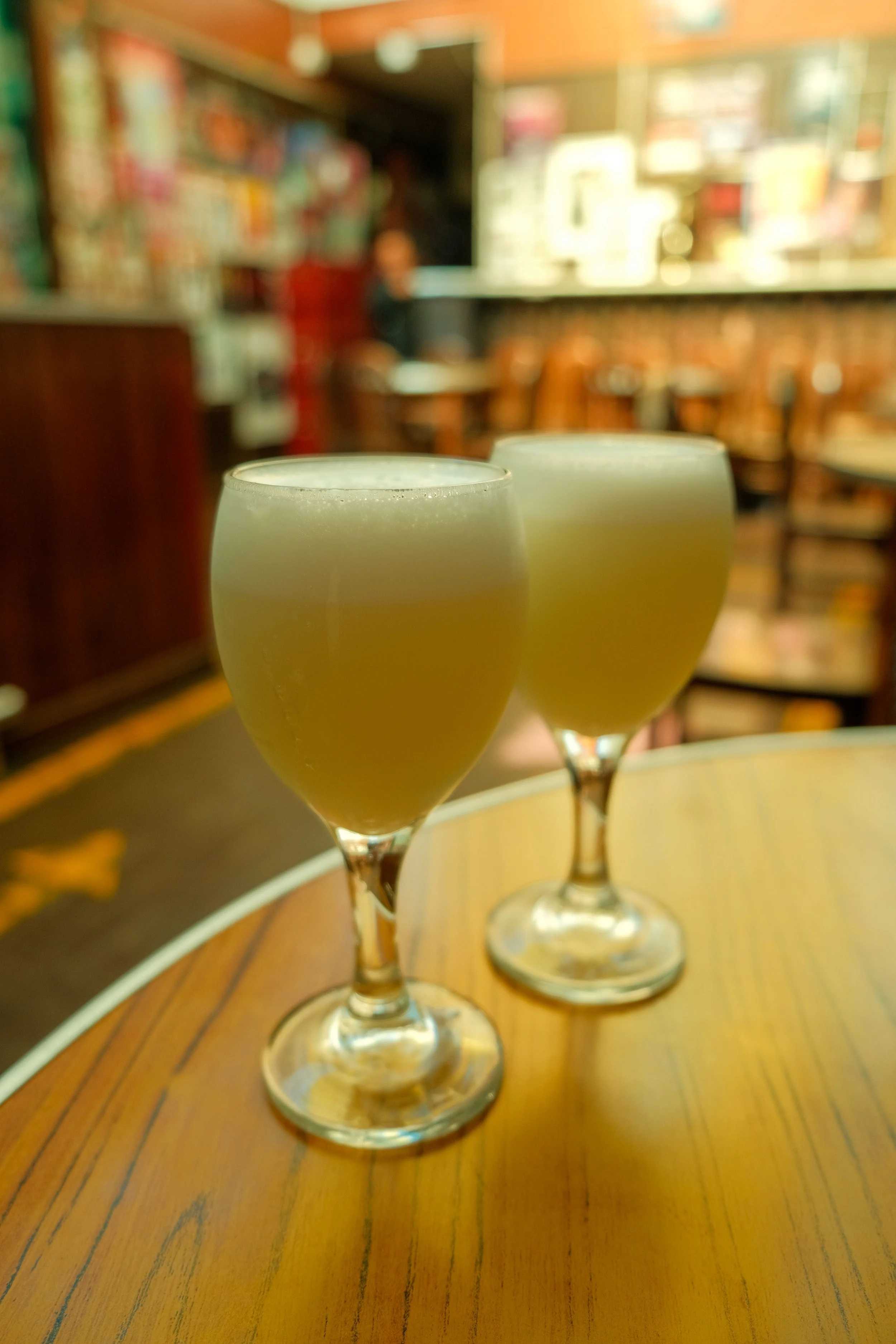
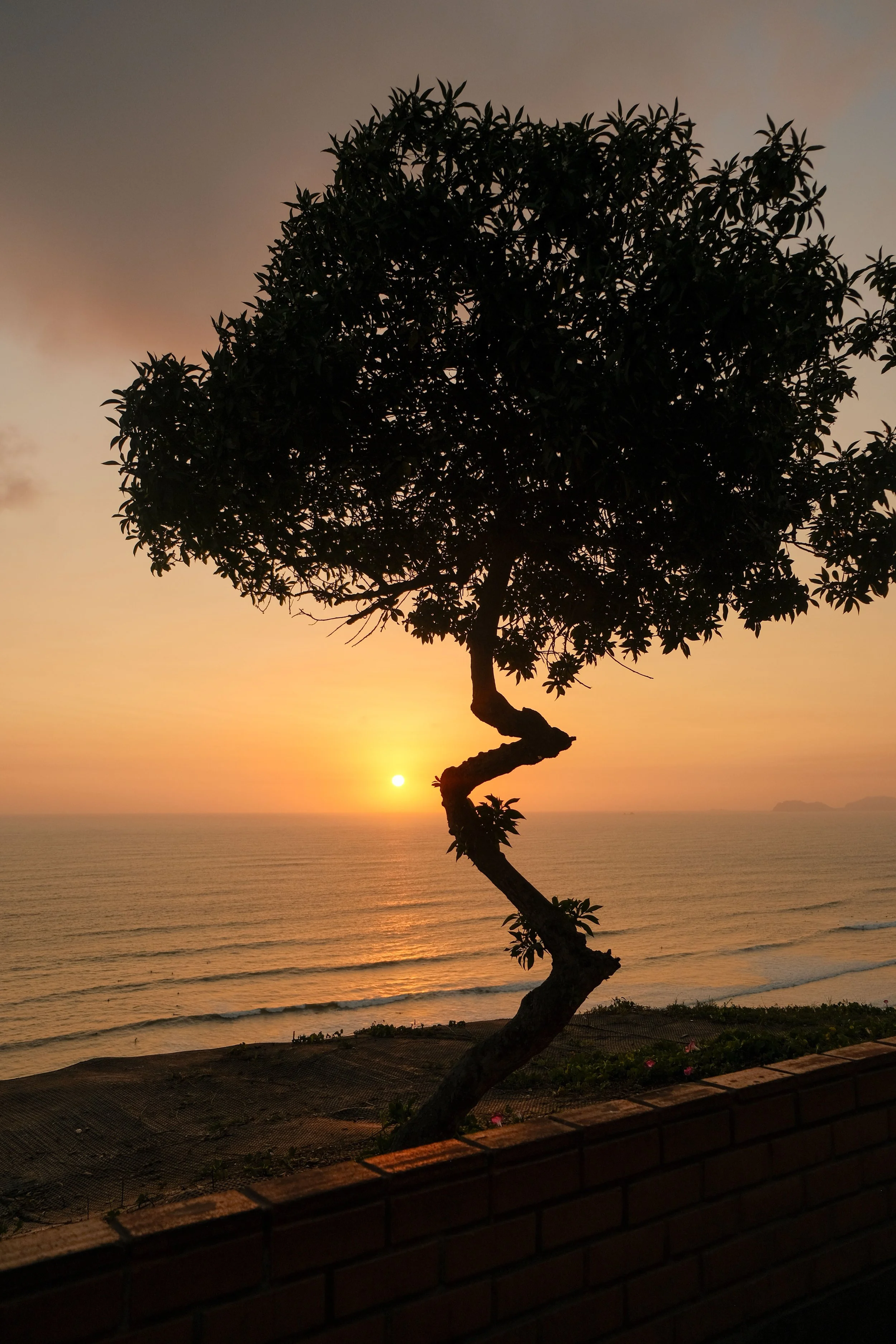
The next day, we explored Barranco, a colorful neighborhood famous for its street art, galleries, and cozy cafés. Following a recommendation from our food tour guide, we stopped by a small neighborhood bar and had the best pisco sours of the trip. After watching the sunset along the coast, we grabbed dinner at a great ceviche spot, where we happened to be seated next to another American couple. After chatting for a while, we discovered they were also from Maryland, not far from where I grew up. Small-world moments like that already feel special, but even more so when they secretly cover your entire bill and wish you well on your travels. It was one of those unexpected acts of kindness that sticks with you and inspires you to pay it forward.
After a couple of days in Lima, we flew to Cusco, the historic capital of the Inca Empire. The altitude here is no joke. Before we left the U.S., we picked up altitude medication but decided to skip it and see how our bodies naturally handled the 11,000 ft elevation. Everyone told us to drink coca tea (an herbal drink derived from the coca plant) to help with symptoms, and we’ve taken their advice to heart. The coca plant is famously used to produce cocaine, though the tea itself has no psychoactive effects. Whether it was the tea or a good old-fashioned placebo effect, we haven’t experienced any serious symptoms. Still, we can feel the altitude in small ways. Even the slightest of inclines has me huffing and puffing, and my Apple Watch informed me yesterday that my walking heart rate has been up nearly 20 bpm all week. It’s been humbling, to say the least.
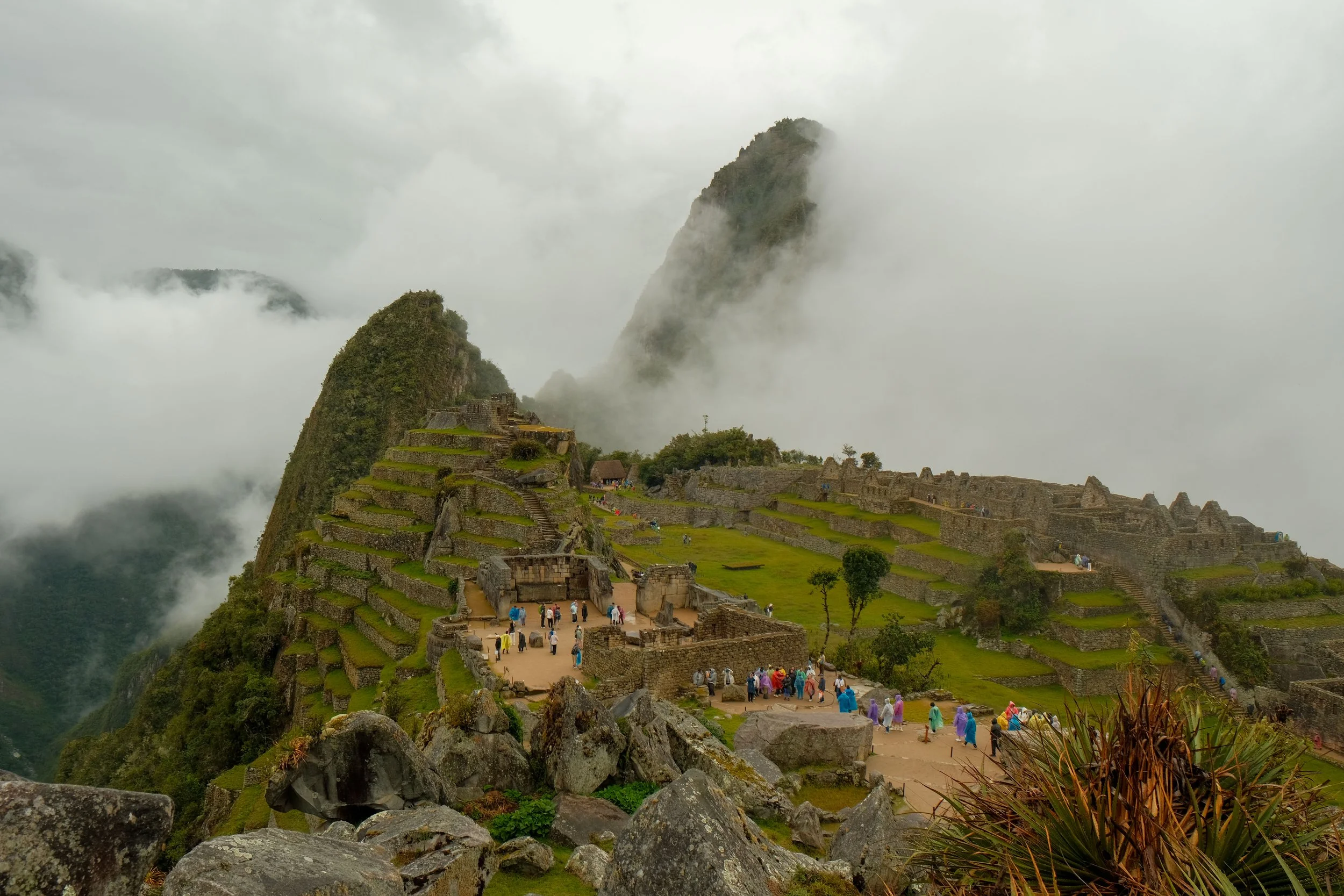
We spent the first half of our time in the Sacred Valley, staying in the charming town of Ollantaytambo and exploring nearby Inca sites. The main highlight, of course, was Machu Picchu. Getting there was a journey: a 1.5-hour train to the town of Aguas Calientes, a winding 30-minute bus ride up the mountain, and a short walk to the viewpoint. Just as we arrived in town, the skies opened up and it started pouring. We were pretty soaked by the time we reached the site, but once we saw it, none of that mattered. The view of the ancient citadel perched on the mountaintop was absolutely breathtaking. The passing fog made the whole scene even more dramatic - the mountains would disappear completely for a few minutes, then slowly reappear to reveal the city floating above the clouds. It felt otherworldly.
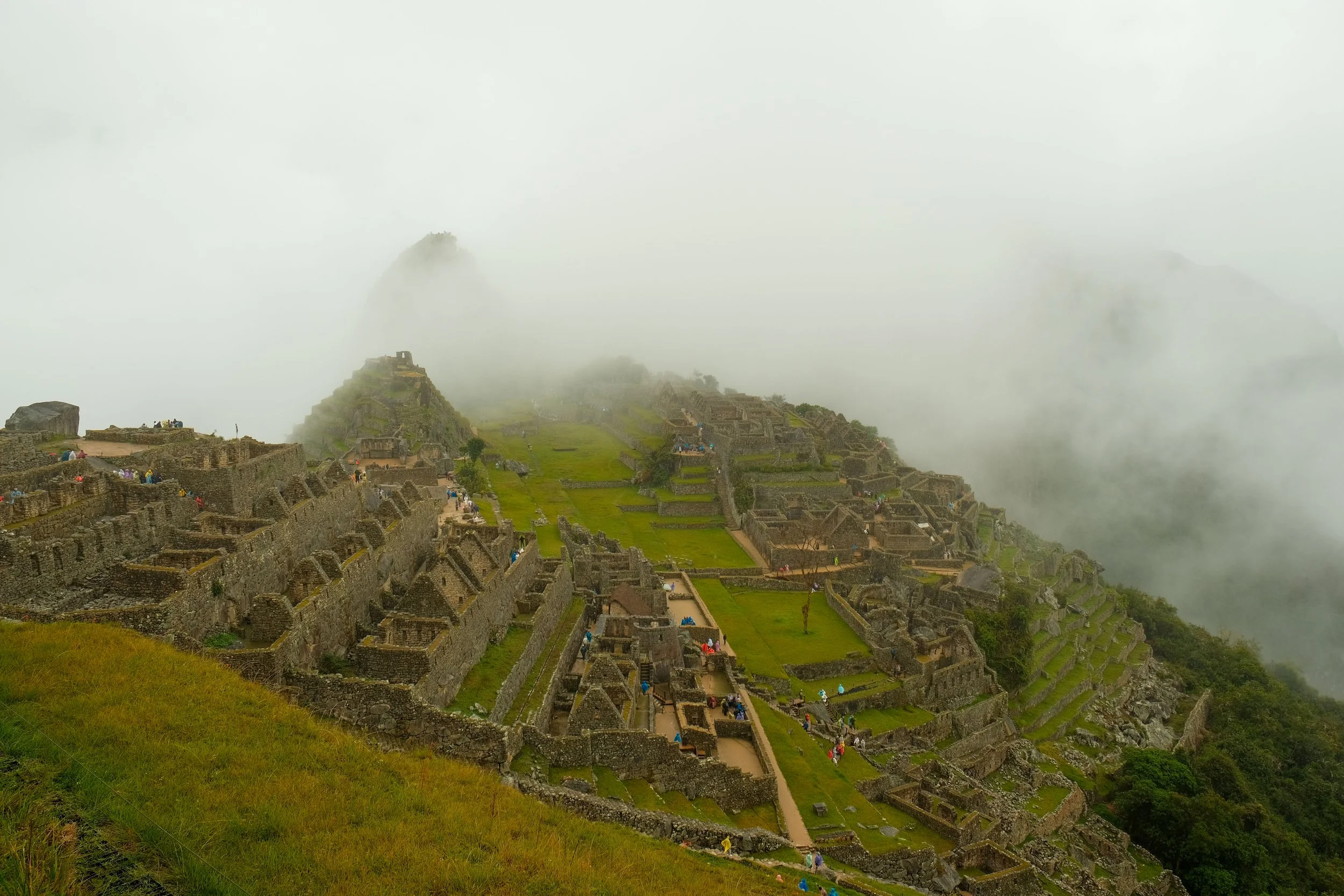
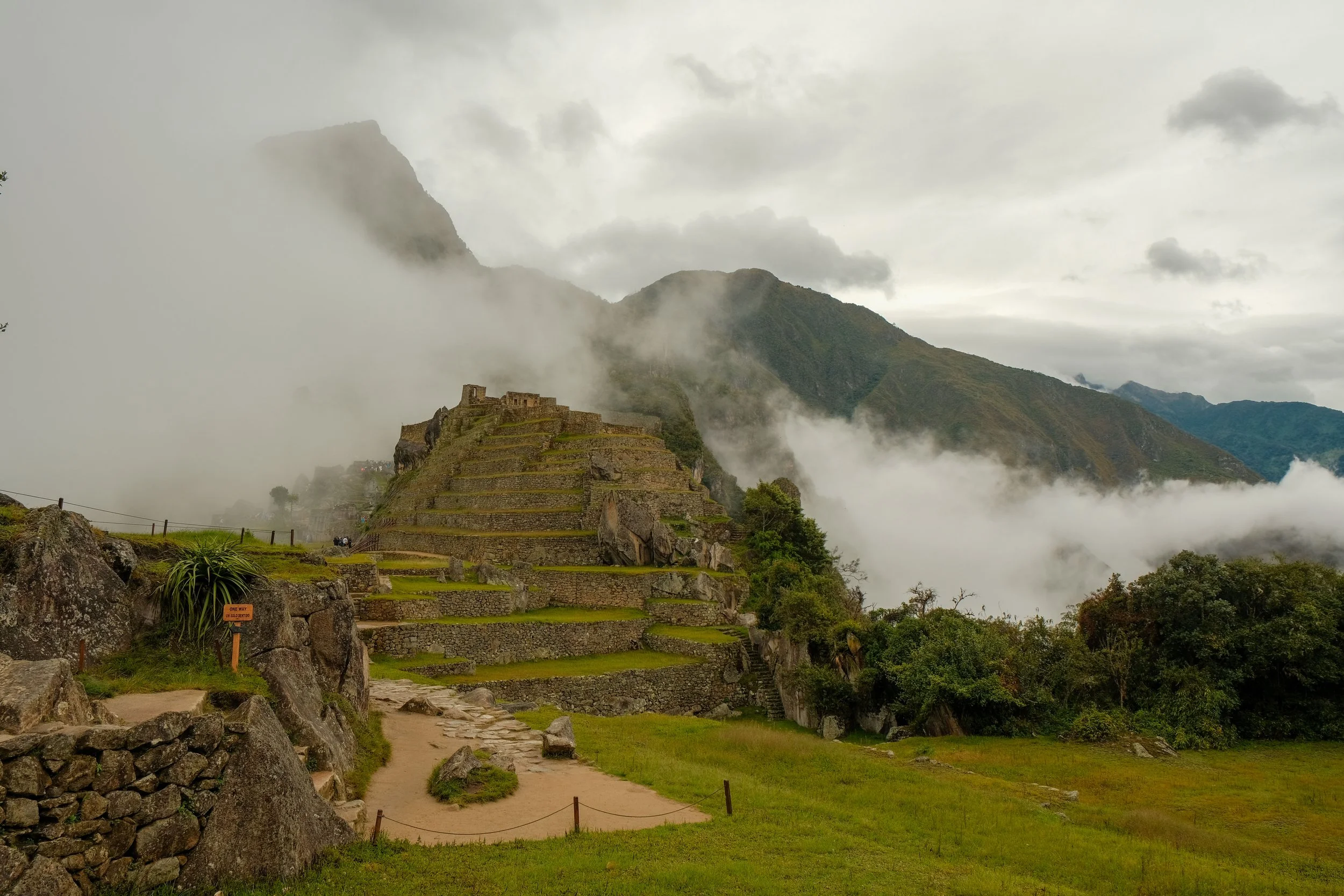
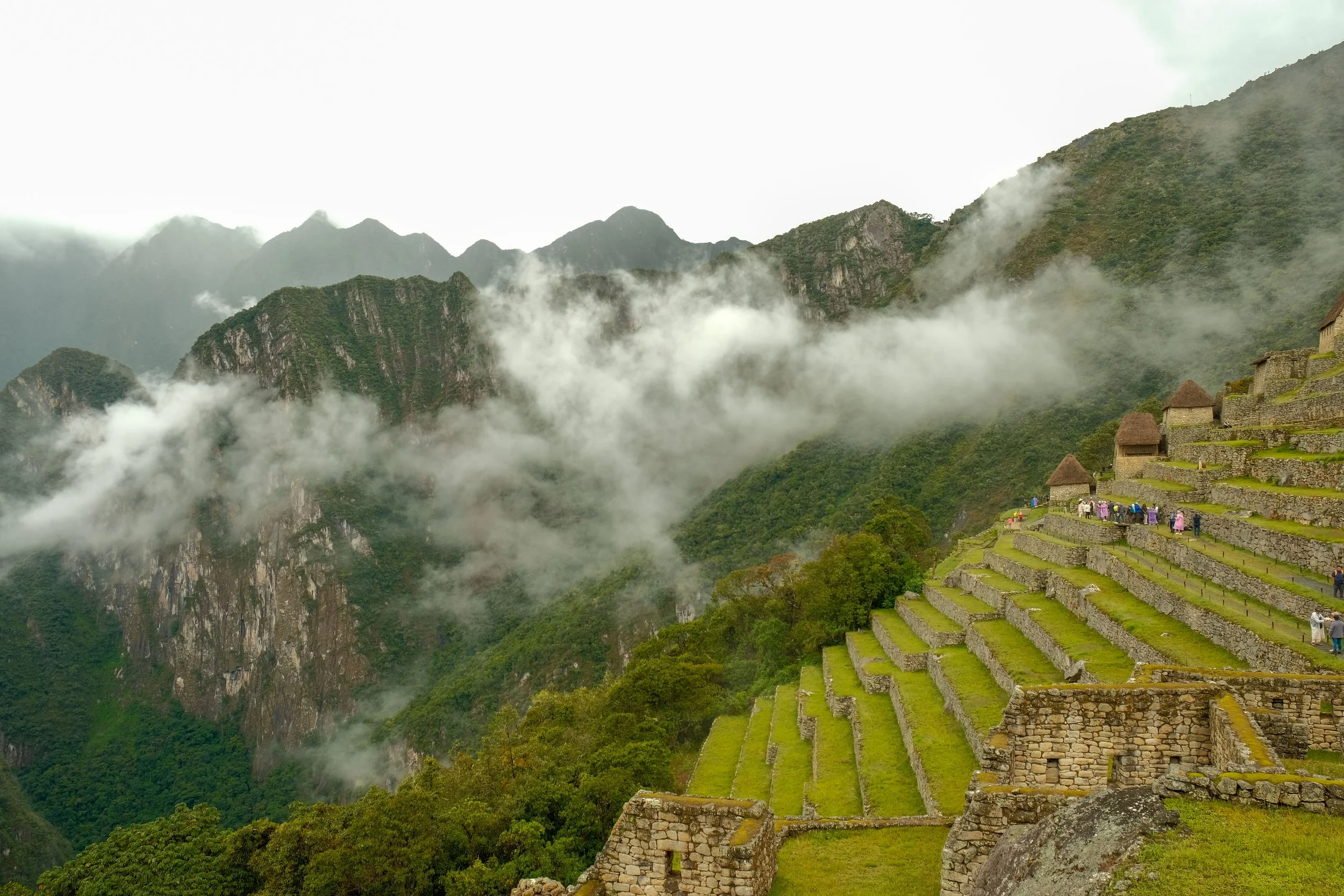
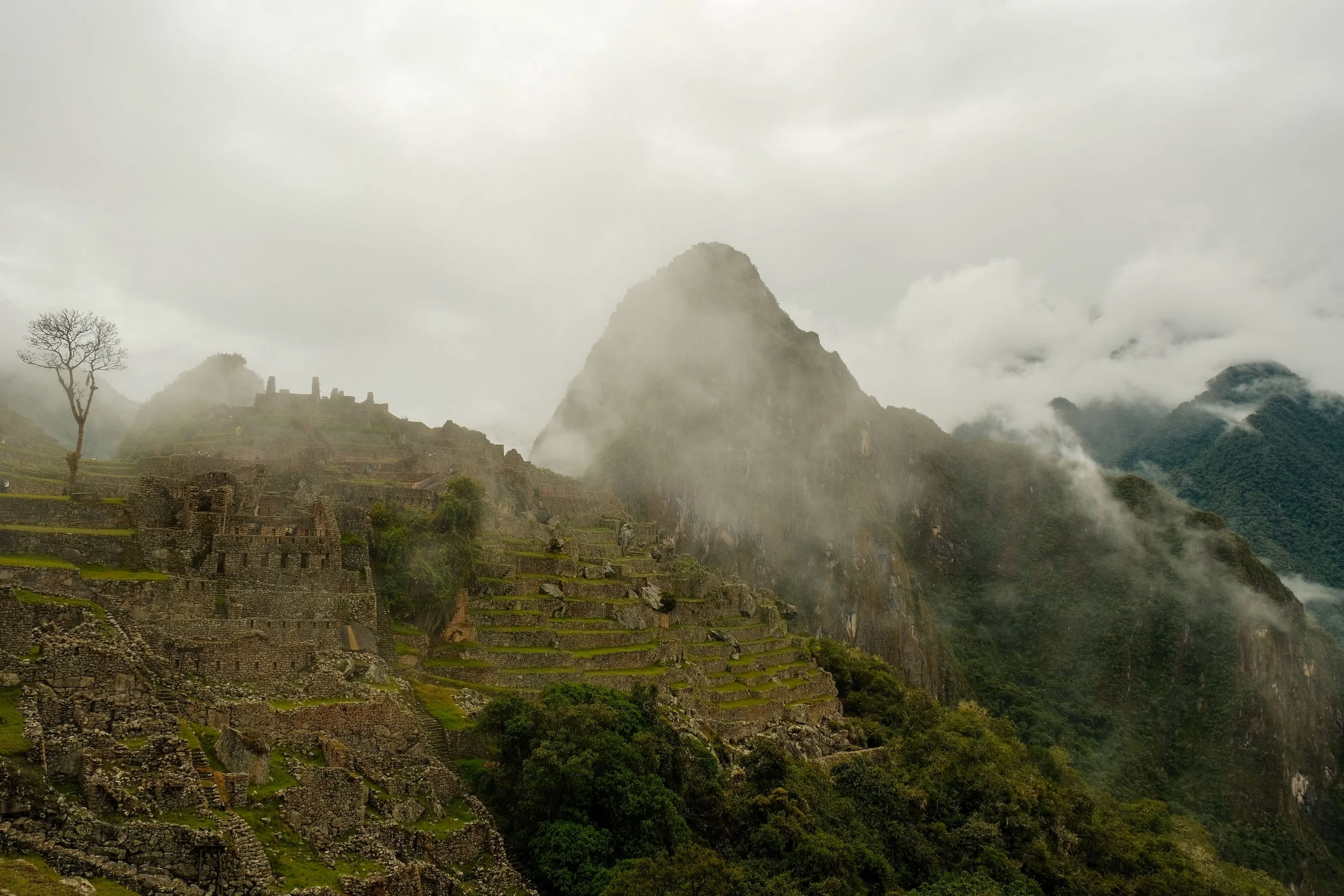
As we explored, our guide Roy shared its fascinating history. Built in the mid-1400s, it likely served as a royal estate or ceremonial site, though its exact purpose is still debated. It was abandoned around the time of the Spanish conquest in the 1500s but never discovered by the Spanish, which is part of why it’s so well preserved. Local families continued living and farming around it for centuries, so it was only “lost” to the outside world. In 1911, American explorer Hiram Bingham (a fellow Yalie!), guided by local residents, brought global attention to the site and began early archaeological work funded by Yale and National Geographic. Thanks to both those early efforts and modern conservation, Machu Picchu remains one of the world’s most iconic destinations and protected wonders.
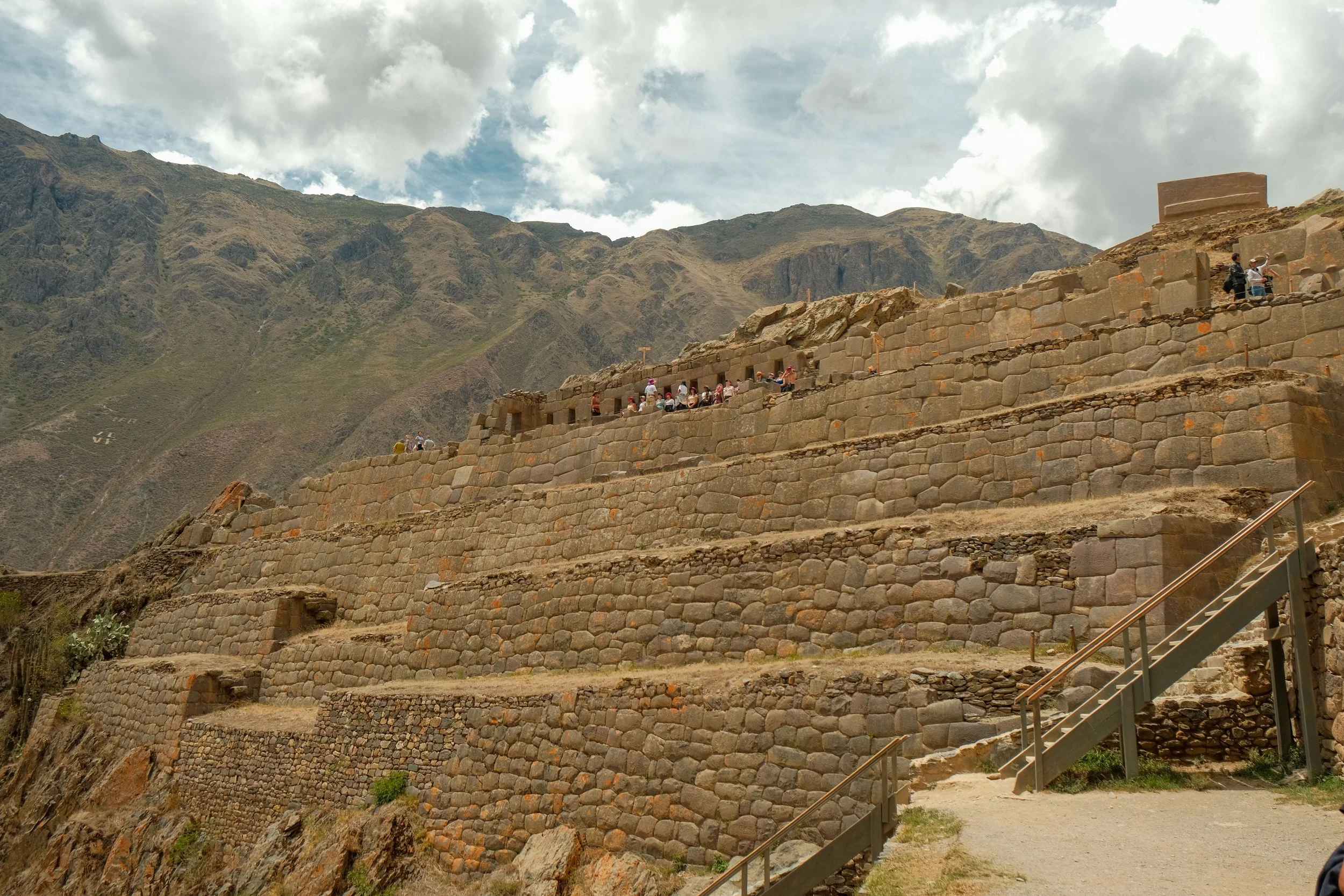
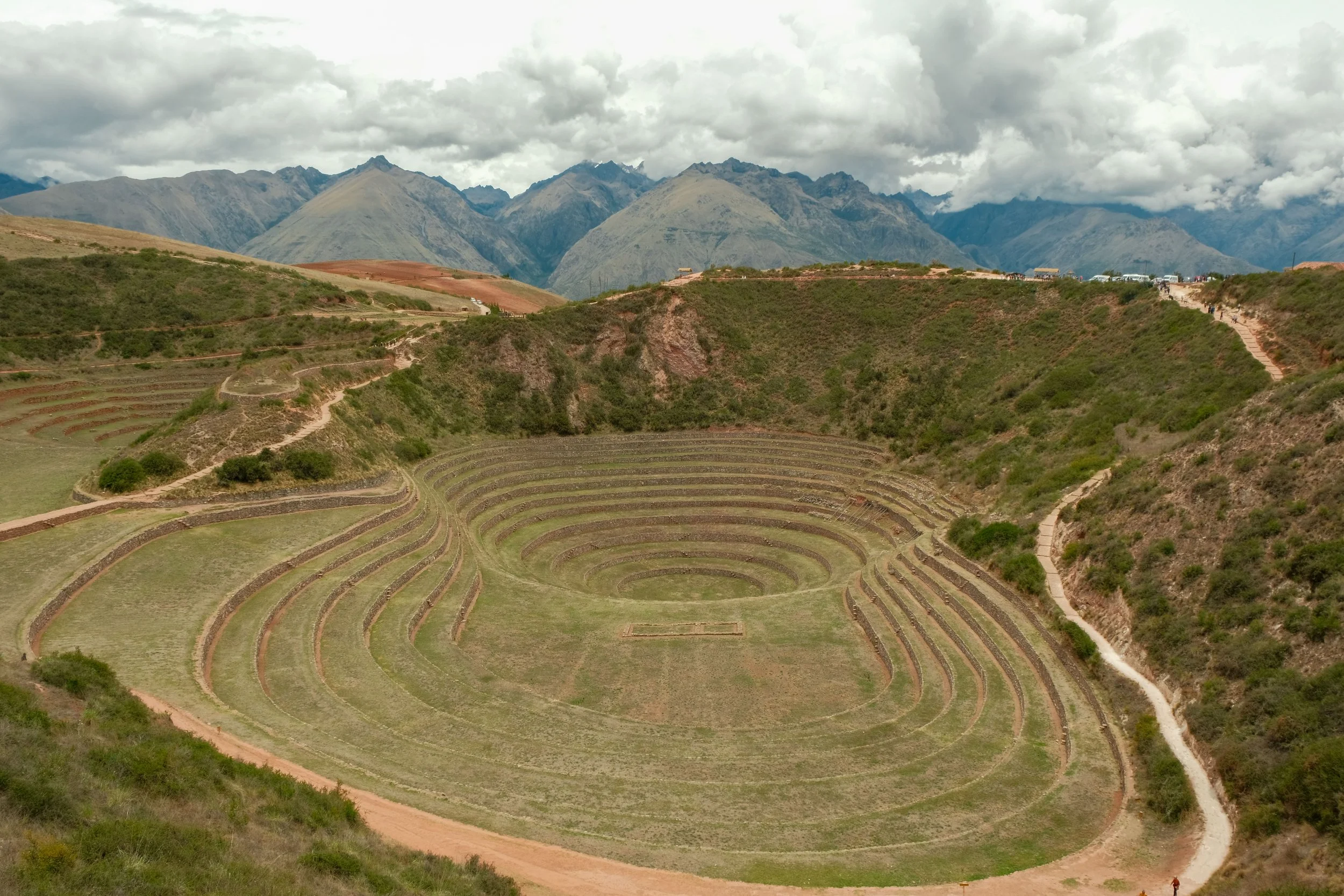
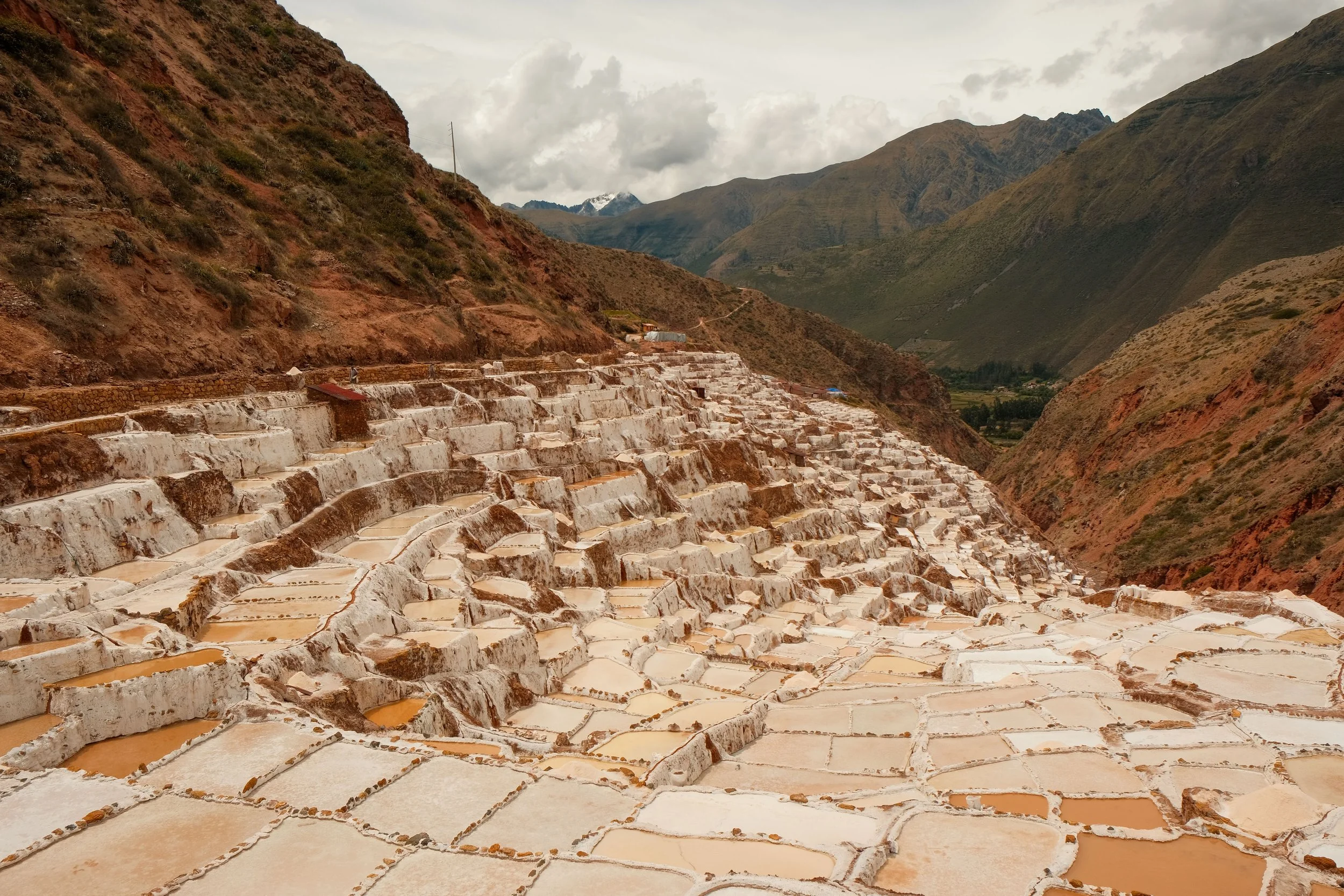
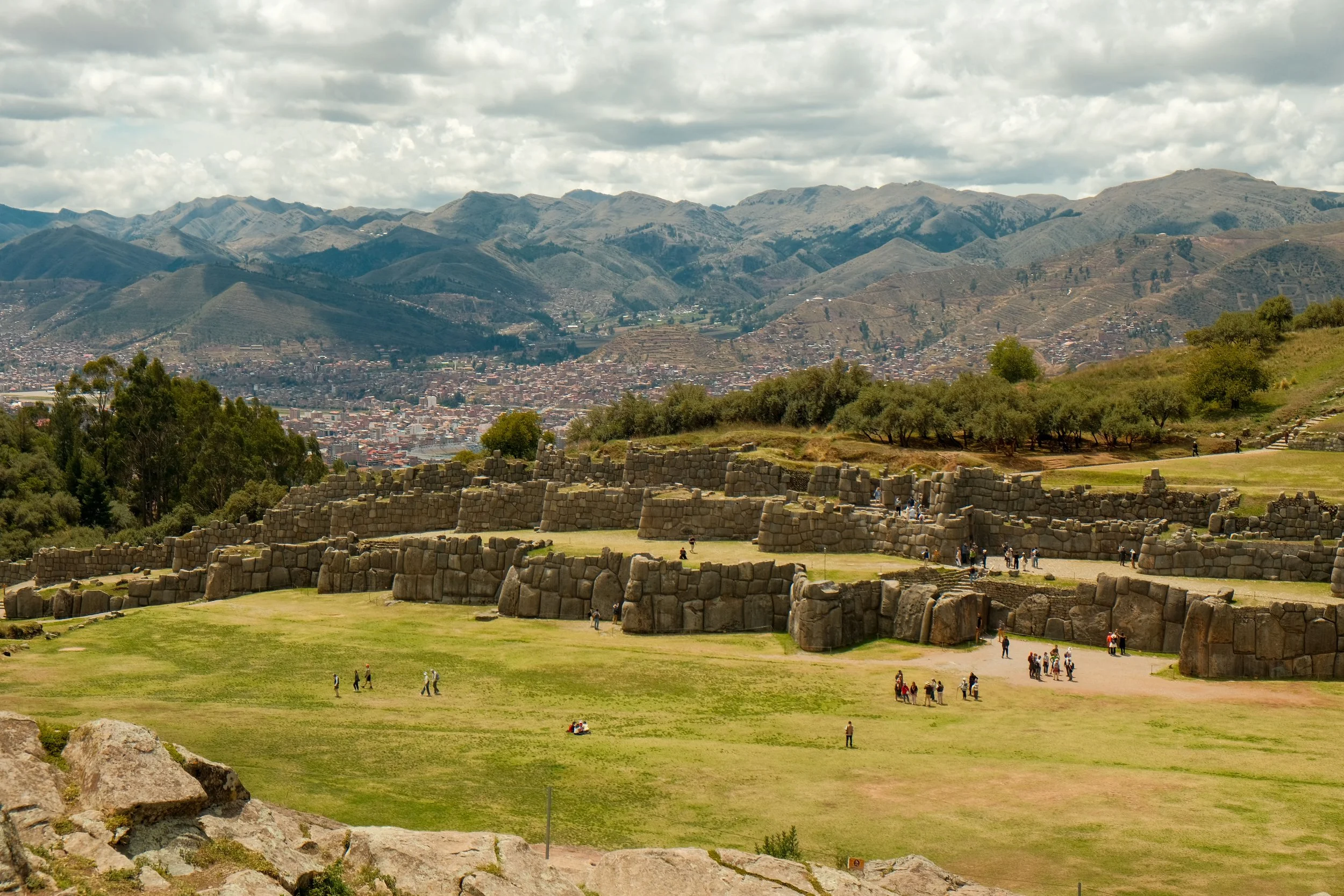
Beyond Machu Picchu, we visited several other impressive Inca sites across the Sacred Valley and Cusco: the Ollantaytambo ruins, Moray’s circular terraces, the Maras Salt Mines, Qorikancha, and Saqsaywaman. What struck me most at each stop was how advanced Inca engineering was. Their hallmark technique was dry-stone masonry, featuring massive, precisely cut stones fitted together without mortar. Without iron tools, wheels, or horses, they moved enormous stones (some weighing upwards of 100 tons) using ramps, levers, and ropes. After the Spanish arrived in the 1500s, many Inca temples and palaces were destroyed or built over with churches and colonial buildings. Ironically, the colonial structures suffered earthquake damage centuries later while the original Inca foundations beneath them remained intact - a testament to the Incas’ skillful engineering.
Throughout our tours, we also learned that the main Indigenous language of the Inca Empire, Quechua, survived centuries of suppression and is still widely spoken in the Andes today. Every one of our Sacred Valley and Cusco guides spoke Quechua as their first language, and one of them explained that it helps them connect with local communities and navigate the region with ease.
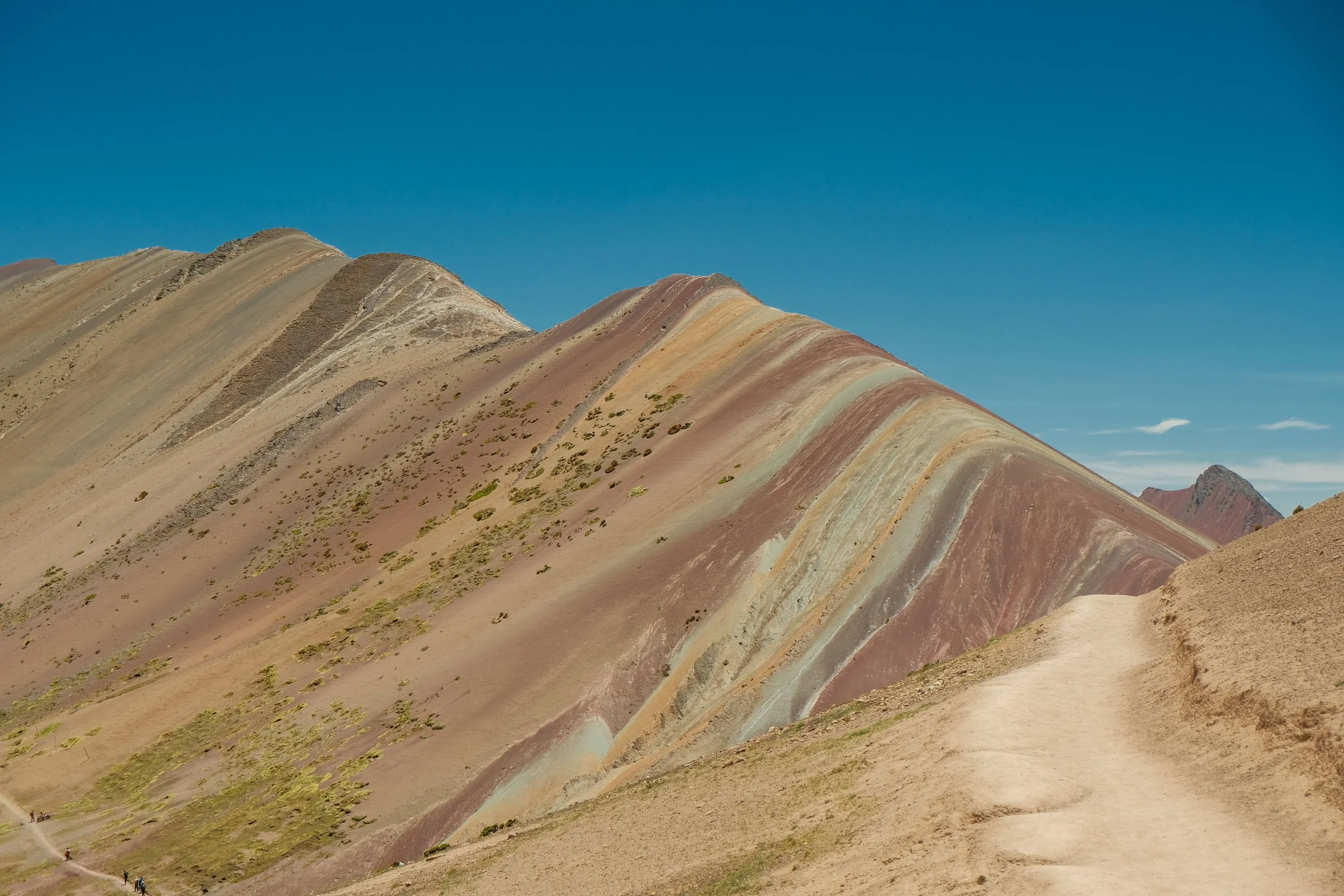
After nearly a week of acclimating, we took a day trip to Rainbow Mountain, a vividly striped peak with bands of red, yellow, green, and turquoise created by layers of mineral-rich sediment exposed as glaciers retreated. It sits at a staggering ~5,200 m (17,060 ft), the highest elevation I’ve ever reached. The 5 a.m. wake-up call and three hour bus ride were rough, but worth it for the perfect weather we got. Just a week earlier, the mountain had been completely covered in snow, so we felt lucky to see it on a clear day. We rode ATVs up most of the way, which was not only a blast but also spared us a strenuous high-altitude hike.
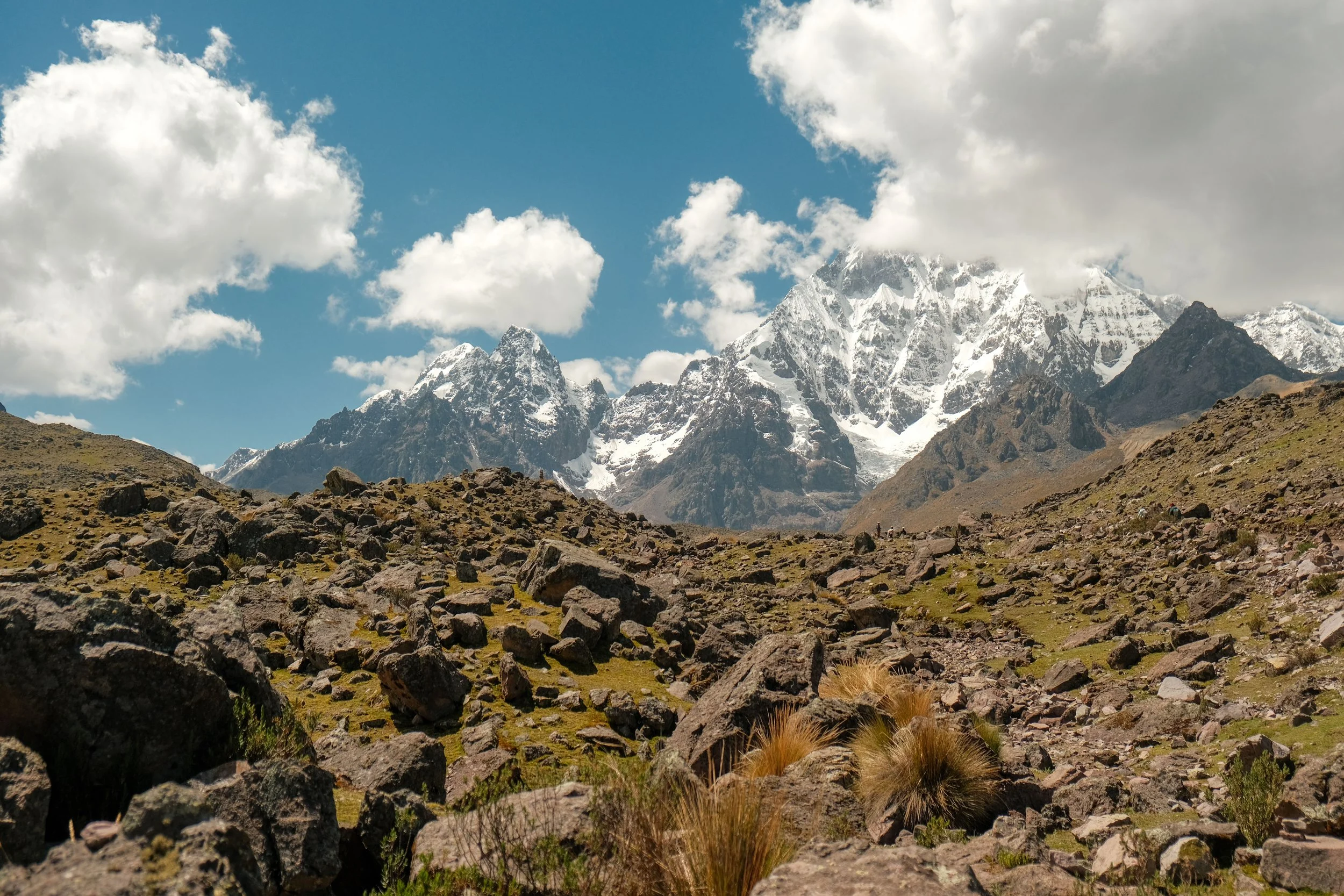
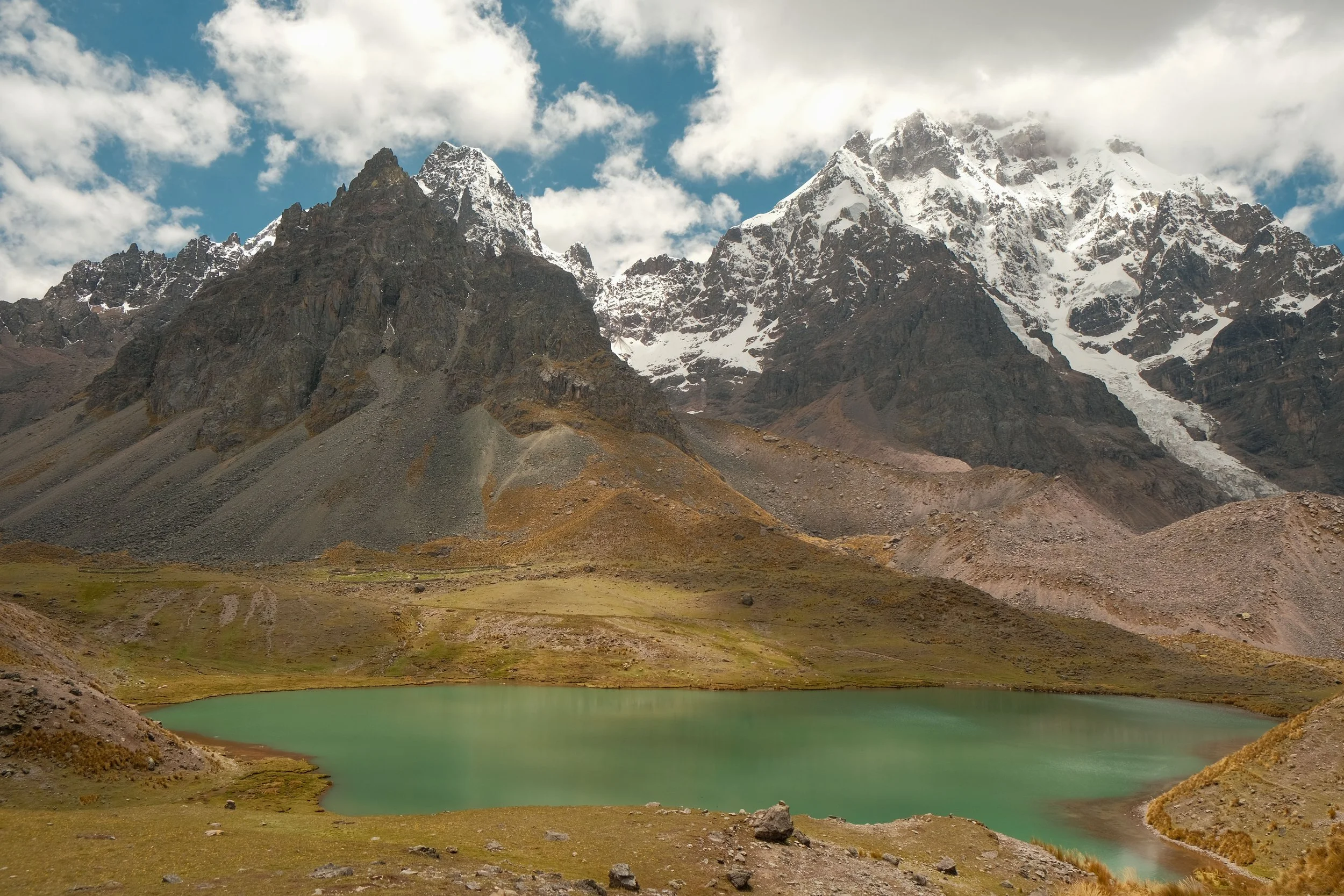
The next morning, we were up even earlier for a day trip to the Seven Lakes of Ausangate, a high-altitude circuit of brilliant turquoise and emerald lakes at the base of one of the region’s most sacred mountains. Our guide explained that Mount Ausangate is closely tied to the Quechuan belief in reciprocity with Pachamama, or Mother Earth: people care for the land, and she provides food, health, and balance in return. People honor this relationship with offerings of food and alcohol, including blowing three coca leaves toward the mountain - a gesture of gratitude for the land that sustains them. We hiked past herds of llamas and alpacas and were rewarded with sweeping views of the massive glacier and seven lakes, each a different color depending on minerals and light. Maybe it was the week spent learning about Quechuan traditions, or the approaching Thanksgiving holiday, but standing on a hillside overlooking that landscape, it was hard not to feel a deep sense of gratitude for Pachamama and this beautiful earth.
Hope you all have a great Thanksgiving holiday wherever you’re celebrating!
Talk soon,
Tanya
